

Saving endangered animals starts with understanding how conservation works and the real efforts helping these three species survive.
Saving endangered animals can feel overwhelming, especially when headlines focus on what’s disappearing instead of what’s being done. But conservation is not just about loss—it’s about action, science, and steady progress. In this excerpt from Hear Them Roar by June Smalls, we explore how endangerment levels work, how conservation efforts make a difference, and three remarkable species that show how saving endangered animals truly happens one step at a time.
3 Endangered Animals We’re Working to Save
All around the world, animals are suited to the specific habitat in which they live. Unfortunately, some animals that once thrived are now in danger of becoming extinct. The International Union for Conservation of Nature (IUCN) classifies animals into groups based on their risk level. This list is known as the Red List of Threatened Species.
The groups are:
- Least Concern—The species population is widespread and plentiful.
- Near Threatened—A species that is likely to qualify for a threatened category in the near future.
- Vulnerable—A species whose population has declined by almost 50 percent.
- Endangered—A species whose population has declined by almost 75 percent.
- Critically Endangered—A species whose population has almost completely disappeared.
- Extinct in the Wild—A species that only survives in captivity, such as zoos, or well outside its natural range. This classification occurs when an animal hasn’t been found in its native habitat for many years.
- Extinct—A species where there is no reasonable doubt that all remaining individuals have died.
Human activity is the primary reason for modern animal extinction.
Humans cause habitat loss by clearing wilderness for buildings or for farming. We also hunt for food, for trophies, or to rid ourselves of “pests.” Even animals that we keep as pets can disrupt natural habitats.
Animals that do not normally belong in an area are called invasive species. They are introduced when pets are lost or released into the wild. Small animals like rats can also stow away on ships and in cargo and disrupt an area’s natural balance when they arrive at new ports.
Some animals are also in danger from being used in traditional medicine. This means the animals are killed because people believe that some part of that animal will improve the health of humans.
Many people—from grownups (like scientists, lawmakers, and volunteers) to kids—are working to help save these animals from extinction. They are cleaning and protecting land, breeding animals for release in the wild, stopping illegal hunters (known as poachers), and educating others about the needs and benefits of each animal.
Even small actions—such as making sure you never litter or never buy items that come from endangered animals, like ivory—can go a long way toward protecting animals.
1. Black-Footed Ferret
Quick Facts
- The black-footed ferret is an ENDANGERED mammal found in mid-western North America.
- They are the only ferrets native to North America.
Once thought to be extinct, a small group of black-footed ferrets was discovered in 1981. Those eighteen individuals were captured and put into a breeding program. The US Fish and Wildlife Service, along with a select group of zoos, has helped use these programs to bring the black-footed ferret back from the edge of extinction. Maintaining healthy habitats and a healthy prairie dog population is also important to the black-footed ferrets’ survival.
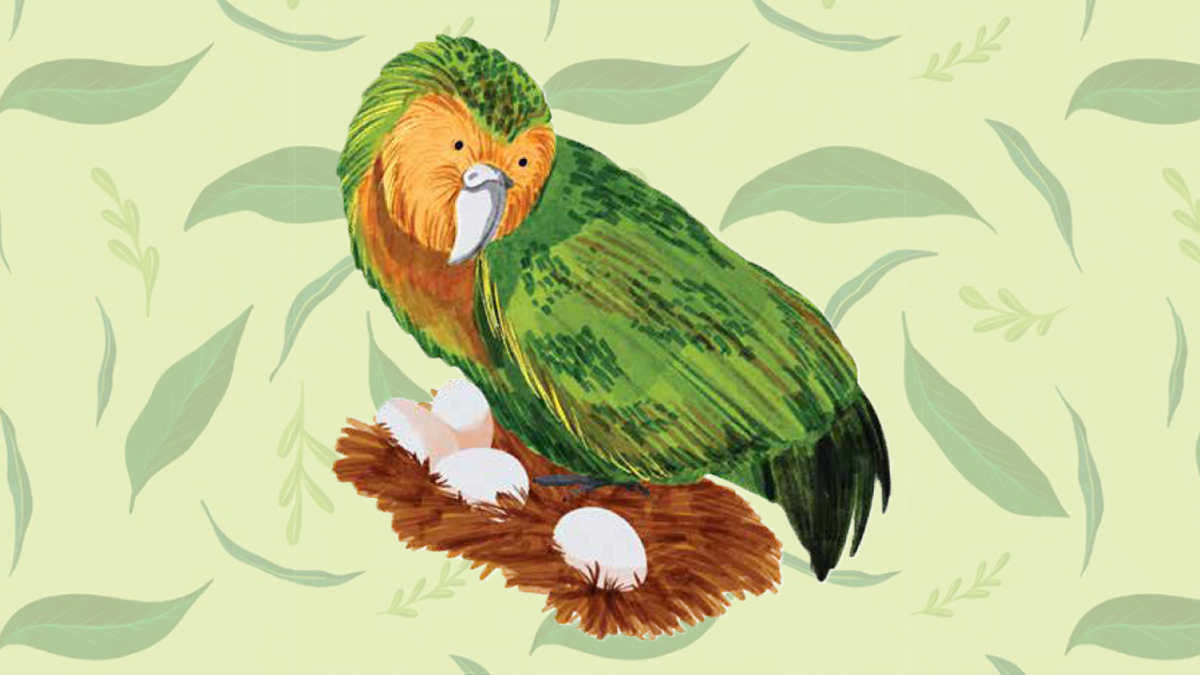
2. Kākāpō
Quick Facts
- The kākāpō is a CRITICALLY ENDANGERED bird found in the forests of New Zealand.
- This large bird may have wings, but the kākāpō is the world’s only flightless parrot.
Scientists, rangers, and volunteers work to help these birds thrive in many ways. The most important is filling feeding stations because the kākāpōs need plenty of food to be healthy enough to breed. These people also help control the predator population around the island.
Chicks that the mother cannot care for are hand-raised. These hand-raised chicks are returned to the wild at about four months old. In 2019, for the first time in seventy years, the wild kākāpō population reached over two hundred birds!
3. Asian Elephant
Quick Facts
- The Asian elephant is an ENDANGERED mammal found in the forests and grasslands of Asia.
- Asian elephants can swim and run up to fifteen miles per hour, but they cannot jump.
Elephants are hunted for their ivory tusks. They are also captured in the wild for use in tourist attractions. “Breaking” an elephant, or making it behave on command, is often cruel and involves using fear to make it obey.
Patrol units catch poachers, which helps save elephant lives. Conservation groups work with locals to find ways to reduce human-elephant conflict (such as elephants eating farmers’ crops), educate tourists so they do not support businesses that harm these endangered animals, and protect and restore the elephant’s habitat.
Discover More Ways Humans Are Saving Endangered Animals

Hear Them Roar
Excerpt from Hear Them Roar by June Smalls.