


Rebuild strength, boost energy, and feel like yourself again with a gentle postnatal workout plan that grows with you. Let’s get moving, Mama!
Welcoming a baby into the world is a beautiful and life-changing experience, but it also comes with a lot of physical and emotional changes. Your body has just done an incredible thing, and now you might be wondering how to feel more like you again. Enter the postnatal workout! Whether you’re a seasoned fitness enthusiast or you’re just starting out, finding a gentle and enjoyable workout routine after having a baby can be a fantastic way to rebuild strength, boost your mood, and carve out a little time for yourself.
Why Postnatal Workout Is Important
After pregnancy, your body goes through major changes, and giving it a little extra care can help you recover faster and feel better. Here are some reasons why a postnatal workout is beneficial:
1. Rebuilds Strength
During pregnancy, your body stretches and changes in ways you probably never imagined. Postnatal workouts help rebuild muscle strength, especially in your core, pelvic floor, and back, which are essential for daily tasks like lifting your baby, pushing a stroller, and carrying diaper bags.
2. Boosts Energy
Having a newborn can mean little sleep and a lot of fatigue, but regular exercise can actually increase your energy levels. It might seem counterintuitive, but a good workout releases endorphins, your body’s feel-good chemicals, and helps fight off that tiredness.
3. Improves Mental Health
Your emotional well-being is just as important as your physical health, and postnatal workouts can have a positive impact on your mental state. Exercise can reduce symptoms of postpartum depression, anxiety, and stress by boosting mood and improving self-esteem.
4. Supports Postpartum Recovery
A gentle workout routine helps your body heal. Postnatal exercises can assist in reducing swelling, improving circulation, and gradually restoring your body’s pre-pregnancy condition. It also encourages healthy weight loss if that’s one of your goals, all while respecting the changes your body has gone through.
Things to Consider
Before jumping into a postnatal workout routine, there are a few things to keep in mind to ensure you’re doing what’s best for your body.
1. Get the All-Clear From Your Doctor
Every woman’s postpartum recovery is different, so it’s important to check in with your healthcare provider before starting any workout. Usually, it’s safe to begin a few days after giving birth, but this can vary depending on your delivery and recovery. If you’ve had a C-section or a complicated pregnancy, you may need more time to heal before exercising.
2. Start Slow and Listen to Your Body
It can be tempting to push yourself back to your pre-baby fitness level, but slow and steady wins the race. Your body has been through a lot, so start with gentle movements and work your way up as you feel more comfortable. If something feels painful or wrong, stop and reassess. Postpartum is about healing and recovery.
3. Focus on the Pelvic Floor and Core
Your pelvic floor and core have taken the brunt of pregnancy and delivery, so it’s crucial to focus on exercises that strengthen these areas. If you feel any discomfort, pressure, or experience incontinence while exercising, stop and consult your healthcare provider.
4. Stay Hydrated and Nourished
Postnatal workouts require energy, and since your body is still in recovery mode (and possibly breastfeeding), it’s important to stay hydrated and eat balanced meals. Don’t treat your workout as a way to snap back; it’s about feeling stronger and healthier over time.
Building Your Postnatal Workout Plan (With Exercises!)
A gradual approach is key when building a postnatal workout plan. Below is a staged workout guide with exercises tailored to each phase of recovery and rebuilding strength.
Stage 1 (Weeks 0–4): Gentle Movement
For the first few weeks, focus on light activities and movements that ease you back into exercising. These exercises will help improve circulation, reduce swelling, and gently reintroduce your body to movement.
- Walking: Start with short walks around your home or neighborhood. Walking is a great way to get your blood flowing and increase your energy. Aim for 10–20 minutes a day, depending on how you feel.
- Pelvic Tilts: Lie on your back with your knees bent, feet flat on the floor. Gently tilt your pelvis upward, pulling your belly button toward your spine. Hold for a few seconds, then release. Do this for 10–12 repetitions to strengthen your lower back and core.
- Kegels: Focus on your pelvic floor muscles by contracting them as if you’re stopping the flow of urine. Hold for a few seconds, then release. Repeat 10–15 times to improve pelvic floor strength.
Stage 2 (Weeks 4–6): Core and Pelvic Floor Strengthening
Once you’ve been cleared by your doctor and you’re feeling ready, begin incorporating core and pelvic floor strengthening exercises into your routine. These exercises help support your body’s natural recovery and build a foundation for more intense movements.
- Bridges: Lie on your back with your knees bent, feet flat on the floor. Slowly lift your hips toward the ceiling while engaging your glutes and core. Hold for a few seconds, then lower. Do 10–12 repetitions. This helps strengthen your glutes, hamstrings, and lower back.
- Modified Planks: Start on your hands and knees in a tabletop position. Extend one leg straight back and hold for a few seconds while keeping your core tight. Alternate legs and repeat 8–10 times per side. This is a gentle way to start re-engaging your core muscles.
- Cat-Cow Stretch: Begin on your hands and knees. Arch your back upward (cat), then gently drop your belly down while lifting your head and tailbone (cow). This yoga-inspired stretch helps with flexibility and back pain relief. Repeat 10–12 times.
Stage 3 (Weeks 6–12): Adding Low-Impact Cardio
As your strength improves, you can start incorporating low-impact cardio to improve cardiovascular health. These exercises help increase stamina without putting too much strain on your healing body.
- Brisk Walking: Gradually increase the intensity of your walks. Aim for 20–30 minutes at a brisk pace. If you feel comfortable, add some light inclines to your routine for an extra challenge.
- Stationary Cycling or Swimming: Both are low-impact options that provide excellent cardiovascular benefits. Start with 15–20 minutes and gradually increase the time as your endurance improves.
- Bodyweight Squats: Stand with your feet shoulder-width apart. Slowly bend your knees and lower your hips as if you’re sitting in a chair. Keep your core engaged and chest lifted. Do 10–12 repetitions. This strengthens your legs and core, making daily tasks like picking up your baby easier.
Stage 4 (Weeks 12+): Strength Training and Full Workouts
By this stage, you can begin adding light strength training exercises to improve muscle tone and overall fitness. Focus on functional movements that support your daily activities as a new mom.
- Resistance Band Rows: Use a resistance band to work your upper back and shoulders, which often get tight from holding your baby. Sit or stand, wrap the band around your feet or step on it, hold the band with both hands, and pull it toward you, squeezing your shoulder blades together. Do 10–12 reps.
- Lunges: Stand with your feet together. Step one foot forward and lower your back knee toward the ground in a controlled motion. Alternate legs and complete 10–12 repetitions per side. This strengthens your legs and glutes while helping with balance.
- Light Dumbbell Shoulder Press: Hold a light dumbbell in each hand at shoulder height. Slowly press the weights upward, keeping your core engaged. Lower back down and repeat for 8–10 reps. This exercise builds upper body strength, especially helpful for carrying your baby.
Remember, a postnatal workout is about healing, feeling strong, and enjoying movement. Take your time, listen to your body, and celebrate each step of progress! Every bit of activity helps as you navigate this beautiful new chapter of motherhood.
Discover More Books to Help You on Your Pregnancy Journey
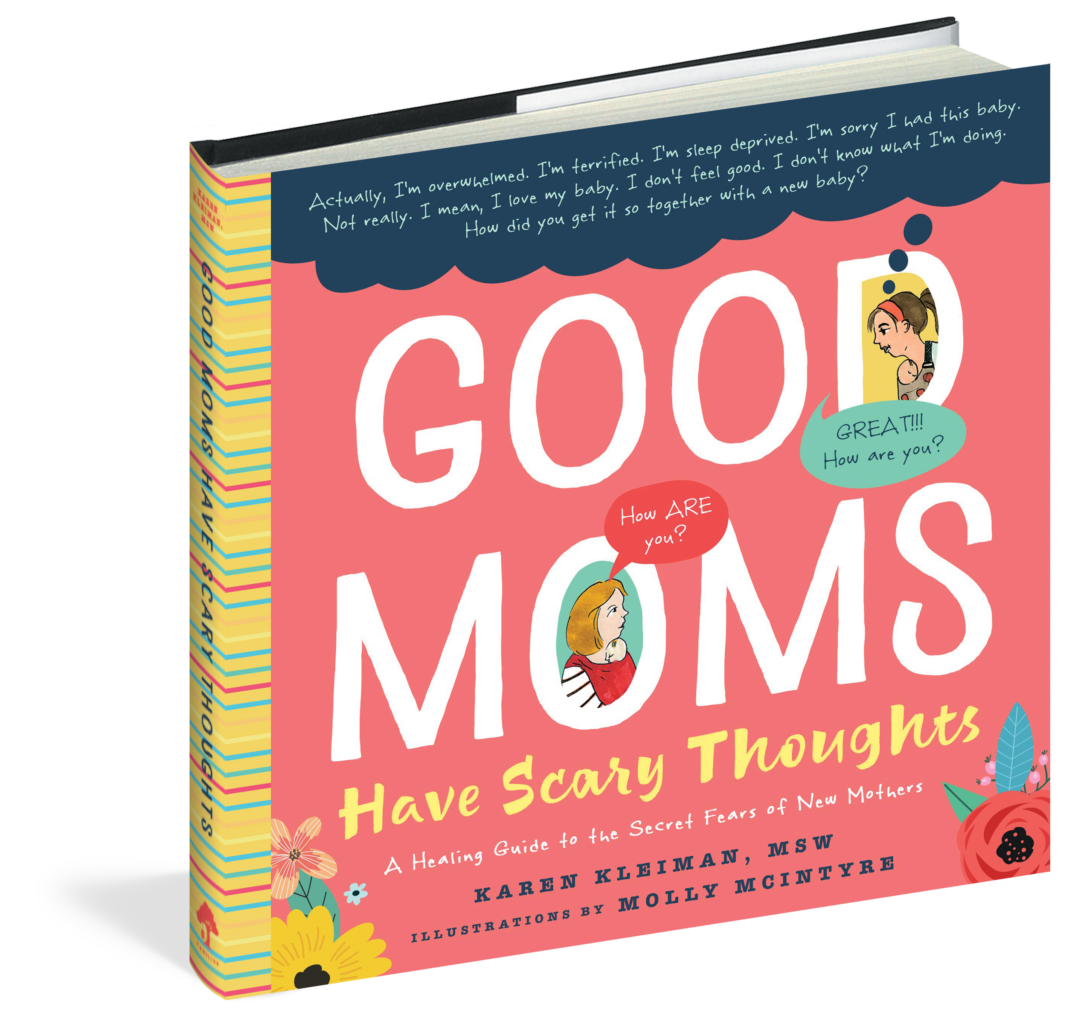
Good Moms Have Scary Thoughts

What About Us?
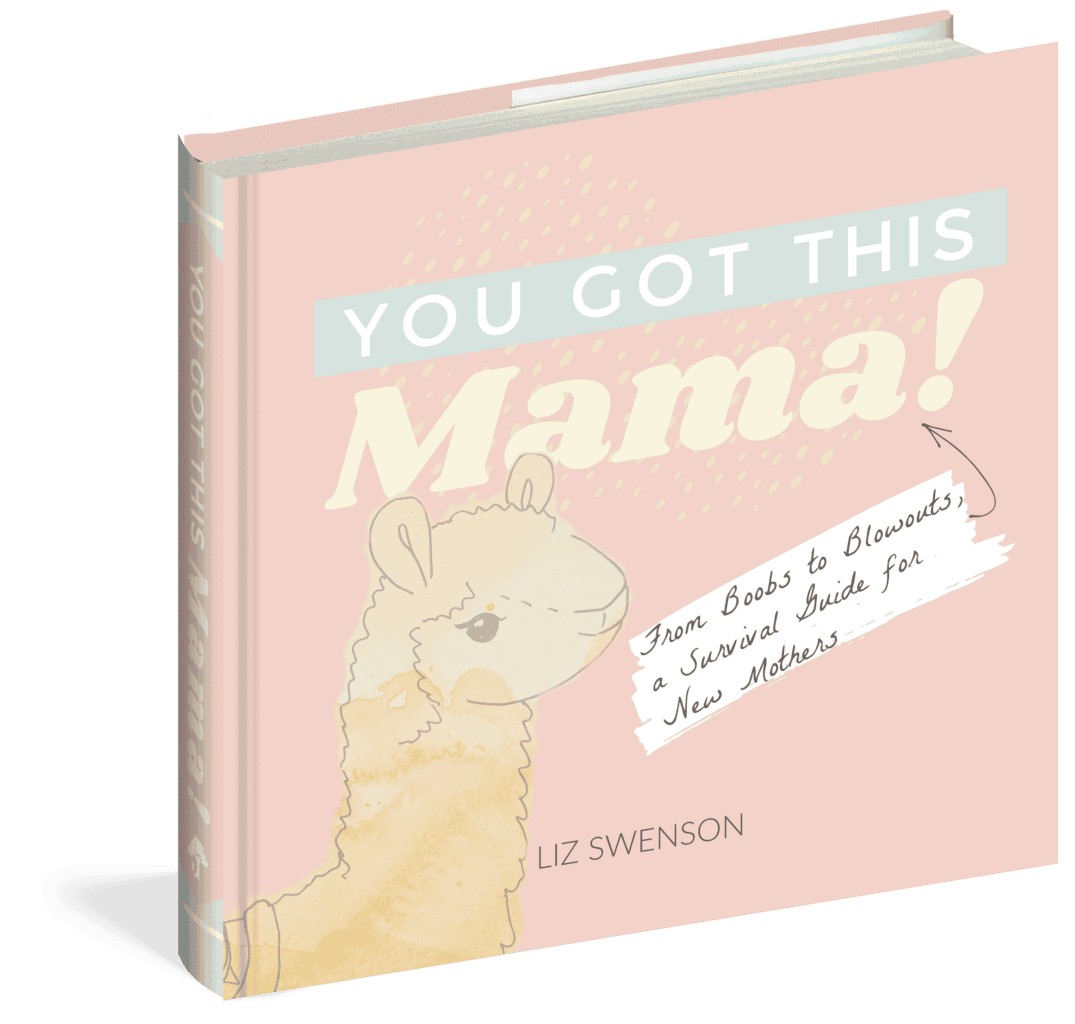
You Got This, Mama!
Shaelyn Topolovec earned a BA in Editing and Publishing from BYU, worked on several online publications, and joined the Familius family. Shae is currently an editor and copywriter who lives in California’s Central Valley.