

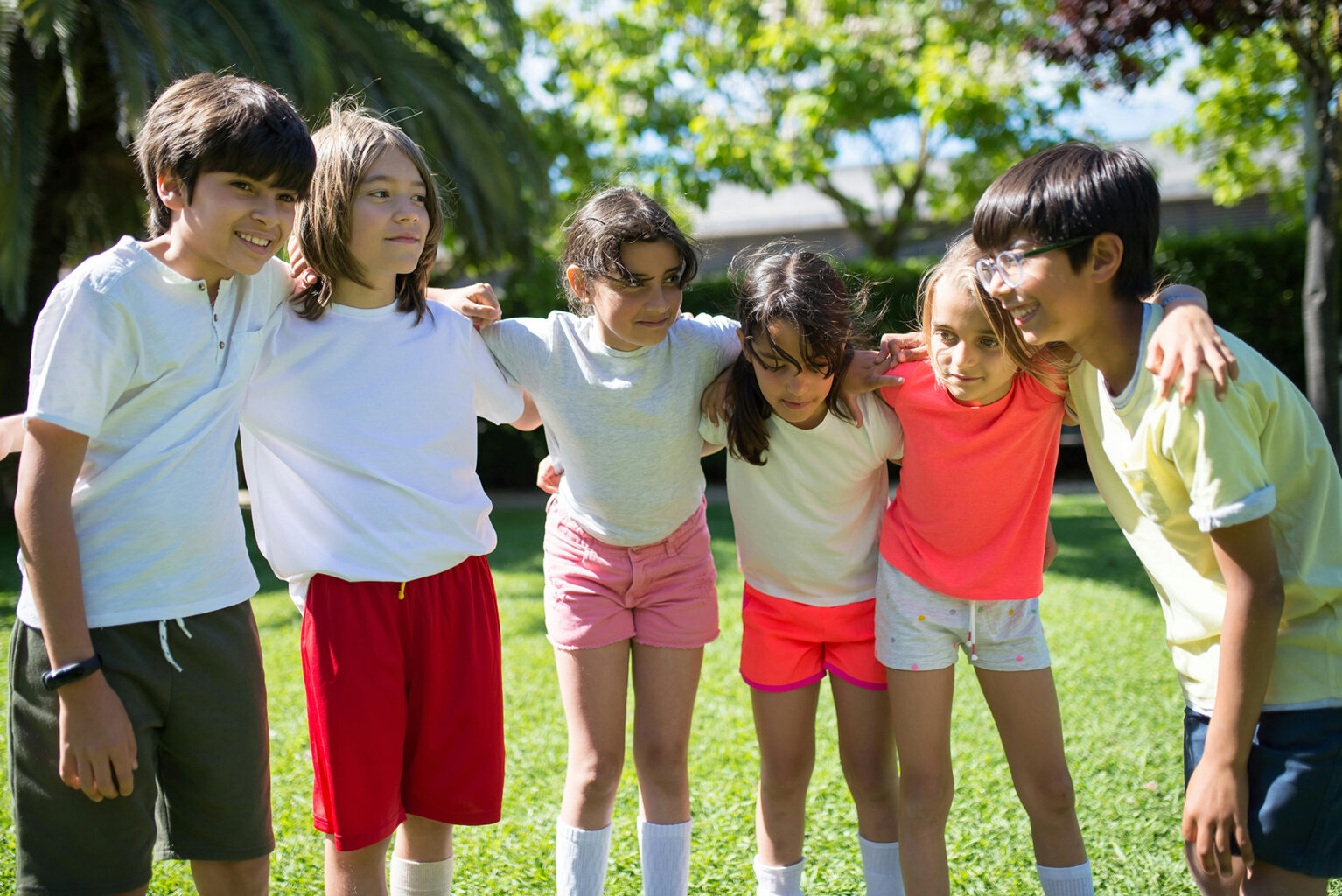
Kids having trouble with friends? Learn how to help them work it out, make peace, and build stronger friendships—big time!
Friendships are one of the best parts of childhood but also one of the trickiest. If your child is having trouble with friends, you’re not alone. From playground drama to playdate meltdowns, friendship problems can leave both kids and parents feeling frustrated. The good news? You can help. With the right guidance, kids can learn how to handle conflict, set boundaries, and build relationships that last.
In this article, we’ll walk through the most common reasons kids struggle with friends, how to spot the signs, and what you can do to help your child grow into a kind, confident, and compassionate playmate.
Why Kids Have Trouble with Friends
Friendship isn’t always as simple as it seems. Children are still developing the emotional and social skills needed to get along with others, and that means mistakes, hurt feelings, and the occasional “You’re not my friend anymore!”
Here are a few of the most common reasons kids run into trouble with friends:
1. Emotional Regulation Isn’t Fully Developed
Tantrums, outbursts, or shutting down when upset? That’s often because young kids are still learning how to regulate their emotions. If your child feels overwhelmed, they may lash out or walk away from a friend instead of working through the problem. Understanding developmental milestones can help parents know what’s typical and what might need more support.
2. Different Social Styles
Some kids are natural leaders. Others prefer to follow. And some just want quiet time alone. When personalities clash, kids may not know how to compromise or take turns.
3. Unclear Boundaries
One child wants to roughhouse. The other wants to read quietly. One thinks teasing is funny; the other doesn’t. Kids need help understanding that everyone has different boundaries and that those boundaries deserve respect.
4. Peer Pressure and Bullying
Even among young children, dynamics like exclusion, manipulation, and meanness can creep in. This kind of trouble with friends often requires more serious conversations and adult intervention.
Signs Your Child Is Struggling Socially
Not every kid will tell you when something’s wrong. But here are a few clues that your child might be having trouble:
- They suddenly don’t want to go to school or attend regular activities.
- They’re unusually moody, withdrawn, or angry after social time.
- They complain often about other kids being “mean” or “bossy.”
- They only talk about one friend—or no friends at all.
- You’ve noticed patterns of conflict with the same children.
If any of these sound familiar, it’s time to start asking questions. But don’t panic. Just because your child is hitting a rough patch doesn’t mean they’re destined to be a loner. Social skills can be learned.
Helping Kids Navigate Conflict
Every friendship has bumps. The key is teaching kids how to deal with those bumps instead of giving up or fighting back. Here are some simple, supportive tools to help your child when they’re facing trouble with friends.
1. Teach the “Pause and Name It” Trick
Before your child reacts, encourage them to pause and name what they’re feeling. For example, “I feel mad because my friend took the toy.” Helping them recognize emotions builds the foundation for solving the problem calmly.
2. Practice Problem-Solving Phrases
Give kids go-to scripts like:
- “Can we take turns?”
- “I don’t like that. Please stop.”
- “I feel left out. Can I play too?”
Roleplay these at home so they feel natural when real-life trouble with friends comes up.
3. Talk Through the Conflict Without Judgment
Instead of jumping to fix it, ask your child:
- “What happened?”
- “How did it make you feel?”
- “What do you wish had happened instead?”
- “Is there something you can do to make it better?”
This gives kids the chance to reflect, take responsibility, and build empathy.
Setting Social Boundaries (And Respecting Others’)
Not every kid is a perfect match, and that’s okay. But kids need help understanding the difference between normal disagreements and ongoing unhealthy relationships.
Talk with your child about what makes a good friend:
- Kindness
- Respect
- Honesty
- Willingness to share and include
And discuss red flags like:
- Constant teasing or name-calling
- Ignoring or excluding others
- Refusing to say sorry or own up to mistakes
When kids know what healthy friendship looks like, they’re better prepared to seek it and to be that kind of friend themselves.
How to Support Healthy Play at Home
So much of what kids learn about friendship happens during play. Whether it’s a board game, a backyard adventure, or building something together, these moments teach cooperation, fairness, and resilience.
Here’s how to support positive play and reduce trouble with friends at home:
1. Set Clear Expectations Before Playdates
Before a friend comes over, review house rules:
- “Everyone gets a turn.”
- “If there’s a problem, ask for help.”
- “We don’t yell or grab.”
Clear rules prevent confusion and set a peaceful tone.
2. Stay Nearby, but Let Them Try
Be within earshot, especially for younger kids. If conflict brews, let them try solving it on their own first. Step in only when needed, and guide with questions instead of commands.
3. End Playdates on a Good Note
Watch for signs that kids are getting tired or overstimulated; many arguments happen when energy runs low. Ending the playdate before things unravel helps leave everyone with good memories.
When Your Child Is the One Causing Trouble
It’s tough to admit, but sometimes, our kids are the ones creating the conflict. If your child often struggles to keep friends or gets repeated complaints, it’s worth digging deeper.
Ask yourself:
- Do they have a hard time sharing?
- Do they interrupt or dominate conversations?
- Do they get very upset when things don’t go their way?
This doesn’t mean something is “wrong” with your child; it just means they need some extra support. Focus on teaching them how their actions affect others and encourage them to practice patience, empathy, and flexibility.
When to Step In—and When to Let Go
Some situations call for a parent to get directly involved:
- Bullying or emotional harm
- Physical aggression
- Ongoing exclusion or isolation
In these cases, it’s appropriate to talk with teachers, counselors, or the other child’s parent. But in most everyday conflicts, try to let your child take the lead. Coaching them through trouble with friends helps build resilience and confidence.
It’s okay to let go when:
- The argument is over something minor (like who gets the blue crayon).
- Both kids are still talking and engaging, even if they’re annoyed.
- They’re trying to solve the problem on their own.
- No one is being hurt physically or emotionally.
- They’re able to cool off and bounce back after a short break.
Letting go doesn’t mean ignoring it. It means trusting your child to practice their skills while you stay nearby as a calm support system.
Building a Foundation for Lifelong Friendships
Kids don’t need to be social butterflies. But they do need to learn how to relate to others with kindness, respect, and flexibility. And that starts at home with patient coaching, honest conversations, and plenty of practice.
Here are a few daily habits that help:
- Model healthy friendships. Let your kids see you making time for your own friends, talking things through, and offering support.
- Celebrate kindness. Praise your child when they include others, apologize, or compromise.
- Make time for unstructured play. Kids learn a ton just by figuring things out together without adult scripts.
Friendship is a journey, and every child hits bumps along the way. But with your support, they can move from trouble with friends to friendships that grow stronger with time.
You’ve Got This
If your child is having trouble with friends, it’s not a failure; it’s a chance to grow. Every disagreement is an opportunity to learn communication, empathy, and problem-solving skills. Keep listening, keep guiding, and keep believing in your child’s ability to learn and connect. With a little help from you, they’ll get by—big time.
Help Your Child Build Better Friendships with These Kid-Friendly Reads

Marvin’s Monster Diary 3: Trouble with Friends

Marvin’s Monster Diary 4: Neighborhood Bully

BFF or NRF (Trouble with Friends)
Shaelyn Topolovec earned a BA in Editing and Publishing from BYU, worked on several online publications, and joined the Familius family. Shae is currently an editor and copywriter who lives in California’s Central Valley.