


Scoop up some fun with ice cream science—hands-on, edible experiments that teach kids STEM while keeping things cool (and tasty)!
When it comes to sweet treats and summer fun, few things delight kids (and let’s be honest—grownups too) quite like ice cream. But did you know that behind every creamy scoop is a fascinating bit of chemistry? That’s right—ice cream science is real, and it’s a delightful way to engage curious kids while secretly teaching them some STEM basics. From states of matter to freezing point depression, your freezer is basically a classroom waiting to happen. And best of all? You get to eat the results. These edible experiments are just what you need to beat the heat.
What Is Ice Cream Science?
Before we dive into the edible experiments, let’s talk about what ice cream science actually is. Making ice cream isn’t just about tossing ingredients into a machine and hoping for the best. It’s chemistry, baby!
Ice cream is a mixture of fat, sugar, and ice crystals—held together by air. Yep, there’s actually quite a lot of air in ice cream, which is part of what gives it that light, fluffy texture. The process of freezing and churning affects everything from smoothness to scoopability.
By exploring how ice cream is made, kids can learn about:
- States of matter (liquid cream becoming solid)
- Emulsification (keeping fat and water together)
- Freezing point depression (why salt helps ice freeze stuff faster)
- Crystallization (why slow freezing = big, crunchy ice; fast freezing = creamy goodness)
Sounds complicated? Don’t worry—we’re keeping it fun, hands-on, and sticky in the best way.
1. Ice Cream in a Bag
Perfect for: Ages 4–12
Mess level: Medium
Science lesson: Freezing point depression
This is the ultimate ice cream science activity because it’s easy, fast, and feels like magic. All you need is a few kitchen basics—and strong arms for shaking.
Ingredients
- 1 cup half and half or heavy cream
- 2 tablespoons sugar
- ½ teaspoon vanilla extract
- Ice
- ⅓ cup rock salt (or kosher salt)
- 1 gallon-sized zip-top bag
- 1 quart-sized zip-top bag
- A towel or gloves (trust us)
Instructions
- In the small bag, mix the cream, sugar, and vanilla. Seal it tight.
- Fill the large bag halfway with ice and sprinkle in the salt.
- Place the small bag inside the large one. Seal the big bag tight.
- Wrap in a towel or wear gloves (the bag gets cold) and shake for 5–10 minutes.
- Open it up—and hello, ice cream!
What’s Happening
Adding salt to the ice lowers its freezing point, which makes the ice melt—but it absorbs heat as it does, rapidly freezing the creamy mixture. That’s ice cream science in action.
2. The Flavor Lab
Perfect for: Ages 6+
Mess level: Low
Science lesson: Emulsions and taste testing
Once your kids get the hang of basic ice cream, they’ll want to create wild and wonderful flavors. Set up your own flavor lab!
Base Ingredients (per Kid)
- 1 scoop vanilla ice cream
- Mixing bowls and spoons
- Optional: food coloring
Flavor Add-Ins
- Crushed cookies
- Fruit purees
- Spices (like cinnamon or ginger)
- Extracts (mint, almond, coconut)
- Bits of candy
- Cereal
- Even a tiny pinch of salt!
Instructions
Let each kid mix their own flavor combo and give it a name (“Minty Galaxy Swirl” or “Grandma’s Apple Pie Ice Cream,” anyone?). Have a family taste test and crown the most creative, best-tasting, and weirdest flavor.
What’s Happening
This experiment introduces the idea of emulsification—how fat (cream) can blend with water-based flavors—and lets kids explore sensory science, too. They’ll notice how texture, color, and aroma affect the way something tastes.
3. Instant Ice Cream with Liquid Nitrogen (For the Brave)
Perfect for: Teens with supervision
Mess level: High, dramatic, and awesome
Science lesson: Rapid freezing and phase changes
This one’s for the bold (and maybe science fair-worthy). Ice cream science gets theatrical when you use liquid nitrogen—just make sure an adult handles it.
What You Need
- Liquid nitrogen (available from gas supply stores)
- Ice cream base (same as recipe #1)
- Stainless steel bowl
- Wooden spoon
- Safety goggles and gloves
Instructions
- Pour your ice cream mix into the bowl.
- Slowly pour in liquid nitrogen while stirring constantly. It’ll steam and bubble and look extremely cool.
- Stir until the mixture is thick and creamy.
- Serve immediately!
What’s Happening
This demo teaches phase changes—watching a liquid turn solid in seconds—and is a real crowd-pleaser. Just follow strict safety guidelines and never touch the nitrogen.
4. Dairy-Free Ice Cream
Perfect for: All ages
Mess level: Low
Science lesson: Substitutions and molecular structure
Have a lactose-intolerant little scientist? This recipe is creamy, dreamy, and uses frozen bananas.
Ingredients
- 2 ripe bananas (peeled and frozen)
- 1 tablespoon nut butter (optional)
- Add-ins: cocoa powder, vanilla, berries, cinnamon
Instructions
- Toss frozen bananas into a food processor.
- Blend until smooth and fluffy—this takes a minute or two.
- Add optional mix-ins and pulse again.
- Enjoy immediately, or freeze for firmer texture.
What’s Happening
Bananas contain pectin and natural sugars that whip into a creamy texture when blended. You’ll learn about the role of fats and emulsifiers in texture, even when there’s no dairy involved.
Ice Cream Science for the Brain
Here’s the secret: kids don’t realize they’re learning when they’re licking spoons and giggling over melty messes. But there’s real education happening here.
Through these edible experiments, kids are:
- Hypothesizing: “What will happen if I add sprinkles before freezing?”
- Observing: “Why is it getting colder after I added salt?”
- Measuring: “We need exactly 2 tablespoons of sugar.”
- Analyzing: “This one tastes creamier—what did I do differently?”
This is the kind of STEM learning that sticks—because it’s hands-on, playful, and anchored in real-life rewards (like chocolate chips).
Tips for Making Ice Cream Science Extra Sweet
Here’s how to level up your edible experiments for maximum fun:
- Make lab coats out of old T-shirts (bonus: less mess).
- Decorate an “Ice Cream Scientist” notebook for observations and doodles.
- Time your experiments and chart which method is fastest.
- Hold a backyard Ice Cream Science Fair with neighbors or cousins.
- Read a book about the history of ice cream—Ben & Jerry didn’t invent it, but their story is inspiring!
And if you’re really feeling ambitious, you can try building your own ice cream machine out of LEGOs, motors, or even a bike pedal. Yes, that’s a thing. Ice cream science can be as simple or complex as you want it to be.
The Scoop on Why It Matters
When you bring ice cream science into your home, you’re doing more than keeping kids busy. You’re fostering curiosity, confidence, and creativity. You’re showing them that science isn’t just something in a textbook—it’s something they can taste.
And for us grown-ups? It’s a reminder that learning can be fun. That it’s okay to be silly in the kitchen. That you’re never too old to be amazed when cream becomes cold, sweet magic.
Just be warned: once the kids figure out that science is delicious, they’ll never stop asking for dessert.
Final Thought
Because science should always end with a treat:
“Life is like an ice cream cone, you have to lick it one day at a time.”
—Charles M. Schulz, creator of the “Peanuts” comic strip
“Just taught my kids about taxes by eating 38% of their ice cream.”
—Conan O’Brien, American television host and comedian
Discover Our Favorite Edible Science Experiments

Bad Day Ice Cream
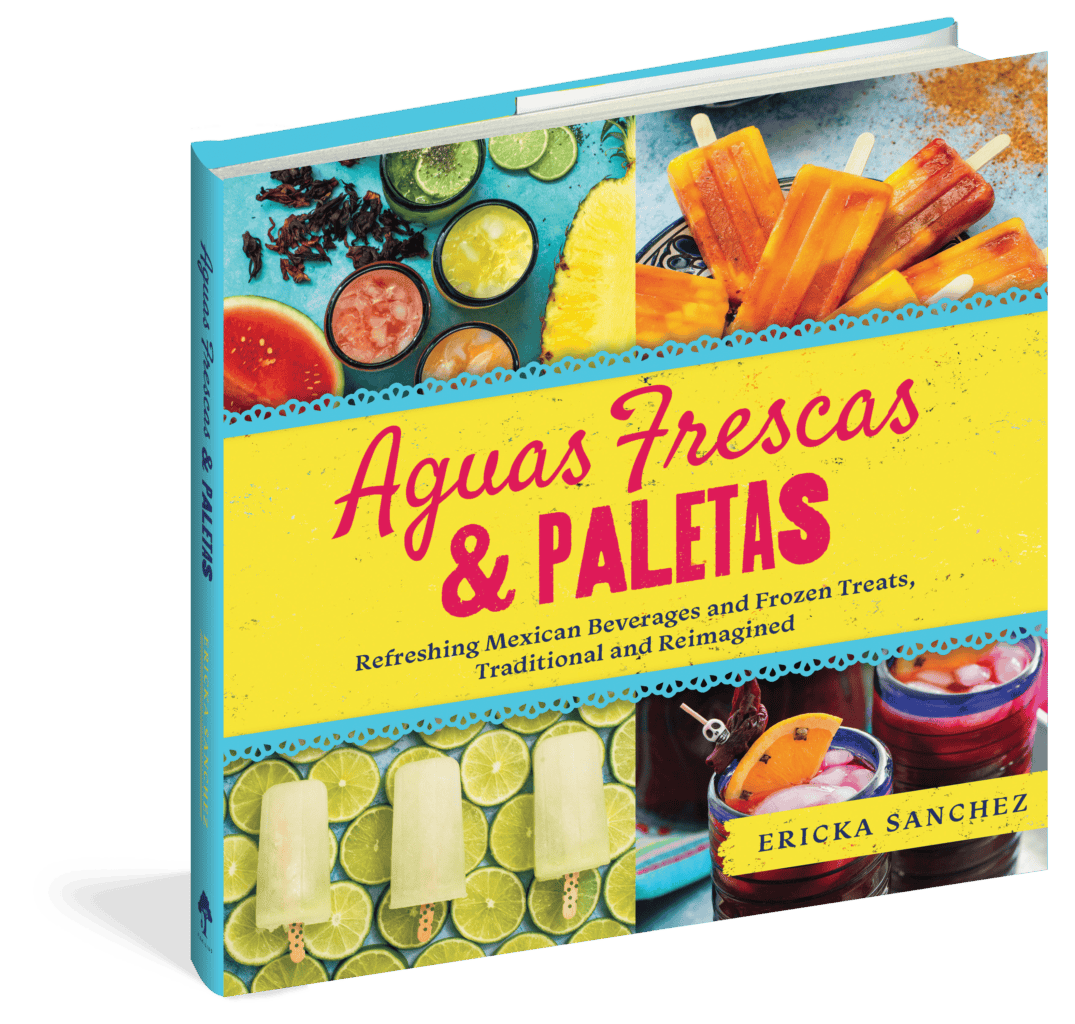
Aguas Frescas & Paletas
Shaelyn Topolovec earned a BA in Editing and Publishing from BYU, worked on several online publications, and joined the Familius family. Shae is currently an editor and copywriter who lives in California’s Central Valley.