

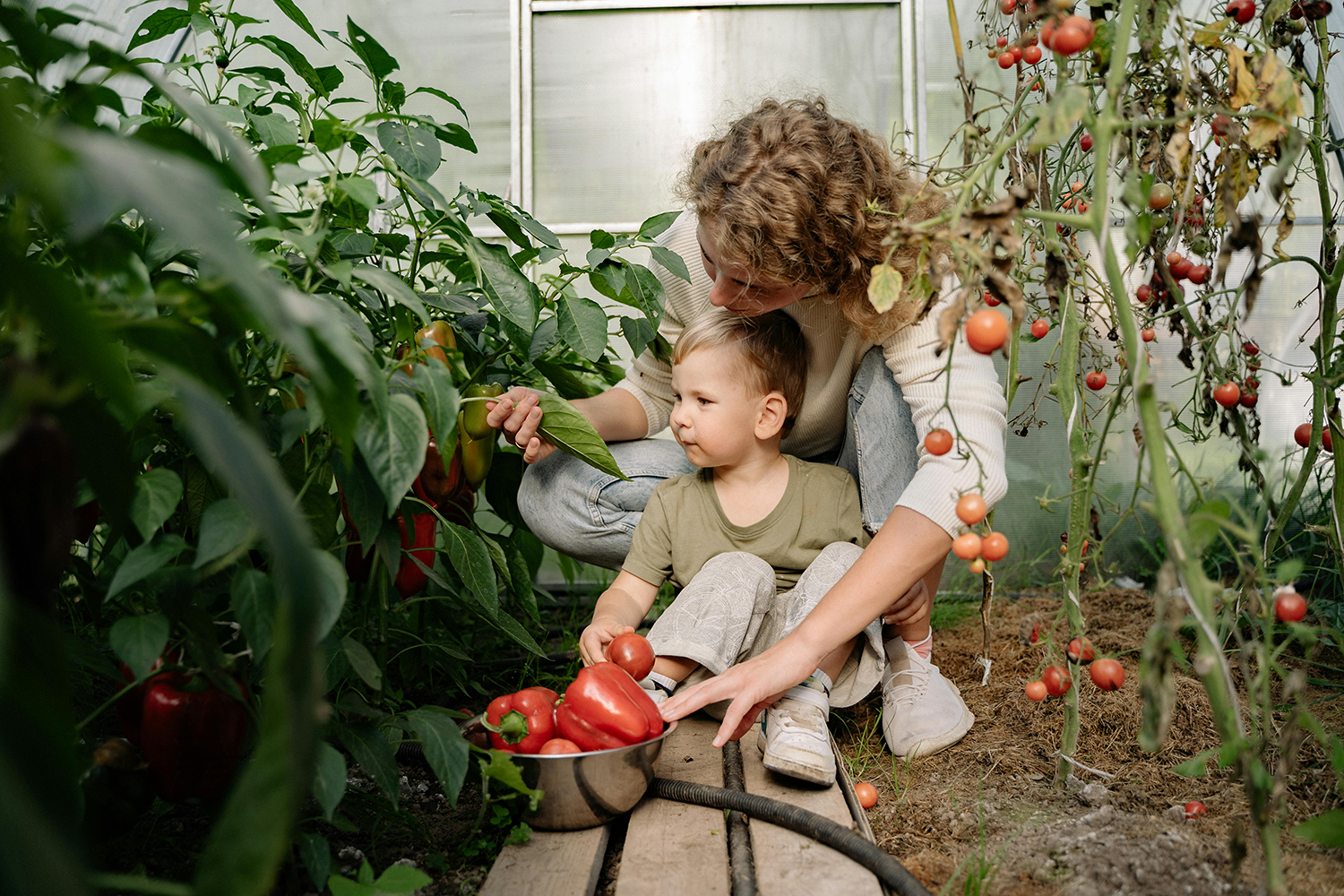
Dig, plant, grow—start a family garden for fresh food, fun, and bonding! Here’s how to make gardening simple, rewarding, and kid-friendly.
Creating a family garden can be one of the most enjoyable projects you’ll take on together as a family. From planting tiny seeds to picking the ripened veggies, gardening brings moments of teamwork, discovery, and even a bit of outdoor exercise for everyone. Let’s explore why a family garden is so rewarding, what to consider before you dig in, and how to get started!
The Benefits of a Family Garden
1. Teaches Kids Responsibility
Kids can learn so much from taking care of plants, from watering schedules to watching how sunlight impacts growth. A family garden offers a fun way to teach responsibility in a hands-on, rewarding way that helps kids feel involved and proud of their accomplishments.
2. Encourages Healthy Eating
Imagine the pride of kids picking fresh vegetables or fruits they’ve helped grow. This excitement can lead them to try new foods they may not have been keen on before. A family garden offers a path to healthy eating by making fresh produce a fun experience.
3. Gets Everyone Moving
Gardening requires bending, digging, planting, and more, which means everyone gets a bit of exercise without thinking of it as “exercise.” Kids can feel like they’re just having fun, but you’ll all be burning calories, strengthening muscles, and improving motor skills along the way.
4. Boosts Mental Health
Working with plants can be calming and therapeutic. Studies show that time spent outdoors can reduce stress and boost moods, making a family garden a great way to support everyone’s well-being.
5. Supports Environmental Awareness
Caring for plants teaches children about nature and the environment. From soil quality to pollinators like bees and butterflies, a garden gives you plenty of opportunities to talk about how ecosystems work and why it’s important to protect our planet.
Make environmental awareness easy with the fun, educational picture book, How Does Our Food Grow?
Things to Consider When Building a Family Garden
Just like choosing the perfect house for your family, whether you just starting out with a baby on the way or are bursting at the seams, building the perfect family garden can be an exercise in patience. Here are some things to consider:
1. Space and Location
Do you have a backyard for an in-ground garden, or are you limited to a patio or balcony? Even a few pots on a sunny windowsill can be enough to grow herbs and small plants. Assess your available space and decide where your family garden will get the most sunlight and be easily accessible for watering and care.
2. Choosing Between a Home Garden or a Community Garden
If you don’t have much space, joining a community garden or a gardening co-op could be a fantastic option. Many community gardens offer small plots for families to grow their own plants, and they often come with built-in support, as fellow gardeners are usually happy to share tips and advice.
3. Deciding What to Grow
Kids are more likely to get excited if they can pick some plants they’re interested in, like strawberries or mini pumpkins. When planning what to plant, think about your family’s preferences, the climate in your area, and the type of space you have. Herbs, leafy greens, and compact veggies like radishes grow well in small spaces, while tomatoes and squash need a bit more room to stretch out.
Keep kids entertained with these five fun gardening ideas.
4. Commitment Level
Gardening is rewarding but does require ongoing effort. Are you ready to commit to watering, weeding, and checking on plants regularly? Some families find it helpful to divvy up garden duties among family members or set up a simple schedule to ensure that everyone stays involved and the garden stays healthy.
Practical Steps to Starting Your Family Garden
Ready to get your hands dirty? Here’s a step-by-step guide to make starting your family garden as simple as possible!
1. Choose Your Garden Style
Whether it’s raised beds, containers, or an in-ground plot, choose a garden style that works with your space and family’s interests. Raised beds are great for those who want organized, easily accessible gardens, while containers are perfect for smaller spaces or people who want a more portable garden.
2. Gather Supplies
Your family garden will need some basic tools and materials. Essentials include soil, seeds or starter plants, watering cans, and basic tools like a trowel, gloves, and perhaps a small rake. For young kids, consider child-sized tools to make the experience more enjoyable and manageable.
3. Prepare the Soil
Quality soil is key for healthy plants. If you’re gardening in the ground or in raised beds, consider mixing compost or other organic material into your soil to boost nutrient levels. If you’re using containers, look for good potting soil that retains moisture but drains well.
4. Plan Your Layout and Plant Together
Let each family member have a say in where plants go, especially if everyone is growing something they’re excited about. When planting, make sure to follow the recommended spacing for each plant type to give them room to grow.
5. Water and Care for Your Garden
Set a watering routine that works for your climate and plants, and assign watering duties to different family members. For younger kids, watering can be a daily responsibility that helps them feel involved, while older kids or adults can check for weeds and pests.
6. Monitor Growth Together
One of the most fun parts of gardening is watching the plants grow! Encourage kids to keep a “garden journal” to track changes or even take photos to see the progression. Make it a weekly family activity to check on the garden’s progress and celebrate any big milestones, like the first flower or a ripe tomato.
7. Harvest and Enjoy the Results
Harvest time is the ultimate reward, especially when you get to taste the fruits (or veggies) of your labor! Let kids pick what they’ve grown, whether it’s fresh herbs, tomatoes, or flowers. You can even make a special meal or snack using the produce from your garden.
Extra Tips for Making Your Family Garden Fun and Sustainable
1. Create a Garden Theme
Choosing a theme can add a fun twist! Try a “pizza garden” with tomatoes, basil, and oregano or a “butterfly garden” with flowers like zinnias and marigolds. Themes can be a great way to get kids invested in the garden by focusing on things they love.
2. Keep It Simple and Start Small
Gardening can get overwhelming if you try to do too much at once. Start small, perhaps with just a few pots of herbs or a single raised bed, then expand once everyone is comfortable with the routine.
3. Explore Gardening with Recycled Materials
Get creative with recycled or reused containers, like old buckets or pots from thrift stores. Kids will love decorating the pots and learning about sustainable gardening practices.
4. Use Organic Methods
Avoid harsh chemicals and instead use organic pest control like ladybugs (you can often order them online!) or plant marigolds, which naturally repel pests. These eco-friendly methods are safe for little helpers and keep the environment in mind.
Growing Food, Growing Closer
Building a family garden is more than just growing food—it’s a fantastic way to bring the family together for shared experiences, learning, and plenty of fun! So gather up those seeds, roll up your sleeves, and let the growing adventures begin.
Discover More Ways to Introduce Your Family To Gardening

How Does Our Food Grow
Tiny Garden, Huge Harvest

Breaking the Grid
Shaelyn Topolovec earned a BA in Editing and Publishing from BYU, worked on several online publications, and joined the Familius family. Shae is currently an editor and copywriter who lives in California’s Central Valley.