


Wondering if early reading gives kids a lifelong edge? This article explores the truth about early vs. late readers—and how to support both!
Is your child reading at an early age, or are they more of a late bloomer? Many parents worry about when their child should start reading, but the truth is, kids develop at their own pace. Some children pick up books before kindergarten, while others take a little longer to get there. So, does early reading matter? And what if your child isn’t an early reader? Let’s explore the differences and what really counts when it comes to literacy development.
What Is Early Reading?
Early reading generally refers to children who begin decoding words and understanding written language before the traditional school age, around four or five years old. Some kids even start recognizing letters and words as toddlers! This often happens in literacy-rich environments where books, conversations, and storytelling are a big part of daily life.
Signs of an Early Reader
- Recognizes letters and letter sounds before age four
- Shows interest in books and words early on
- Memorizes favorite stories and “reads” them aloud
- Asks about words and their meanings
- Begins to sound out words independently
Early readers often benefit from a strong foundation in phonics, vocabulary, and comprehension skills. But does this early advantage guarantee long-term success? Not necessarily!
What about Late Bloomers?
Late bloomers in reading are children who take longer to grasp reading skills, often closer to ages six or seven. This is still completely within the normal range! Many kids simply need more time to develop the cognitive skills required for reading.
Signs of a Late Bloomer
- Prefers being read to rather than reading alone
- Struggles with letter recognition or phonics
- Loses interest quickly when trying to read
- Has a strong spoken vocabulary but avoids reading words
- Thrives in other areas like storytelling, drawing, or problem-solving
Some of the world’s greatest minds, including Albert Einstein, were “late” bloomers in reading. Just because a child isn’t an early reader doesn’t mean they won’t become an avid reader later!
Does Early Reading Lead to Greater Success?
Many parents assume that early reading leads to long-term academic success. While early readers often have a head start, that doesn’t mean that late bloomers won’t catch up. Studies show that:
- Early academic pressure can cause long-term harm to a child’s learning. Whereas children who take on academic challenges later often have a more natural and enjoyable learning experience, leading to a stronger sense of self-confidence and a deeper love of reading.
- Comprehension and engagement matter more than the age at which a child learns to read and how well they do it.
- Third grade is the true pivot point where children transition from learning to read to reading to learn, which is arguably not “early.” By this point, if children are still struggling to read, then they are four times less likely to earn a high school diploma.
- Late readers who put in the work often catch up to early readers.
So, while early reading can be helpful, it doesn’t necessarily mean a child will be a lifelong reader or perform better in school than late readers.
Potential Challenges for Early and Late Readers
Challenges for Early Readers
- Burnout: If pushed too hard, early readers may lose interest in reading later.
- Social Differences: They may feel different from peers who aren’t reading yet.
- Comprehension vs. Decoding: Some early readers focus on phonics but struggle with understanding the deeper meaning of texts.
Challenges for Late Bloomers
- Frustration: They may compare themselves to peers and feel discouraged.
- Academic Pressure: Schools often expect reading fluency early, which can be stressful.
- Confidence Issues: Struggling to read in a classroom setting can affect self-esteem.
How to Support Your Child Regardless of Their Reading Timeline
1. Create a Literacy-Rich Environment
Whether your child is an early reader or a late bloomer, surrounding them with books, conversations, and storytelling can help. Read aloud daily, visit the library, and encourage curiosity about words and stories.
2. Focus on Comprehension, Not Just Decoding
If your child can decode words but struggles to understand them, focus on comprehension strategies. Ask questions like the following:
- “What do you think will happen next?”
- “Why do you think the character made that choice?”
- “How does this story remind you of something in real life?”
3. Make Reading Fun, Not a Chore
For both early readers and late bloomers, reading should feel enjoyable. Try:
- Letting them choose their own books
- Using audiobooks to build comprehension
- Incorporating games like word hunts or rhyming challenges
4. Be Patient and Encouraging
If your child is a late bloomer, avoid labeling them as “behind.” Instead, celebrate their progress and strengths. Likewise, if your child is an early reader, ensure they still enjoy the process rather than feeling pressured to perform.
5. Know When to Seek Help
If your child is significantly struggling with reading beyond the expected range, consider consulting a teacher or specialist. Early intervention can make a difference for children with dyslexia or other learning challenges.
It’s the Love of Reading That Matters
At the end of the day, it doesn’t matter whether a child starts reading at three or seven. What’s important is that they develop a love for books, stories, and learning. Every child is on their own unique reading journey, so whether you have an early reader or a late bloomer, remember: it’s not a race—it’s a lifelong adventure.
Discover Books That Get Kids Interested in Reading
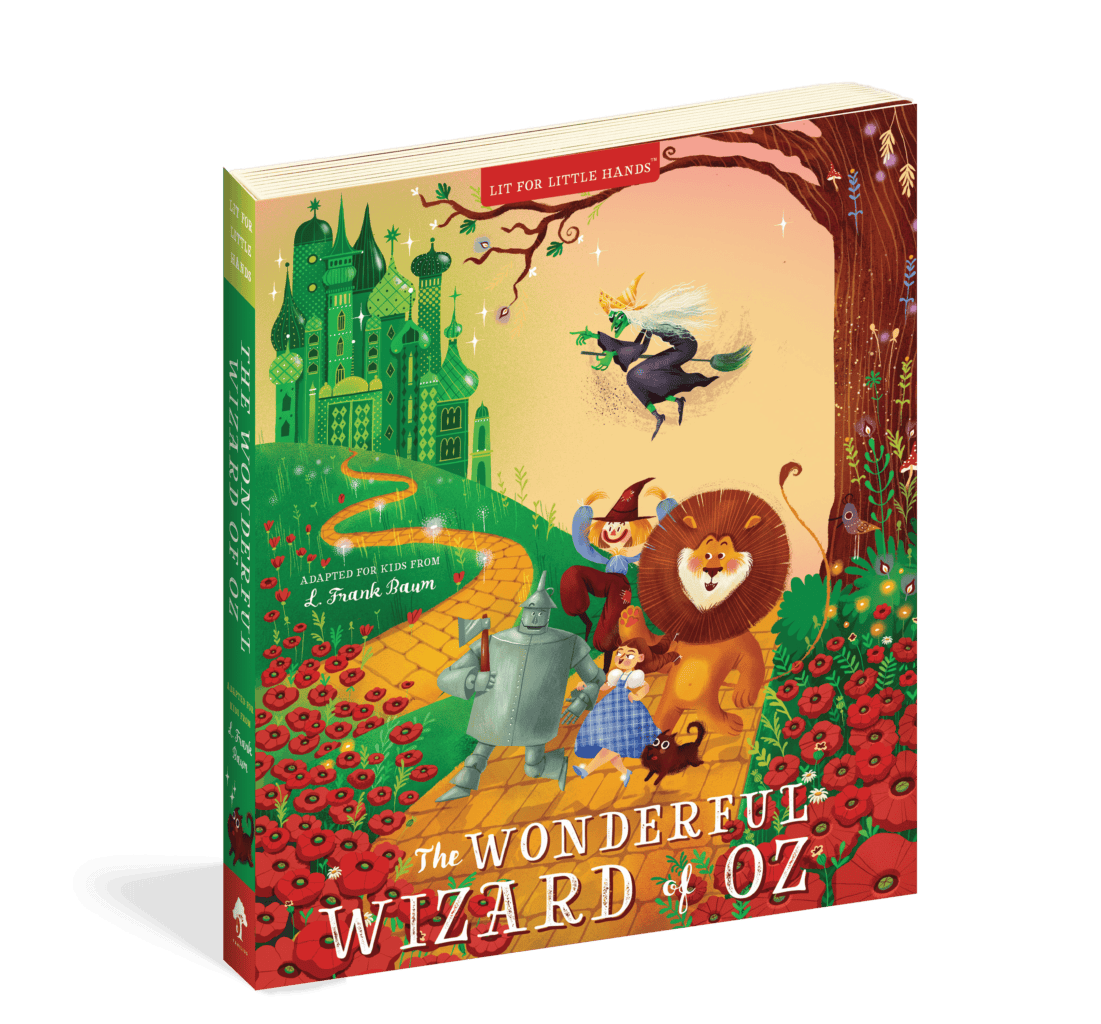
Lit for Little Hands: The Wonderful Wizard of Oz

Red Rover, Red Rover, Send a Vowel Over

Marvin’s Monster Diary
Shaelyn Topolovec earned a BA in Editing and Publishing from BYU, worked on several online publications, and joined the Familius family. Shae is currently an editor and copywriter who lives in California’s Central Valley.