

Wondering if graphic novels and audiobooks count as reading? Discover why experts say yes—and how they boost your child’s brainpower.
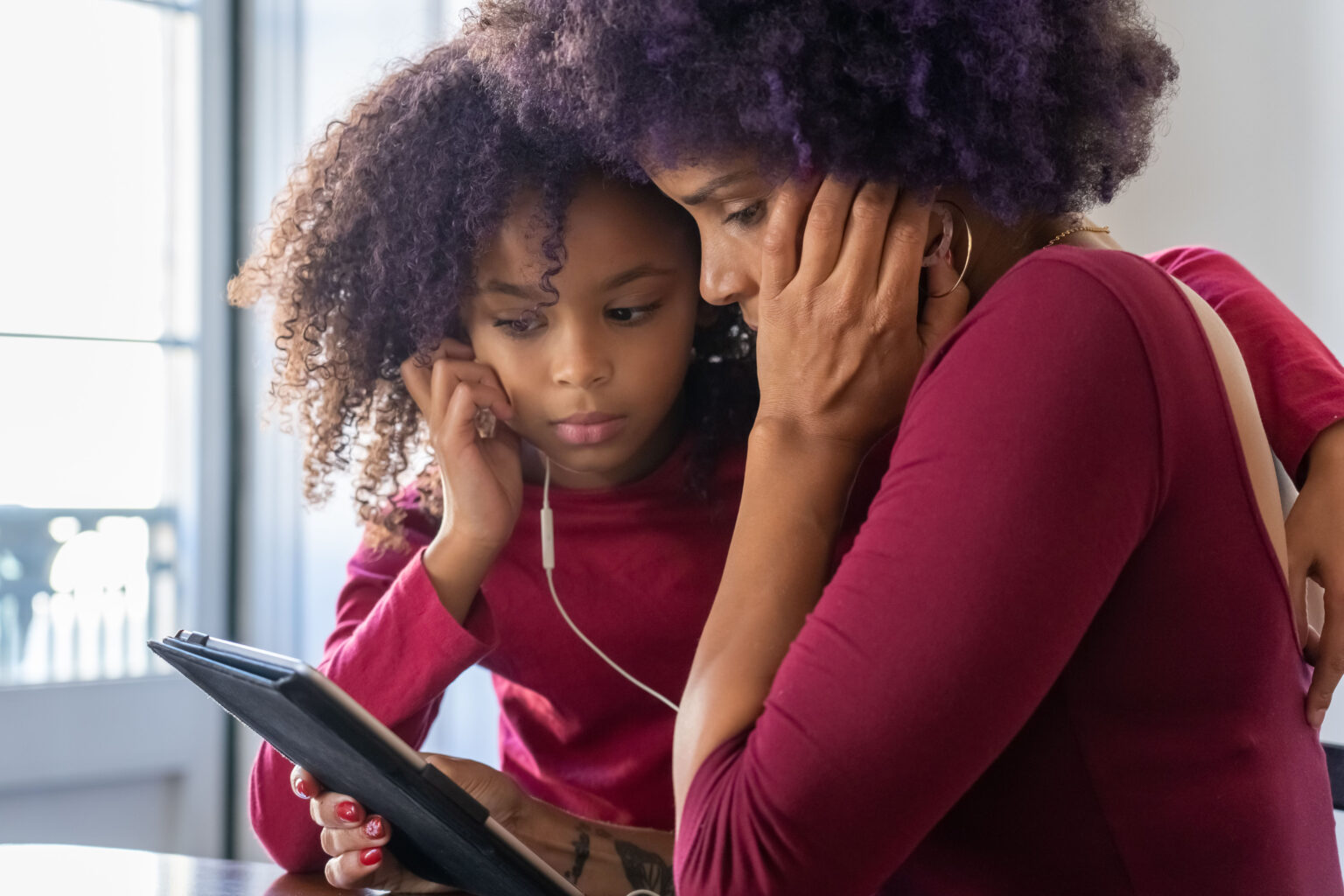
Picture this common household scene: You walk into the living room, thrilled to find your child engrossed in a story. But as you get closer, your enthusiasm drops. They aren’t reading a traditional novel filled with dense blocks of text. Instead, they are flipping through a graphic novel packed with colorful panels, or wearing headphones while staring at the ceiling, listening to an audiobook.
The instinctual thought for almost every well-meaning parent is the exact same question: “Does this actually count as reading?”
If you’ve ever felt a quiet wave of parent guilt or worried that your child is taking the “easy way out,” you can officially take a deep breath. Educational researchers, neuroscientists, and literacy specialists all agree: audiobooks and graphic novels count as reading in every way that truly matters for your child’s brain development, comprehension, and long-term love of books.
The Myth of “Real” Reading
For generations, society has defined reading through a narrow lens: sitting quietly with a black-and-white prose book and manually decoding symbols on a page. Under this traditional view, anything else feels like a compromise—or worse, a form of cheating.
However, literacy is about far more than just eye movements across printed words. At its core, reading is the cognitive act of extracting meaning, tracking narratives, expanding vocabulary, and empathizing with characters.
When we insist that only text-heavy books count, we miss how rich storytelling formats actually challenge and grow young minds. Broadening our definition of books doesn’t lower the bar—it raises a child’s access to ideas, imagination, and learning.
Why Audiobooks Count as Reading: The Neuroscience of Listening
One of the biggest misconceptions parents have is that listening to a story requires no mental effort. But if you look at how the human brain processes narratives, audiobooks prove to be a serious mental workout.
When a child listens to a narrator bring a story to life, several critical cognitive processes kick into high gear:
1. Active Mental Visualization
Unlike watching a movie, an audiobook provides no visual cues on a screen. The child’s brain must work continuously to build the world, envision character features, and construct spatial relationships in their mind’s eye. This exercises the brain’s visual cortex and creative problem-solving regions.
2. Exposure to Advanced Vocabulary
Children can typically listen and understand at a higher grade level than they can independently read. An eight-year-old might stumble over complex words like “extravagant” or “sinister” on a printed page, but when they hear those words pronounced naturally in an audiobook context, they absorb their meanings effortlessly.
3. Modeling Fluency and Emotion
Hearing a professional narrator models proper reading speed, tone, emphasis, and character voicing. This helps young listeners understand prosody—the rhythm and melody of language—which directly translates to better reading comprehension when they do pick up printed text.
For neurodivergent kids—especially those with dyslexia, ADHD, or visual processing challenges—audiobooks level the playing field. Removing the physical frustration of decoding letters allows these brilliant minds to engage directly with rich plots and complex themes without experiencing reading fatigue.
Why Graphic Novels Count as Reading: High-Level Visual Logic
If audiobooks exercise the ear, graphic novels are an absolute powerhouse for the visual brain. Far from being “dumbed-down” comic strips, modern graphic novels require complex, multi-layered processing.
1. Panel-to-Panel Inference
In a graphic novel, the story lives in the interplay between words and images. Readers can’t just skip the pictures; they must constantly analyze character expressions, interpret spatial layouts, and infer what happened in the “gutters” (the white space between panels). That visual-linguistic synthesis is a foundational component of modern critical thinking.
2. Dense, Impactful Vocabulary
Space in a speech bubble is limited. Because graphic novel authors have fewer total words to work with, they choose precise, powerful vocabulary. Paired with explicit visual context, children absorb challenging words faster because the illustration provides an immediate clue to the word’s meaning.
3. Building Confidence for Reluctant Readers
A massive page of solid black text can trigger instant anxiety in a hesitant reader. Graphic novels break narratives down into bite-sized visual chunks, giving kids momentum. Turning pages quickly provides a sense of accomplishment that keeps them coming back for more.
According to a study highlighted by the National Library of New Zealand, research conducted by the National Literacy Trust showed that children who read graphic novels in their free time were twice as likely to enjoy reading overall compared to those who didn’t—and they consistently rated themselves as more confident readers.
Comparing the Formats: How Each Shapes Your Child’s Mind
Rather than asking which format is “best,” it helps to see how each distinct format builds different cognitive muscles:
- Traditional prose books primarily focus on text decoding and linear tracking. Their major strength is building traditional focus stamina and understanding complex sentence structures.
- Graphic novels utilize dual-stream processing, engaging both text and image simultaneously. Their major strength is building visual logic, inference skills, and using context clues to decode story elements.
- Audiobooks rely on auditory processing and mental spatial mapping. Their major strength is expanding spoken vocabulary, modeling reading pacing, and helping kids grasp vocal expression and narrative tone.
When you combine all three formats, you aren’t substituting real reading—you are giving your child a balanced, well-rounded literary diet.
4 Practical Ways to Harness These Formats at Home
If you want to use graphic novels and audiobooks to build your child’s confidence, here are four simple, stress-free ways to integrate them at home:
1. Try “Immersion Reading”
Have your child hold a physical book while listening to the audiobook version at the same time. This powerful combination reinforces sight-word recognition and helps struggling readers match written symbols to spoken sounds seamlessly.
2. Turn Car Rides into Story Time
Swap background music or screens during commute times for an engaging audiobook series. Listening as a family builds shared experiences and gives you natural opportunities to pause and chat about character choices.
3. Use Graphic Novels as “Bridge Books”
If your child is intimidated by a long required reading assignment or a dense historical topic, find a graphic novel version first. Establishing a visual framework of the plot makes the full-text version much easier to digest later.
4. Ditch the “Book Police” Mindset
Let your child choose their format without adding caveats like “Okay, but read a real book after this.” Intrinsic motivation drops the moment reading feels like a chore. Celebrating their choices—regardless of format—keeps their enthusiasm alive.
Frequent wins with any format build reading confidence and reduce anxiety. Richer vocabulary and context clues boost comprehension, and ultimately, reading shifts from being an assigned task into a chosen pastime filled with joy.
The Verdict: Ditch the Guilt and Celebrate the Journey
At the end of the day, our ultimate goal as parents isn’t just to get our children to pass decoding tests—it’s to raise curious, empathetic, lifelong learners who find joy in stories.
Whether your child is absorbing a story through their eyes, their ears, or a combination of both, their brain is growing. Audiobooks broaden their vocabulary; graphic novels sharpen their visual logic; print books build focus.
So the next time you see your child buried in a comic or listening intently under a pair of headphones, smile and rest easy. It all counts as reading, and your child is well on their way to becoming a passionate reader.
Expand Your Library with Books for Reluctant Readers
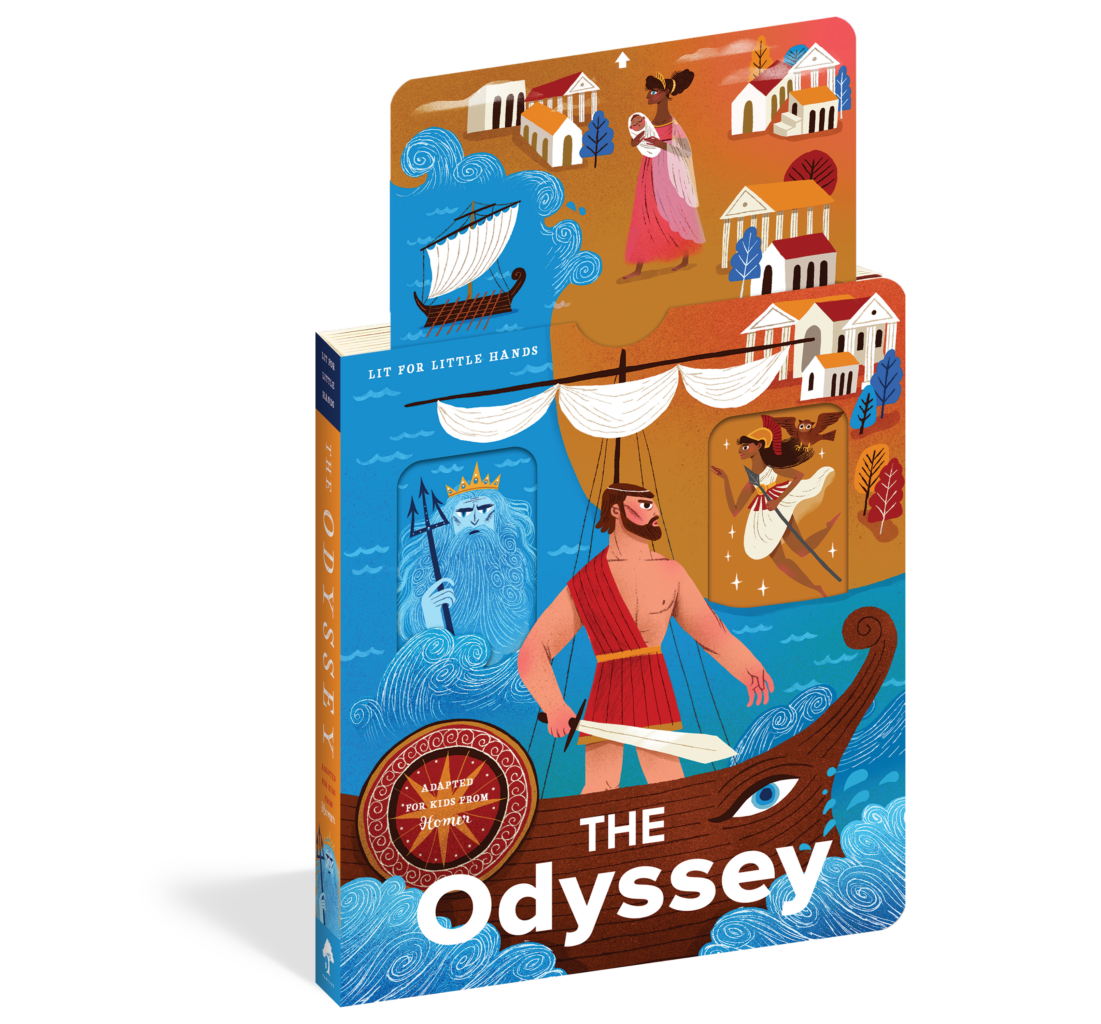
Lit for Little Hands: The Odyssey

The Little i Who Lost His Dot

Marvin’s Monster Diary
Shaelyn Topolovec earned a BA in Editing and Publishing from BYU, worked on several online publications, and joined the Familius family. Shae is currently an editor and copywriter who lives in California’s Central Valley.