

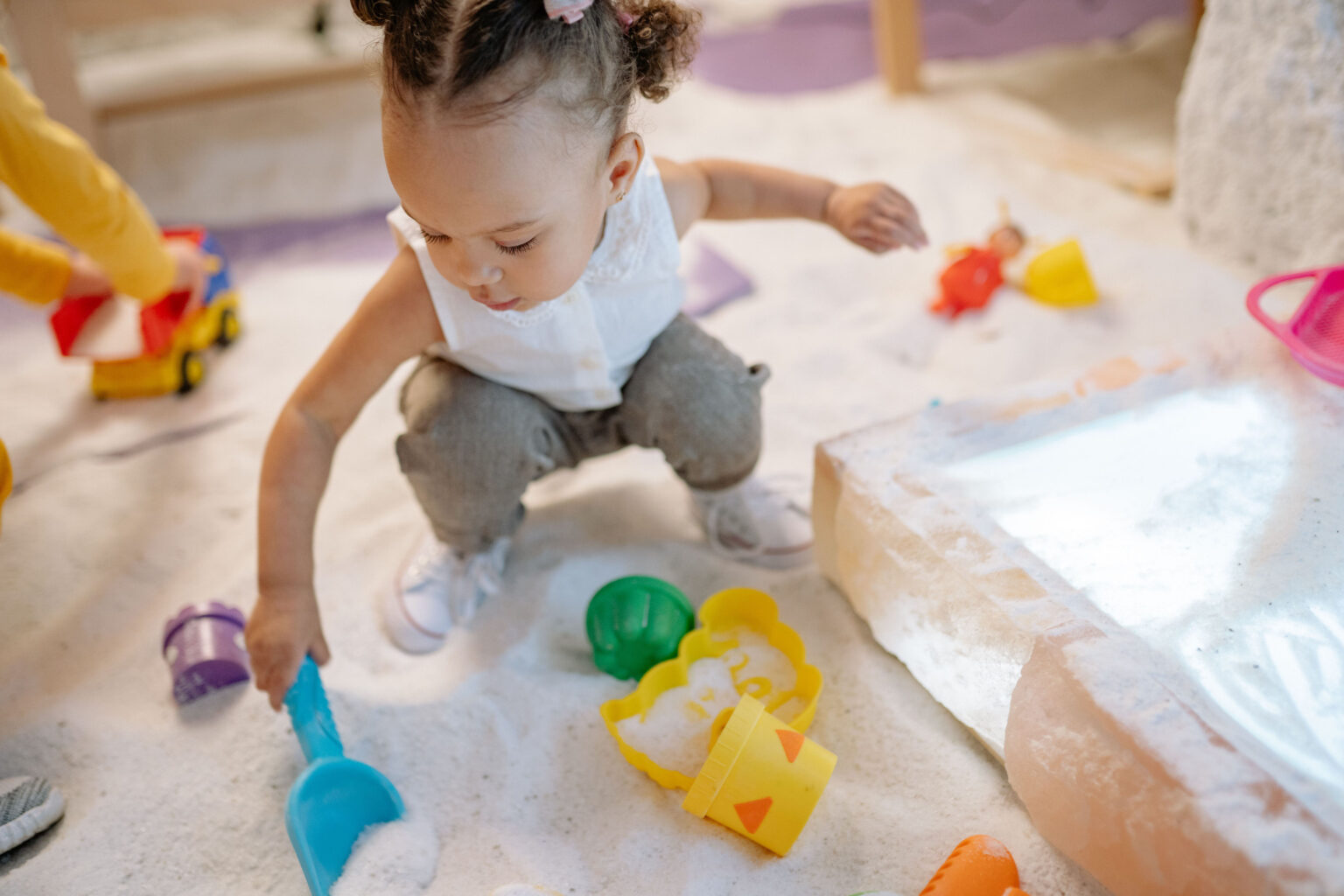
Letting kids be bored is a lost art. Learn how to stop playing event coordinator and help your child build a lifelong habit of independent play.
The scene is familiar to every modern parent. Within minutes of the screens turning off, a heavy sigh echoes through the house, followed by the inevitable four-word complaint: “Mom, Dad, I’m bored.”
For today’s parents, this phrase often triggers an involuntary wave of guilt. We live in an era of hyper-curated childhoods, conditioned to view our children’s boredom as a parental failure—a vacuum we are obligated to fill.
But what if the best thing we can do for our kids is to simply step back and let them simmer in it?
Boredom is not a problem to be solved; it is a catalyst to be embraced. Yet in our rush to keep children constantly stimulated, we have accidentally phased out one of the most vital developmental crucibles of human history: boredom. And the masterpiece that grows out of that lost art is the habit of independent play.
The Cost of the Constantly Curated Child
To understand why independent play feels so difficult for today’s children, we have to look at the environment we’ve built for them. Over the last few decades, free, unstructured time has been systematically replaced by intensive adult management and hyper-stimulating digital entertainment.
When a child is accustomed to a tablet that delivers instant dopamine hits at the swipe of a finger, or a schedule that dictates every movement, their internal “entertainment engine” atrophies. They lose the ability to self-start.
When we step in as the Chief Entertainment Officers of our homes, we inadvertently teach our children a dependency: Your internal world is not interesting enough, so you must rely on external forces to give you purpose. That whiny “I’m bored” isn’t just a request for a toy; it’s a symptom of a child who has forgotten how to drive their own imagination.
Why Boredom Is the Spark of Independent Play
In psychology, the “default mode network” (DMN) of the brain lights up when we aren’t focused on the outside world—when we are daydreaming, reflecting, and letting our minds wander. It is the birthplace of original thought and creative problem-solving.
When a child is bored, their brain is forced to switch on this network. It is an uncomfortable transition at first. But if we allow them to sit in that discomfort, something magical happens. The brain, desperate for engagement, begins to look inward:
- A cardboard box stops being trash and becomes a time machine.
- A pile of sticks in the backyard transforms into a fortress defense system.
- A lone action figure embarks on an epic, hour-long drama across the living room rug.
Boredom is the psychological runway required for takeoff. Without it, children never develop the deep focus, resilience, and creative grit required to sustain independent play.
How to Build the Habit of Independent Play
Shifting your household culture from constant stimulation to self-directed play won’t happen overnight. Like physical fitness, independent play is a muscle that has to be trained. Here is a step-by-step roadmap to help your children reclaim it.
1. Reframe the “I’m Bored” Complaint
The next time your child comes to you whining about having nothing to do, change your response. Instead of offering a menu of options (“You could paint! You could play with Legos!”), offer validation and space.
Try saying:
“It’s okay to feel bored. Your brain is just getting ready to think of something amazing. I can’t wait to see what you discover.”
By refusing to solve the problem, you pass the responsibility of entertainment back to its rightful owner.
2. Establish “Quiet Time” as a Non-Negotiable
Habits thrive on predictability. Establish a daily 60-to-90-minute block called “Quiet Time” or “Open Play.” It should happen at the same time every day—perhaps right after lunch.
During this block, screens are off, parents are unavailable for entertainment, and children are expected to occupy themselves. In the beginning, they may spend the first twenty minutes complaining or staring at the wall. That is part of the process. Trust the boredom.
3. De-Clutter and Rotate the Toy Supply
Paradoxically, too many toys kill independent play. When a child is confronted with a massive, overflowing bin of mismatched plastic, their brain experiences decision paralysis.
To foster deep focus, adopt a toy rotation system:
- Keep It Minimal: Leave out only a few high-quality, open-ended items at a time (e.g., building blocks, magnetic tiles, silks, art supplies).
- Focus on Open-Ended Materials: Toys that only do one thing dictate how the child plays. Toys that can be anything invite the child’s mind to do the heavy lifting.
- Hide the Rest: Store the remaining toys in bins in a closet and swap them out every few weeks to keep them feeling brand new.
4. Practice the “Scaffolding” Technique
If your child is highly dependent on you for play, expecting them to suddenly play alone for an hour is unrealistic. You need to use developmental scaffolding—offering temporary support as they build the skill:
Phase 1 (Co-playing)
Sit on the floor and help them start a project, like building the base of a block tower.
Phase 2 (Proximity)
Once they are engaged, step back slightly. Sit on the couch nearby with a book. You are present, but not managing the play.
Phase 3 (Brief Absence)
Excuse yourself for a specific task: “I need to fold this laundry for five minutes. Keep building, and show me your tower when I get back.”
Phase 4 (Independence)
Gradually lengthen the time you are away until they can confidently sustain play on their own.
5. Create “Invitations to Play”
Sometimes, the friction of starting is the hardest part. You can lower the barrier to entry by setting up an “invitation to play” the night before or during a transition time.
An invitation to play is simply a deliberate, visually appealing arrangement of materials left out for the child to discover:
- Instead of leaving magnetic tiles in a box, build a small, incomplete tower on the table and scatter the remaining pieces around it.
- Instead of keeping playdough in the tub, roll out a flat piece on a tray and place a few plastic animals next to it.
When the child walks into the room, their curiosity is instantly piqued, bypassing the painful “what do I do now?” phase.
The Parental Transition: Overcoming the Guilt
Building this habit requires a shift in our behavior just as much as our children’s. As parents, we have to learn to tolerate our children’s temporary discomfort.
We live in a culture of performative parenting, where a “good parent” is often judged by how enriched, happy, and occupied their child appears at any given second. We must reject this metric. Letting your child be bored is not neglect; it is an act of deep, intentional love. It is giving them the gift of self-reliance.
When you step back, you aren’t just giving your child room to grow—you are reclaiming your own mental sanity. You are reminding yourself that you are a parent, not an event coordinator. A home where parents have boundaries and children have autonomy is a healthier ecosystem for everyone.
The Ultimate Reward
The transition period can be messy. There will be whining, there will be resistance, and there will be moments where it feels easier to just hand over a screen.
But if you hold the line, the payoff is extraordinary.
One day soon, the whining will stop. You will look into the living room and find that the couch cushions have been transformed into a sprawling island chain. Your child will be speaking in hushed, dramatic tones, narrating a complex storyline entirely of their own creation.
By teaching our children to master the lost art of boredom, we give them a superpower that will serve them for the rest of their lives: the realization that they are entirely capable of bringing their own inner worlds to life.
Rediscover the Art of Boredom
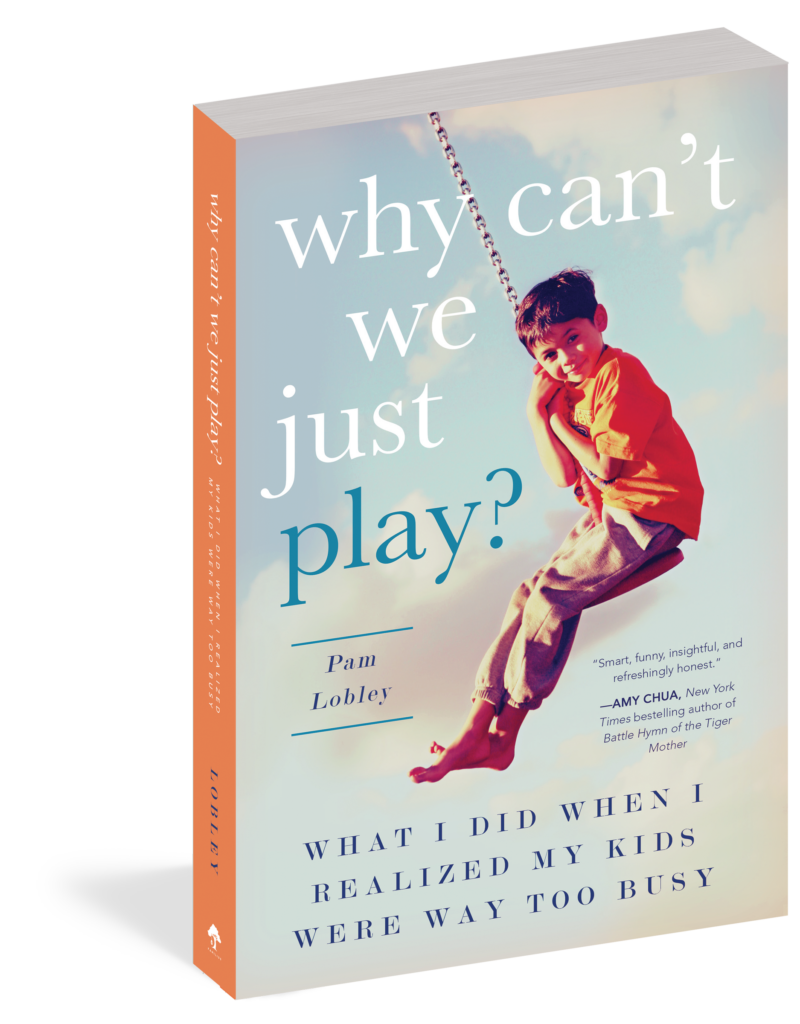
Why Can’t We Just Play

Autonomy-Supportive Parenting
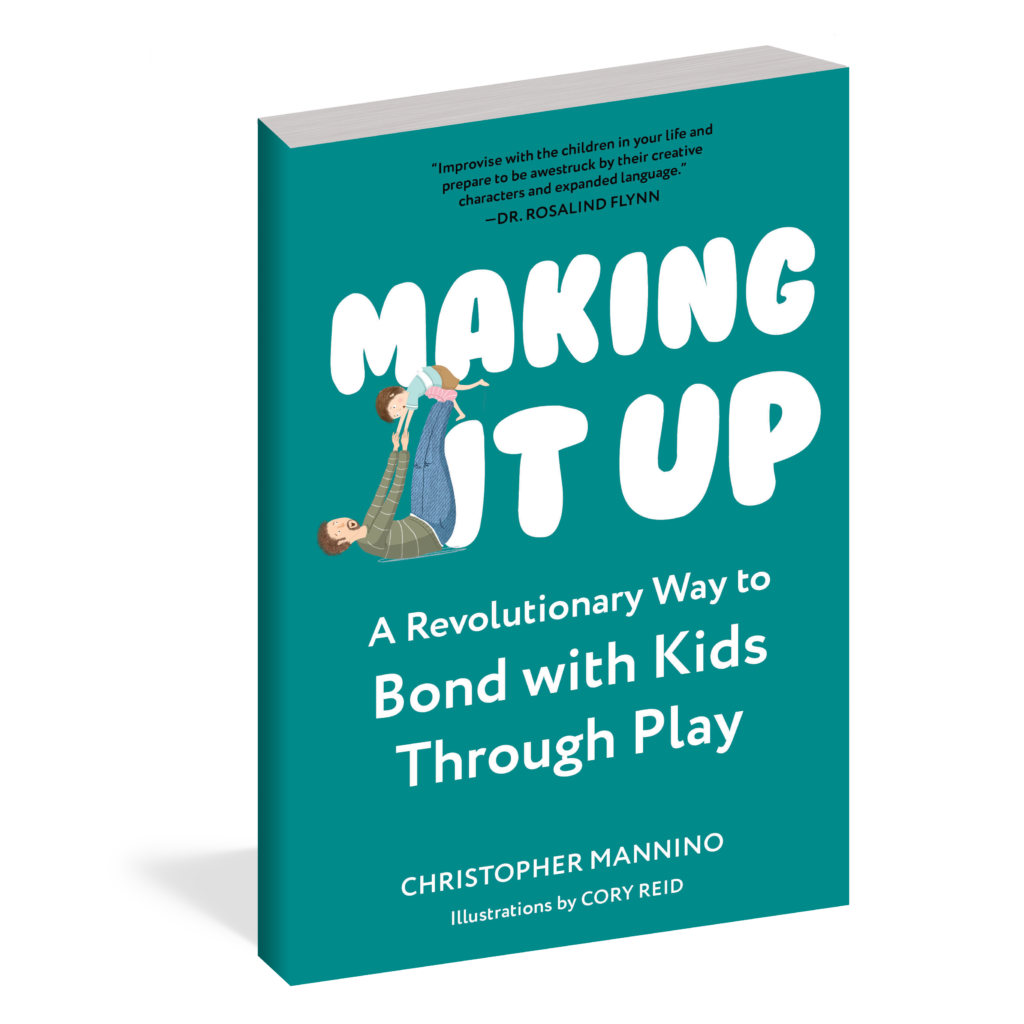
Making It Up
Shaelyn Topolovec earned a BA in Editing and Publishing from BYU, worked on several online publications, and joined the Familius family. Shae is currently an editor and copywriter who lives in California’s Central Valley.