

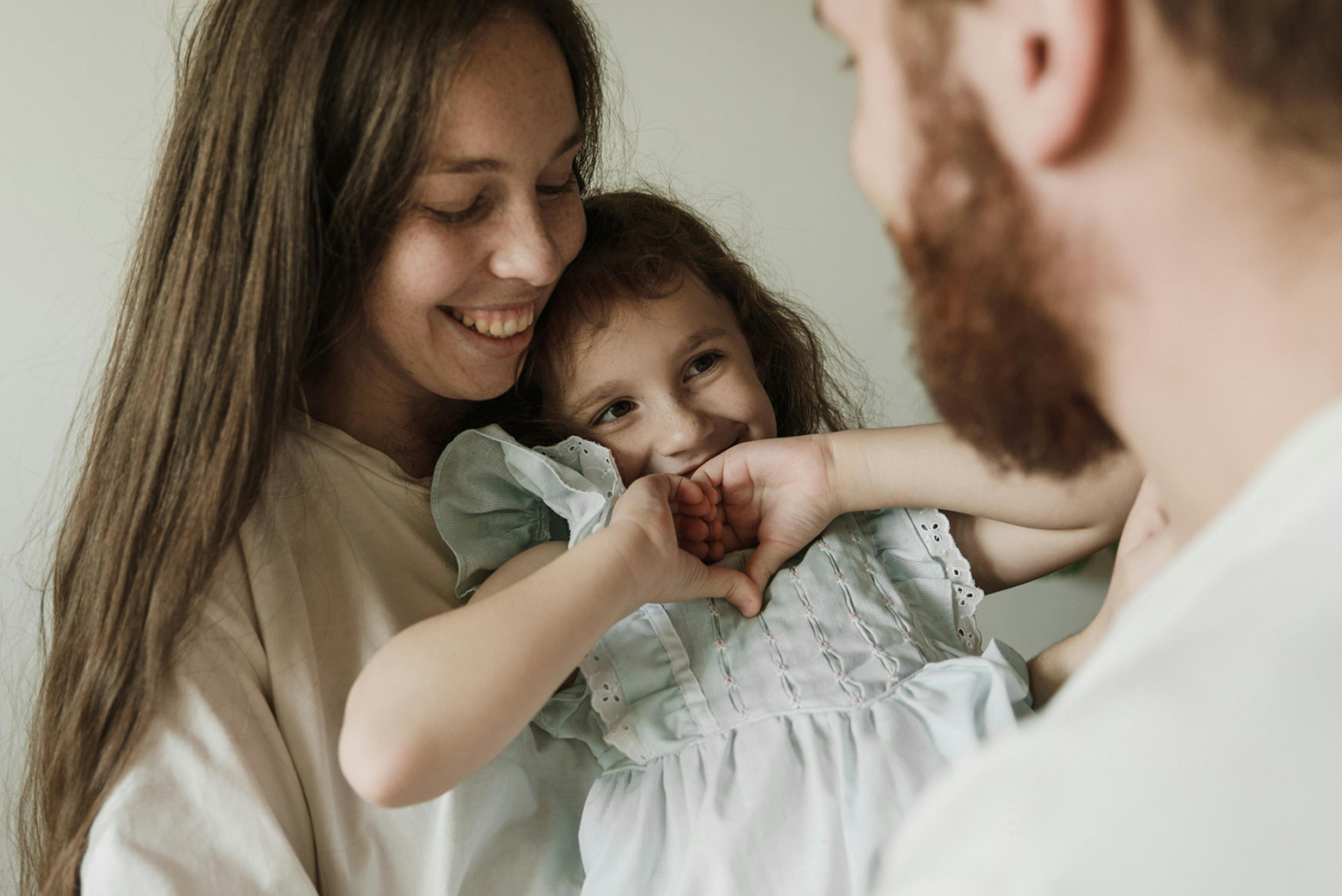
Discover simple acts of kindness for kids, and teach them how small acts can make a big impact at home, school, and in the community!
Teaching kids about kindness isn’t just about making the world a better place—it’s about showing them that their small actions can have a big impact. Kindness doesn’t require grand gestures or lots of money. Sometimes, the tiniest hands can create the biggest ripples in the hearts of others. Here’s how to encourage simple, meaningful acts of kindness for kids.
Why Kindness Matters
Kindness isn’t just about being nice; it’s about empathy, generosity, and connection. Studies show that practicing kindness can boost happiness, reduce stress, and even improve physical health. For kids, it’s a way to build social-emotional skills and self-esteem, strengthen friendships, and learn the value of helping others. Plus, when kids engage in acts of kindness, they experience firsthand how they can make a difference, no matter their size or age.
The Ripple Effect of Kindness
Kindness has a way of coming full circle. When kids see the joy they’ve brought to someone else, it inspires them to keep going. Even better? Their acts can inspire others to pay it forward, creating a chain reaction of positivity.
Simple Acts of Kindness Kids Can Try
The best thing about kindness? It’s contagious! Here are some easy ways kids can spread kindness in their homes, schools, and communities:
1. The Power of a Smile
A smile can brighten anyone’s day. Encourage your child to smile at classmates, neighbors, or even a stranger passing by. It’s free, effortless, and often leads to more smiles in return.
2. Handwritten Notes
In the age of texts and emails, a handwritten note feels extra special. Kids can write thank-you notes to teachers, “thinking of you” messages to friends, or a simple “I’m glad you’re my friend” card to someone who might need a pick-me-up.
3. Sharing is Caring
From toys to snacks, sharing is a tangible way kids can show generosity. Whether it’s offering half of their sandwich to a classmate who forgot lunch or letting a sibling borrow a favorite toy, sharing builds bonds.
4. Help at Home
Kindness starts at home. Encourage kids to surprise family members by doing chores without being asked, such as folding laundry, setting the table, or even feeding the family pet.
5. Donate Old Toys and Clothes
Kids outgrow things quickly, but those toys and clothes can still bring joy to others. Let them pick items they’re ready to part with and explain how their donation can help another child in need.
6. Compliment Someone
A sincere compliment goes a long way. Teach your child to notice and celebrate others’ efforts, whether it’s a friend’s artwork, a sibling’s hard work, or a teacher’s cool shoes.
7. Create “Kindness Rocks”
Kindness rocks are painted stones with uplifting messages like “You’re amazing!” or “You’ve got this!” Kids can decorate these stones and leave them around the neighborhood for others to find—a delightful way to spread unexpected joy.
Group Activities
Sometimes kindness is even better when shared with friends. Here are a few group-friendly kindness ideas:
8. Neighborhood Cleanup
Organize a cleanup day where kids collect litter from parks or sidewalks. It’s a great way to teach responsibility for the environment while making their community look beautiful.
9. Bake and Share
Kids love baking! Turn a fun kitchen session into an act of kindness by delivering homemade cookies to neighbors, local firefighters, or the school nurse.
10. Host a Kindness Drive
Gather a group of kids to collect canned goods, school supplies, or winter coats for donation. They’ll see how their teamwork can create a significant impact.
11. Kindness Coupons
Get creative with kindness coupons! These can include offers like “I’ll help you with homework” or “Free hug anytime.” Kids can make these for family, friends, or classmates to redeem whenever they need a little extra help or love.
Acts of Kindness That Cost Nothing
Kindness doesn’t have to cost money. Here are ways kids can make an impact for free:
12. Offer to carry someone’s groceries or help a teacher tidy up the classroom.
13. Call a grandparent or relative to say hello and ask about their day.
14. Pick flowers (from your own yard, of course!) and gift them to someone.
15. Hold the door open for others or let someone else go first in line.
16. Cheer for a teammate, even if they didn’t win.
Kindness Challenges to Keep Things Fun
Make kindness exciting by turning it into a challenge!
The “One Kind Thing a Day” Challenge
Encourage your child to do one kind thing every day for a month. Keep track of their acts on a chart, and celebrate their efforts at the end.
Random Acts of Kindness Bingo
Create a bingo card filled with simple acts of kindness. As kids complete each square, they move closer to a “kindness bingo” win.
A Reminder for Parents
Sometimes kids might hesitate to act kindly because they’re shy or unsure. Remind them that kindness isn’t about perfection—it’s about trying. Their effort, no matter how small, makes a difference.
Little Hands, Big Hearts
When we teach kids that kindness is important, we’re not just shaping their character—we’re shaping the future. Their small acts can inspire others, creating a world that feels a little brighter and a lot more connected.
So, whether it’s a smile, a hug, or a simple “thank you,” encourage your child to start spreading kindness today. After all, their little hands hold the power to leave a big impact on the world around them.
Discover More Ways to Teach Kids Kindness

I Dig Being Kind

Kindness Rocks

1001 Ways to Be Kind
Shaelyn Topolovec earned a BA in Editing and Publishing from BYU, worked on several online publications, and joined the Familius family. Shae is currently an editor and copywriter who lives in California’s Central Valley.