

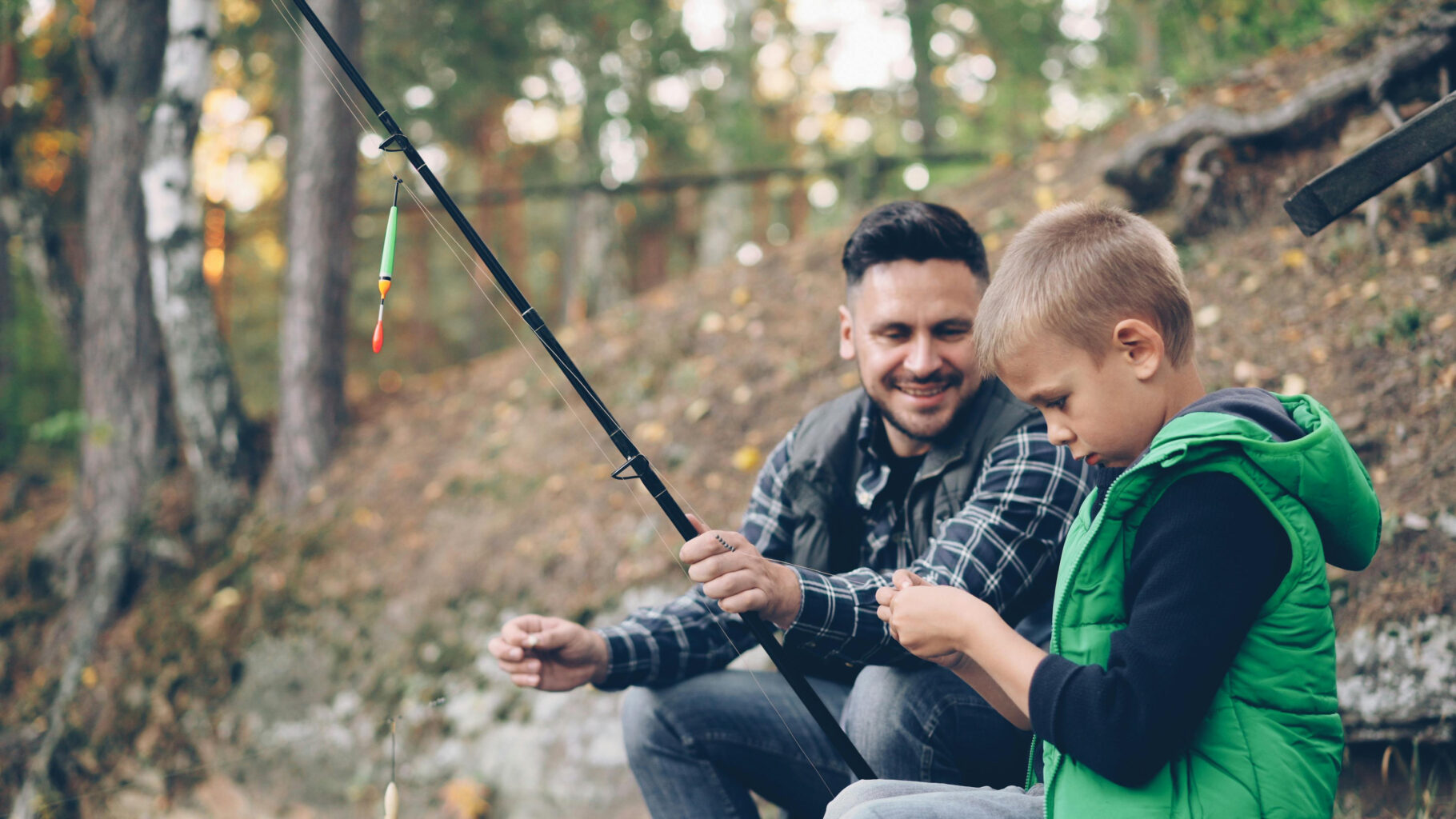
Practice eco-friendly fishing habits with these 5 easy tips to protect fish and habitats. Perfect for families and young anglers!
Teaching your kids eco-friendly fishing habits is the best way to ensure our local ponds and rivers stay healthy. You don’t need to be a professional to make a difference; conservation is really just a collection of small, thoughtful choices made at the water’s edge. By practicing these easy habits, your family can enjoy the thrill of the catch while also acting as protectors of the great outdoors.
1. Practice Mindful Catch and Release
The most impactful of all eco-friendly fishing habits is deciding whether to keep a fish or let it go. While keeping a fish for dinner can be a rewarding experience, choosing to release your catch ensures there are plenty of fish left for others to enjoy. Talk with your kids about the importance of leaving some of the biggest or rarest fish in the water so they can grow and lay eggs. Being mindful of the local fish population is the first step toward being a true steward of the water.
2. Wet Your Hands Before Touching Fish
Always dip your hands in the water before touching your catch. This simple step is vital for protecting a fish’s slime coat, a slippery layer that acts as armor against germs and infection. Touching a fish with dry hands or a towel can rub that protective coating off, leaving the fish vulnerable. By making wet hands one of your fishing habits, you ensure the fish stays healthy and strong after it swims away.
3. Keep a Scrap Line Jar in Your Gear
Discarded fishing line is a major hazard for birds and turtles, but it is entirely preventable. Eco-friendly fishing means never leaving tangled “bird’s nests” or clipped ends of line on the bank. Keep a small jar or bag in your tackle box specifically for scrap line. When you get home, you can cut the line into small pieces and put it in the trash so it can’t harm any wildlife.
4. Switch to Non-Toxic Weights
Traditional lead weights (sinkers) can be harmful to water birds if they are lost in the water and accidentally swallowed. A fantastic update to your eco-friendly tackle box is swapping lead for safer materials like steel, tin, or tungsten. These non-toxic alternatives can work just as well as lead but are much safer for the ducks, loons, and swans that share the water with the fish.
5. Use Barbless or Circle Hooks
For families who choose to release their catch, the hooks you use make a big difference. Using circle hooks or “pinching” the barbs down on your hooks with pliers are a great solution to a common problem: These hooks are much easier to remove and cause less stress to the fish. A faster release means the fish can get back to its home quickly and safely.
Protect the Magic of the Outdoors
Conservation doesn’t need to be overwhelming or hard; it’s about lifting where you stand. By bringing these simple eco-friendly fishing habits to the water, your family can help protect the magic of the outdoors for the next generation of explorers.
Upgrade Your Fishing Adventures with These Books
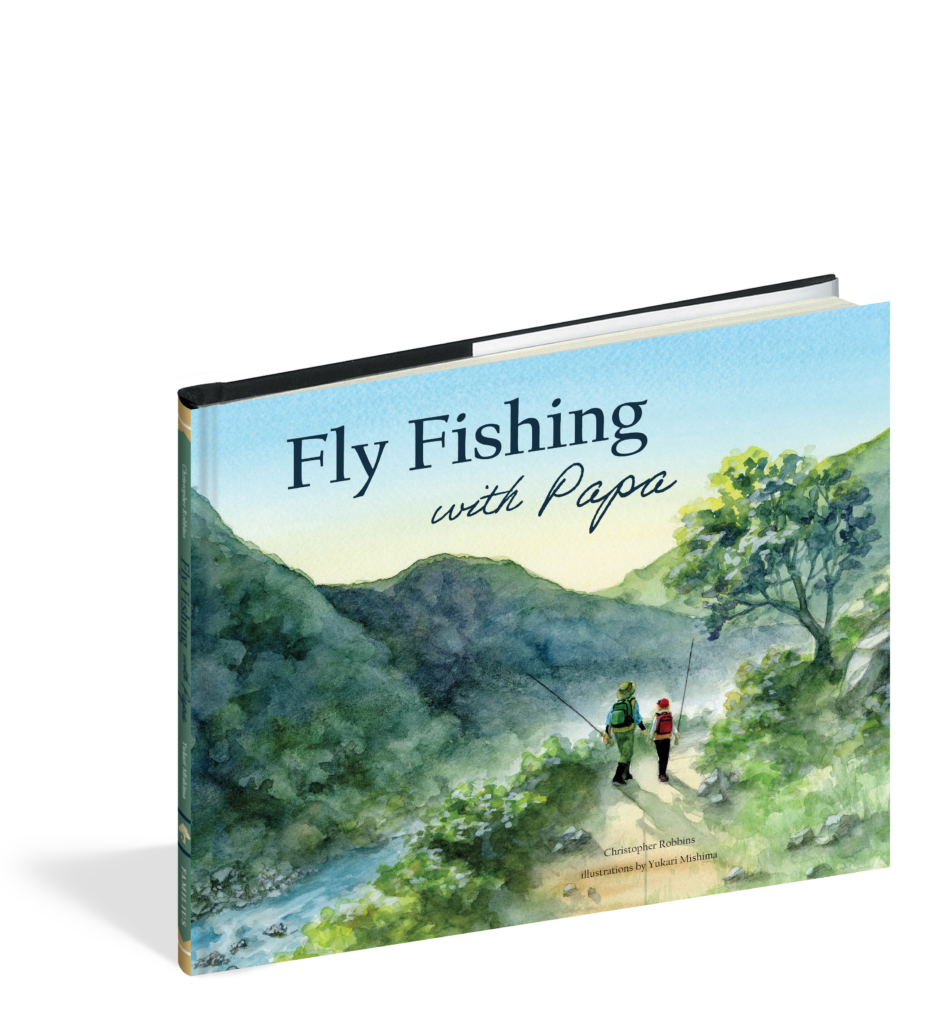
Fly Fishing with Papa

The Blue Canoe
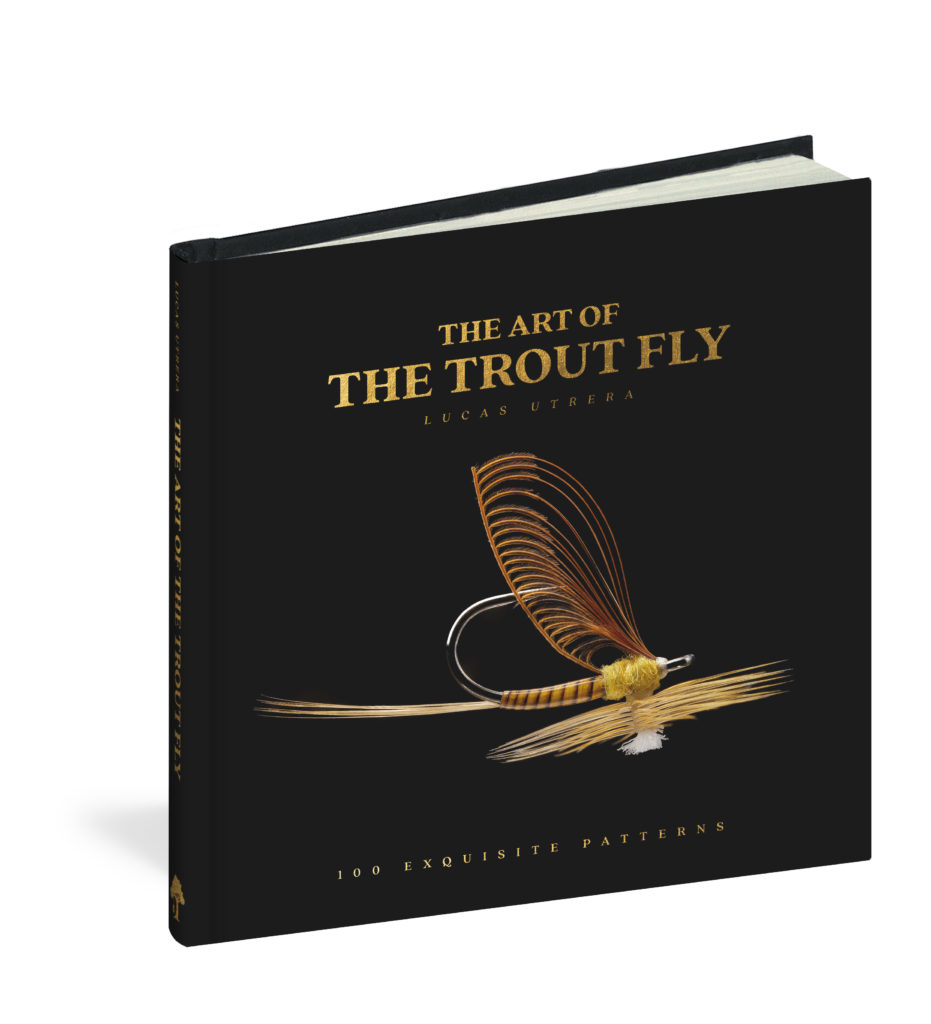
The Art of the Trout Fly
Shaelyn Topolovec earned a BA in Editing and Publishing from BYU, worked on several online publications, and joined the Familius family. Shae is currently an editor and copywriter who lives in California’s Central Valley.