

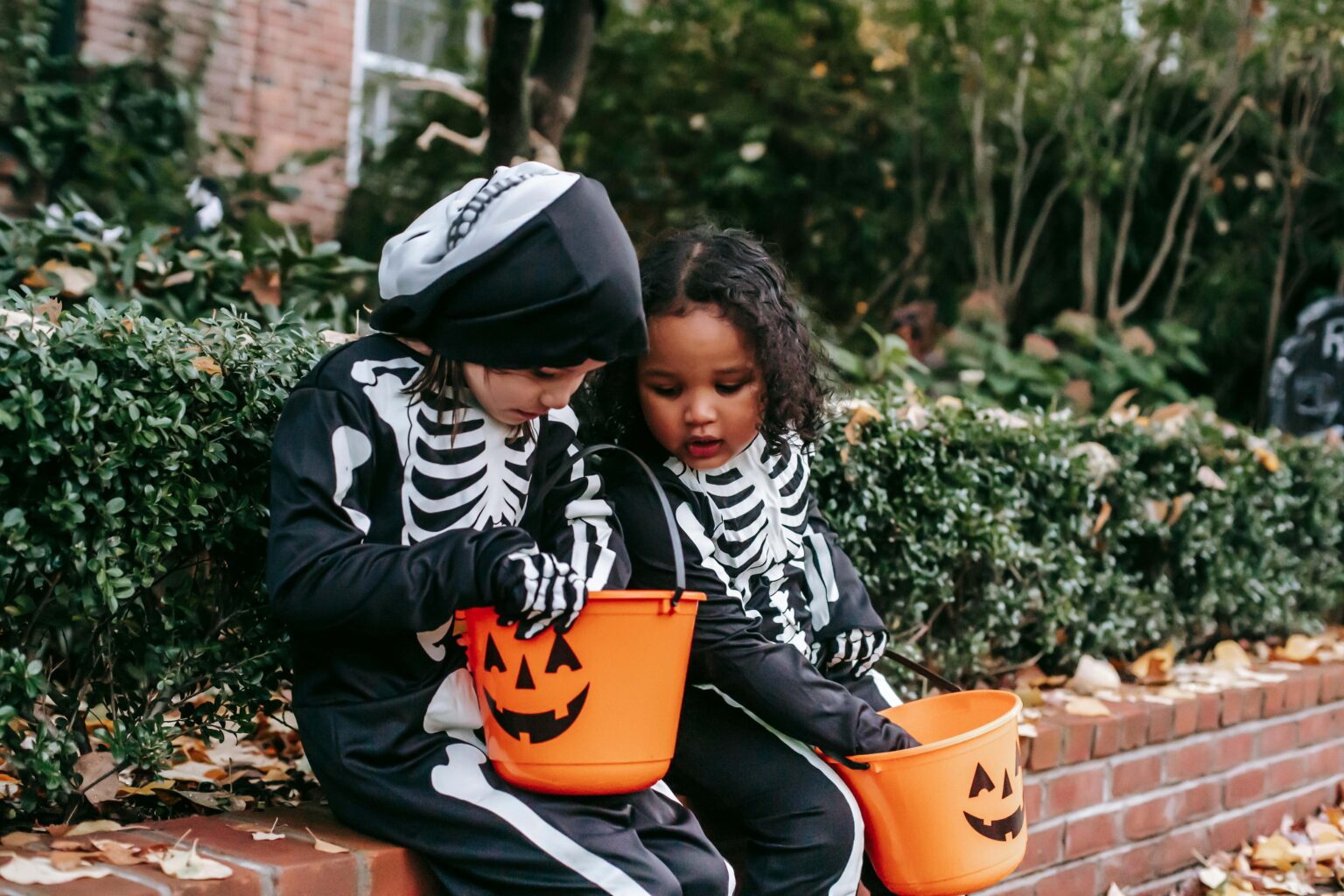
Discover how a candy sharing game teaches kids teamwork, fairness, and compromise—with simple tips for post-Halloween harmony.
It’s that magical time of year when kids pour their trick-or-treat loot across the floor like treasure spilling from a pirate chest. There are squeals, trades, and maybe a few dramatic “That’s mine!” moments. But before you step in to referee, pause for a moment—because that little pile of candy can turn into something unexpectedly valuable: a candy sharing game that teaches teamwork, empathy, and the art of compromise.
When children learn to trade and share candy, they’re doing far more than sorting sweets. They’re practicing communication, fairness, and emotional awareness in a setting that feels fun, not forced. With a few gentle nudges from you, the humble candy sharing game can become one of your favorite fall traditions.
Why Candy Sharing Matters
Halloween candy is practically currency for kids—it’s exciting, emotional, and personal. That’s what makes it such a powerful tool for learning.
Sharing candy isn’t always easy. To a child, giving up a favorite chocolate can feel like losing a prized possession. But when you turn that challenge into a candy sharing game, you give them a safe, playful space to work through those feelings and discover what fairness really looks like.
This kind of activity helps children understand that fairness doesn’t always mean exactly equal. Sometimes, it means listening, negotiating, and finding a solution everyone can live with. It’s a hands-on way to build empathy, patience, and teamwork—skills that will stick long after the sugar rush fades.
Turning Candy Chaos into a Candy Sharing Game
You don’t need fancy supplies or a classroom to make this game work. Just grab the candy, set a few ground rules, and watch the lessons unfold.
1. The Divider and Chooser Trick
This classic candy sharing game is simple and surprisingly effective. One child divides the candy into two piles they think are fair. The other child gets to choose which pile they want.
Suddenly, the divider has every reason to make those piles as even as possible! It’s a gentle way to teach fairness and empathy—because they have to think about what someone else might consider fair.
2. The Candy Swap Round
Once everyone’s candy is sorted, open the floor for trades. Let the kids negotiate: “I’ll give you two lollipops for your peanut butter cup.” It’s negotiation 101, only sweeter. Encourage them to explain their trades and listen to each other’s preferences. This candy sharing game builds communication skills and teaches compromise naturally—without a lecture in sight.
3. The Candy Lottery
When there’s an odd number of candies or a super-special piece that everyone wants, flip a coin or draw straws.
By adding a touch of chance, you remove the sense of favoritism or unfairness. Everyone knows the outcome was random, which makes it easier for kids to accept. Plus, the suspense makes it more fun!
4. The Candy Tower Challenge
For a little teamwork twist, give your kids a mix of candies, toothpicks, or pretzel sticks, and challenge them to build the tallest candy tower they can. Before they start, they have to decide how to share the candy supplies.
They’ll quickly see that good planning—and fair sharing—make for a stronger tower. It’s a playful reminder that teamwork really is the foundation for success.
Tips for Parents to Encourage Sweet Cooperation
You don’t have to overthink it. Just a few intentional choices can help turn your family’s candy sharing game into a meaningful moment.
1. Lead by example.
Show your kids what sharing looks like by offering your own treats or trading with them for fun. Kids mirror generosity when they see it in action.
2. Let them make the rules.
Ask questions like “How can we make this fair for everyone?” or “What should happen if two people want the same candy?” Giving them a say makes them more invested in the process.
3. Praise the process, not the pile.
Focus on kindness, fairness, and teamwork—not who got the most candy. Say things like, “I love how you worked that out together,” or “You handled that trade so nicely.”
4. Keep it lighthearted.
If things get heated, remind everyone it’s just candy! Humor goes a long way toward cooling off sugar-fueled tempers.
5. Turn it into a yearly ritual.
Make the candy sharing game part of your Halloween tradition. Over the years, it’ll shift from a sugar rush scramble to a warm, cooperative family moment.
What Kids Learn from a Candy Sharing Game
The beauty of a candy sharing game is that kids absorb big lessons while they’re just having fun. Here’s what’s happening beneath the sugar-coated surface:
Empathy in Action
When kids consider someone else’s preferences (“She really likes those sour gummies”), they practice empathy. They learn to see beyond their own desires, an essential skill for healthy relationships later on.
Fairness with Flexibility
They discover that fairness isn’t always about strict equality. Sometimes it means giving a little extra to keep the peace or recognizing when a friend values something more.
Communication and Confidence
Negotiating trades helps kids articulate what they want and understand others’ points of view. It builds assertiveness and listening skills, which go hand in hand.
Resilience and Acceptance
Not every trade will go their way. And that’s okay. Handling disappointment gracefully is an important life skill—and it’s a little easier to practice when the stakes are as small as a candy bar.
Teamwork That Sticks
Whether they’re dividing, swapping, or building candy towers, kids learn that working together usually leads to better outcomes. It’s teamwork in its sweetest form.
A Few Extra Fun Ideas
Want to mix it up even more? Here are some quick ways to keep your candy sharing game fresh:
- Candy Math: Have kids count and sort their candy into groups—by color, size, or type—and then use those groups for trades. (They’re practicing math without even realizing it.)
- Family Candy Auction: Give everyone play money or tokens. Hold an auction for the “big ticket” treats! It’s hilarious and surprisingly educational about budgeting and value.
- Group Treat Creation: Have everyone contribute a few candies to make one big family dessert—like candy bark or cookie toppings. When the final treat is shared, everyone gets a taste of teamwork.
Sweet Lessons, Sweeter Memories
When your kids look back on Halloween, they might not remember exactly how much candy they got—but they will remember the fun they had working together, trading, and laughing. The candy sharing game turns what could be a sugar-filled free-for-all into something meaningful: a time to practice empathy, fairness, and compromise in the sweetest way possible.
Make this Halloween Even Sweeter with These Spooky Stories

If You’re Scary and You Know It

Monster Mix & Match

Marvin’s Monster Diary 3: Trouble with Friends
Shaelyn Topolovec earned a BA in Editing and Publishing from BYU, worked on several online publications, and joined the Familius family. Shae is currently an editor and copywriter who lives in California’s Central Valley.