

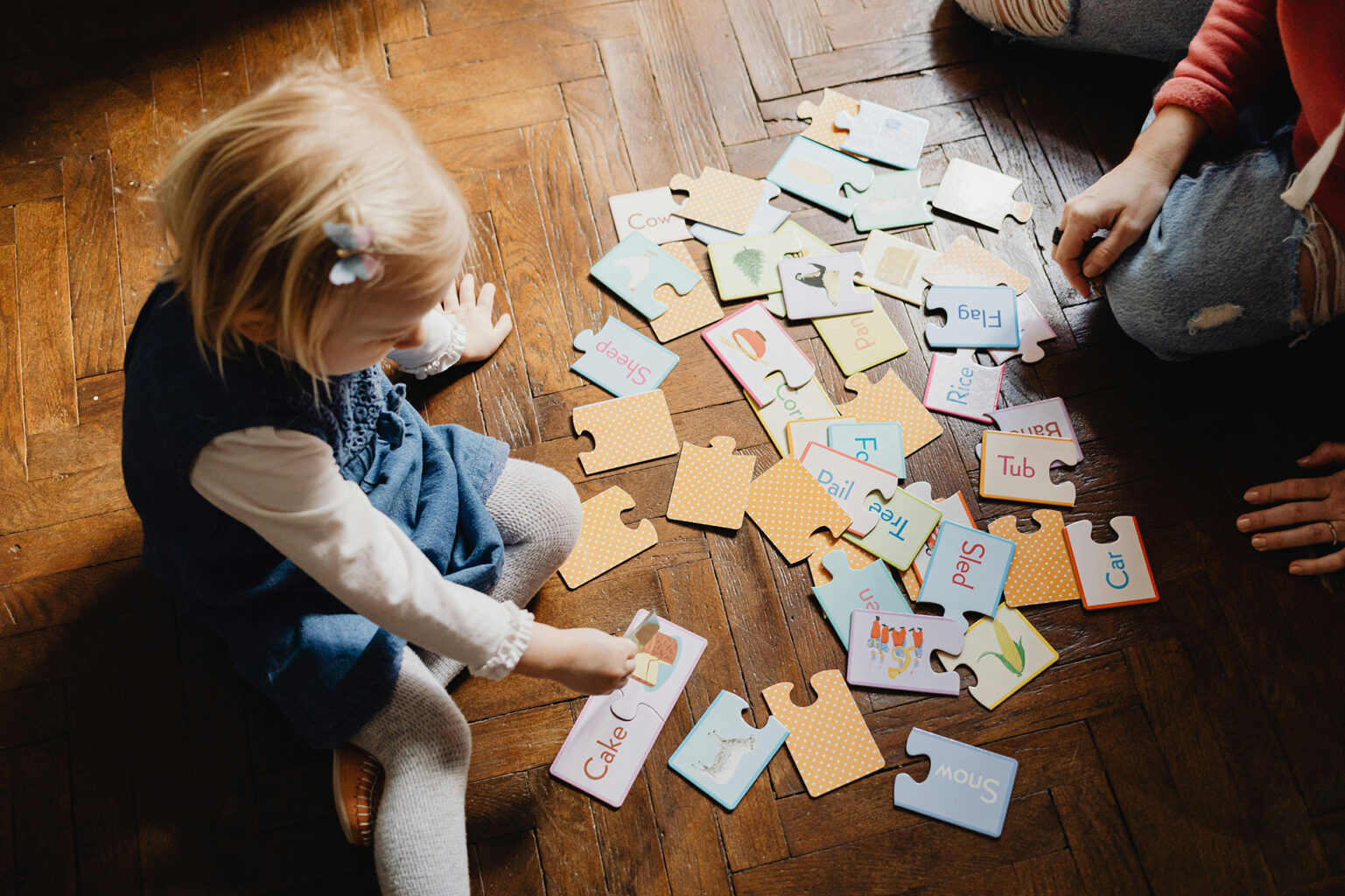
Learning a language with kids can be playful and joyful—discover ten simple, fun ways to make it part of everyday life.
If you’ve ever dreamed of your family speaking another language together—or if you simply want your kids to get a head start—there’s no better time to begin. Learning a language with kids doesn’t have to mean flashcards at the kitchen table or overwhelming apps. Instead, it can be woven into your family’s daily life in fun, creative, and memorable ways.
Whether you’re hoping to preserve heritage, prepare for travel, or just embrace the benefits of bilingualism, learning together can bring laughter, confidence, and deeper family connections. Here are ten fun ways to start learning a language with kids and keep it going.
1. Start with Daily Routines
One of the easiest ways to begin learning a language with kids is by incorporating it into what you already do.
- At breakfast, ask “¿Leche o agua?” instead of “Milk or water?”
- At bedtime, say “Bonne nuit” instead of “Goodnight.”
- While cooking, swap “spoon” for “cuillère” or “cuchara.”
Because routines are predictable, kids quickly pick up phrases and feel successful early on.
2. Label the House
Turn your home into a living classroom by putting sticky notes or printable labels on common items. A label that reads door/puerta or chair/chaise reinforces vocabulary every time someone passes by.
The visual cue plus the repeated exposure helps words stick—and makes learning a language with kids as simple as walking from room to room.
3. Make It a Game
Play makes everything easier. Try these ideas:
- Language Bingo: Use pictures and words in the new language.
- Treasure Hunts: Hide clues in the target language.
- Storytime Switch: Read a favorite book and swap pages or characters into the second language.
When it feels like playtime, kids forget they’re even learning.
4. Create Theme Days
Choose a weekly “theme day” for your new language. For example, “Food Friday” could become “Comida Friday.” Cook a dish from the culture, use only that language at the table, and celebrate with music from that region.
These mini-rituals give everyone something to look forward to and anchor learning a language with kids in meaningful traditions.
5. Sing and Dance It Out
Kids retain words better when music is involved. Create a family playlist of songs in the language you’re learning and play it in the car, during chores, or at dance parties. Nursery rhymes, lullabies, and simple choruses are especially sticky for little learners.
Singing and moving together turn learning a language with kids into a memory-making experience.
6. Movie Nights with Subtitles
Pick short films, cartoons, or family-friendly movies in the target language. Start with subtitles on, then gradually turn them off as confidence grows. Rewatching favorites helps kids hear patterns and catch new words each time.
Movie nights show that learning a language with kids can be cozy and entertaining—not just another task.
7. Keep It Short and Sweet
On busy days, don’t worry about marathon sessions. Even five minutes counts. Greeting each other, naming three objects in the room, or saying “thank you” in the target language builds habits without stress.
Consistency beats intensity when it comes to learning a language with kids.
8. Celebrate Small Wins
Kids thrive on encouragement. Celebrate milestones like:
- Saying their first sentence on their own.
- Remembering a new word without prompting.
- Using a phrase naturally at the dinner table.
Use sticker charts, high fives, or even small treats. These moments keep motivation high and make learning a language with kids feel rewarding.
9. Bring in Books and Apps
Make storytime bilingual by choosing books in your target language, or alternate pages between English and the second language. Pair with kid-friendly apps like Little Pim, Gus on the Go, or the family plan in Duolingo to supplement learning.
Mixing tech and tactile reading ensures learning a language with kids appeals to different ages and learning styles.
10. Connect with a Community
Look for local or online groups where families meet to practice languages together. Kids benefit from hearing new voices, accents, and perspectives. Even grandparents, cousins, or neighbors can join in.
Sharing the journey keeps everyone engaged and shows that learning a language with kids is about connection as much as communication.
Why It Works
Learning a new language isn’t just about vocabulary—it’s about building empathy, curiosity, and confidence. When parents and children learn side by side, kids see that mistakes are part of growth and that even adults are lifelong learners.
Just One Word a Day
Learning a language with kids doesn’t have to be perfect; it just has to be consistent, playful, and woven into real life. Over time, these everyday moments add up to something extraordinary: a shared skill that connects your family to the world in new ways.
Whether you’re cooking together, labeling the fridge, or singing bedtime songs in another tongue, every small effort matters. Learning a language with kids isn’t about fluency overnight—it’s about creating meaningful family memories, opening doors to new cultures, and giving your children a lifelong gift.
Start with one idea from the list, keep it fun, and let the journey unfold. Soon, your kids will surprise you with how much they’ve absorbed—and you’ll be proud of how much you’ve grown right alongside them.
Discover Our Family-Friendly Language Books
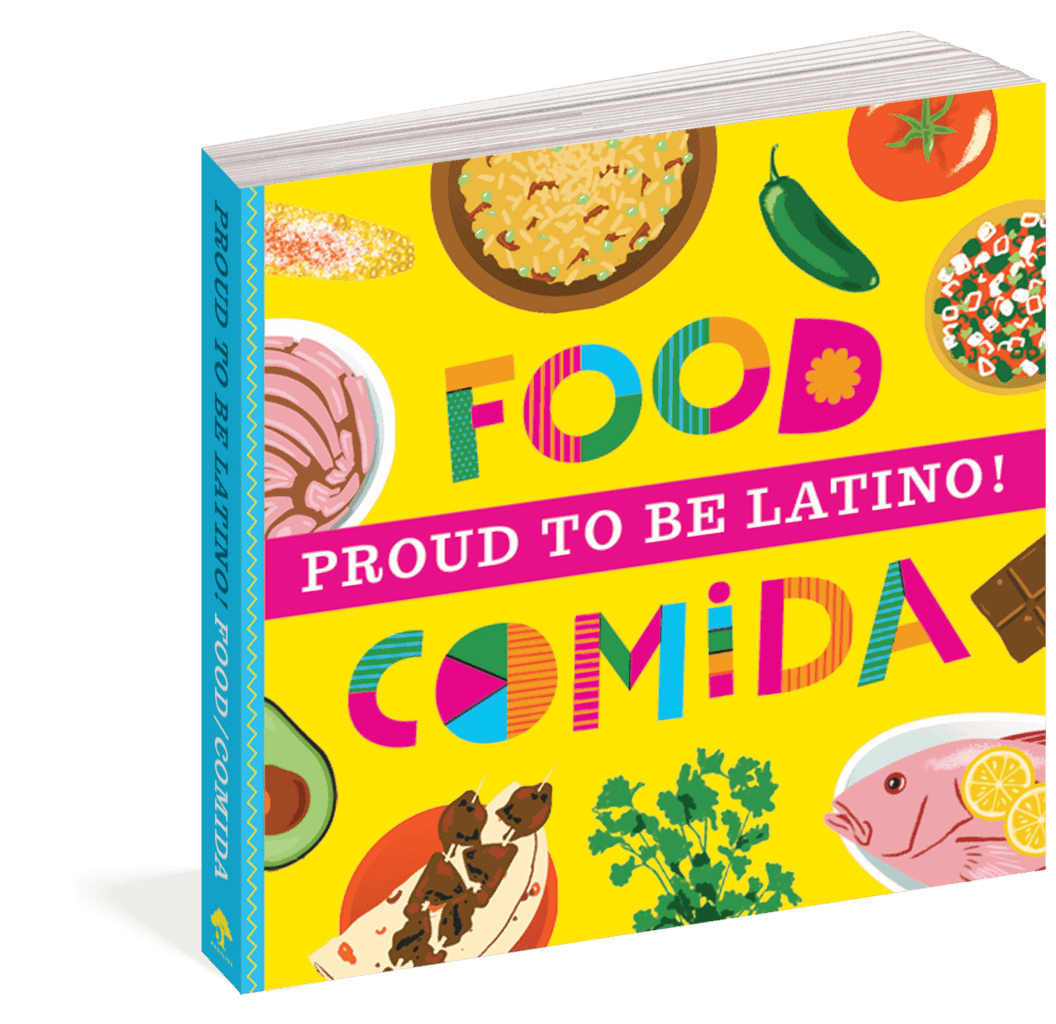
Proud to Be Latino: Food/Comida

Nita’s First Signs
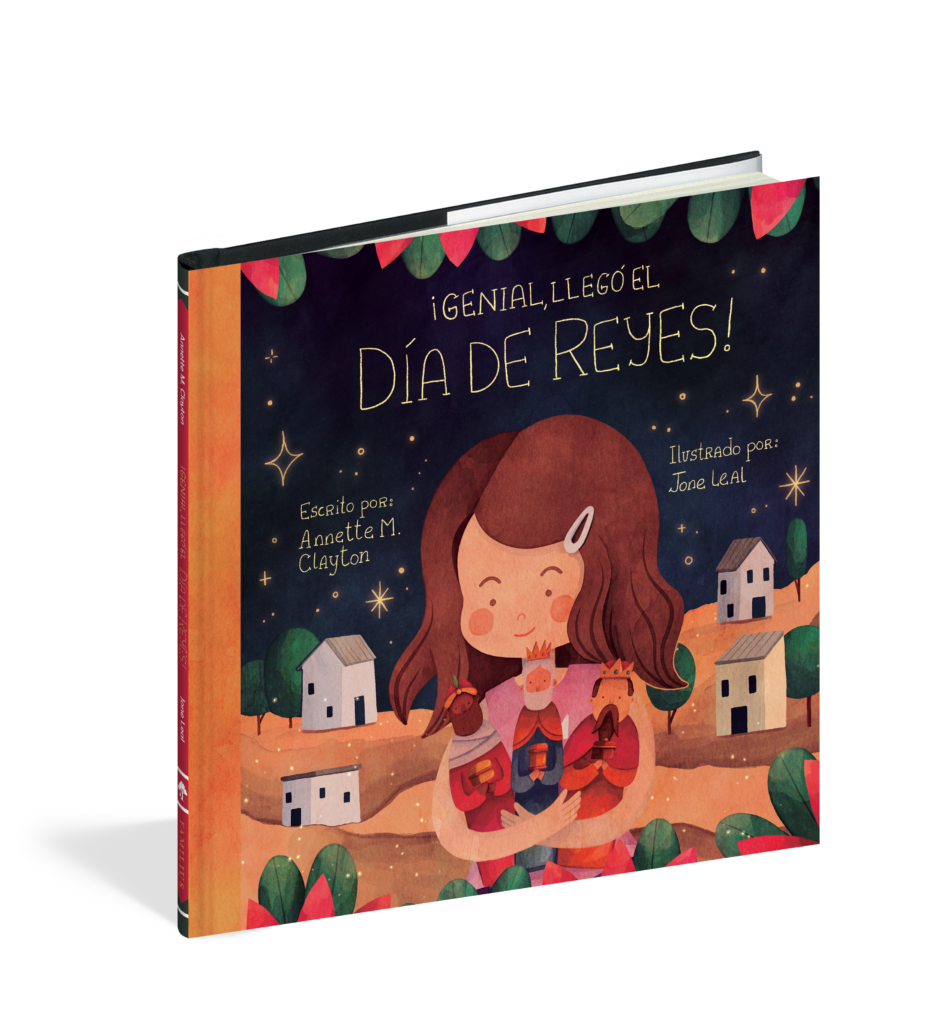
¡Genial, llegó el Día de Reyes!
Shaelyn Topolovec earned a BA in Editing and Publishing from BYU, worked on several online publications, and joined the Familius family. Shae is currently an editor and copywriter who lives in California’s Central Valley.