


New to feeding and pumping? This breast milk FAQ answers all your questions—from storage to “pump and dump”—with tips every new mom needs.
Welcome to the wild and leaky world of feeding your baby! If you’re pumping, nursing, storing, or nervously sniffing a questionable bottle in the fridge, you’ve probably Googled a lot. This breast milk FAQ is here to help you sort fact from foggy bottle myths, with straight answers to the most searched (and stressed about) questions new moms ask.
How long does breast milk last in the fridge?
Up to four days. That’s the general rule according to the CDC. Store it in the back of the fridge where it’s coldest, and make sure your fridge stays below 40°F (4°C). Anything older than four days? It’s time to say goodbye.
Mom hack: Always label your milk with the date and time—your future sleep-deprived self will thank you.
How long can breast milk sit out?
If it’s freshly pumped, breast milk can sit at room temperature (around 77°F or 25°C) for up to four hours. If your baby doesn’t drink it right away, that’s okay—but don’t stretch it past four hours.
And if your home is warmer (hello, summer), aim for two hours to be safe.
Can I freeze breast milk?
Yes, and please do if you’re building a stash! Just make sure you:
- Use breast milk storage bags or clean, BPA-free containers
- Leave a little space at the top (milk expands when frozen)
- Store in small portions (2–4 oz) to avoid waste
Here’s how long breast milk lasts in the freezer:
- Standard freezer: Up to six months
- Deep freezer: Up to 12 months
According to the American Academy of Pediatrics, using frozen milk within 6 months gives your baby the best nutrients.
Can I reheat breast milk more than once?
Nope—only once. Reheating more than once can break down nutrients and increase bacteria. If your baby doesn’t finish the bottle, it can sit at room temp for up to two hours, and then it’s toss time.
Do I have to “pump and dump” after drinking alcohol?
Not always! The idea of pump and dump is mostly outdated. According to Sue Bechold, co-chair of Main Line Health’s Lactation Committee, if you’re sober enough to drive, you’re generally okay to nurse.
But if you’ve been drinking heavily (and frequently) or have taken medication not safe for breastfeeding, then you may need to pump and discard.
Why does my breast milk smell weird?
If your milk smells soapy or metallic, it could be due to excess lipase, an enzyme that breaks down fats. It’s safe to use, but some babies might reject it.
You can scald your milk before freezing to reduce the smell: heat it in a pan until bubbles form at the edges (not boiling), then cool and freeze.
What’s the best way to warm breast milk?
Skip the microwave—it can cause hot spots and destroy nutrients. Instead:
- Place the bottle in a bowl of warm water
- Run it under warm tap water
- Use a bottle warmer (if you’re fancy like that)
Swirl gently to mix as shaking can damage proteins.
Can I mix fresh and frozen breast milk?
Yes, but only if the fresh milk is chilled first. Let it cool in the fridge before adding it to already frozen milk. And remember to use the oldest date as your countdown clock.
Can I refreeze thawed breast milk?
Sadly, no. Once milk has been thawed, it cannot go back in the freezer. But you do have options:
- Store in the fridge for up to 24 hours
- Leave out at room temp for 1–2 hours if baby might still drink it
Is it normal for breast milk to separate?
Totally normal! Breast milk often separates into layers when stored. The fatty cream floats to the top. Just swirl (don’t shake!) it gently to remix.
What’s the best way to store breast milk?
Here’s your cheat sheet for safe, stress-free storage:
- Use breast milk storage bags or clean containers with lids
- Label with date and time
- Store in small amounts (2–4 oz)
- Use the oldest milk first
How do I clean my breast pump parts?
Clean parts after every use with warm, soapy water and air dry. Once a day, sanitize:
- Boil for five minutes
- Use microwave steam bags
- Or run them through a sanitizing cycle in the dishwasher (check labels!)
My frozen milk smells like the freezer—should I toss it?
Not necessarily. Breast milk can absorb odors from your freezer. Store it away from meats and double-bag if needed. If it smells sour or your baby refuses it, it may be time to let it go (cue the Frozen soundtrack).
Final Thoughts: Milk Happens
This breast milk FAQ is just the beginning of your feeding journey, and guess what? You’re doing a great job. There will be leaks. There will be crying (maybe yours). And there will be bottles in the fridge you can’t remember pumping. It’s all part of the process.
The best thing you can do is arm yourself with reliable info, trust your instincts, and ask for help when you need it.
Discover Answers to All Your Most-Stressful Questions
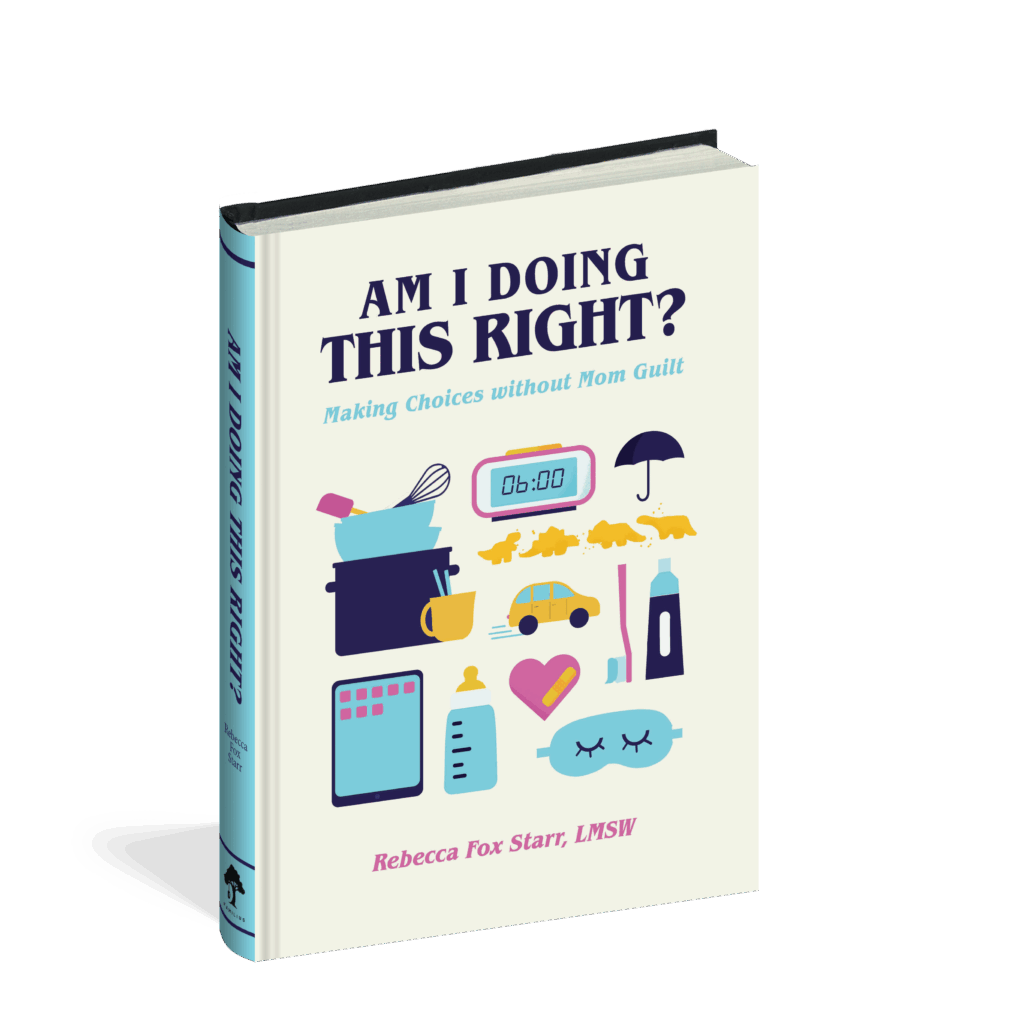
Am I Doing This Right?

You Got This, Mama!
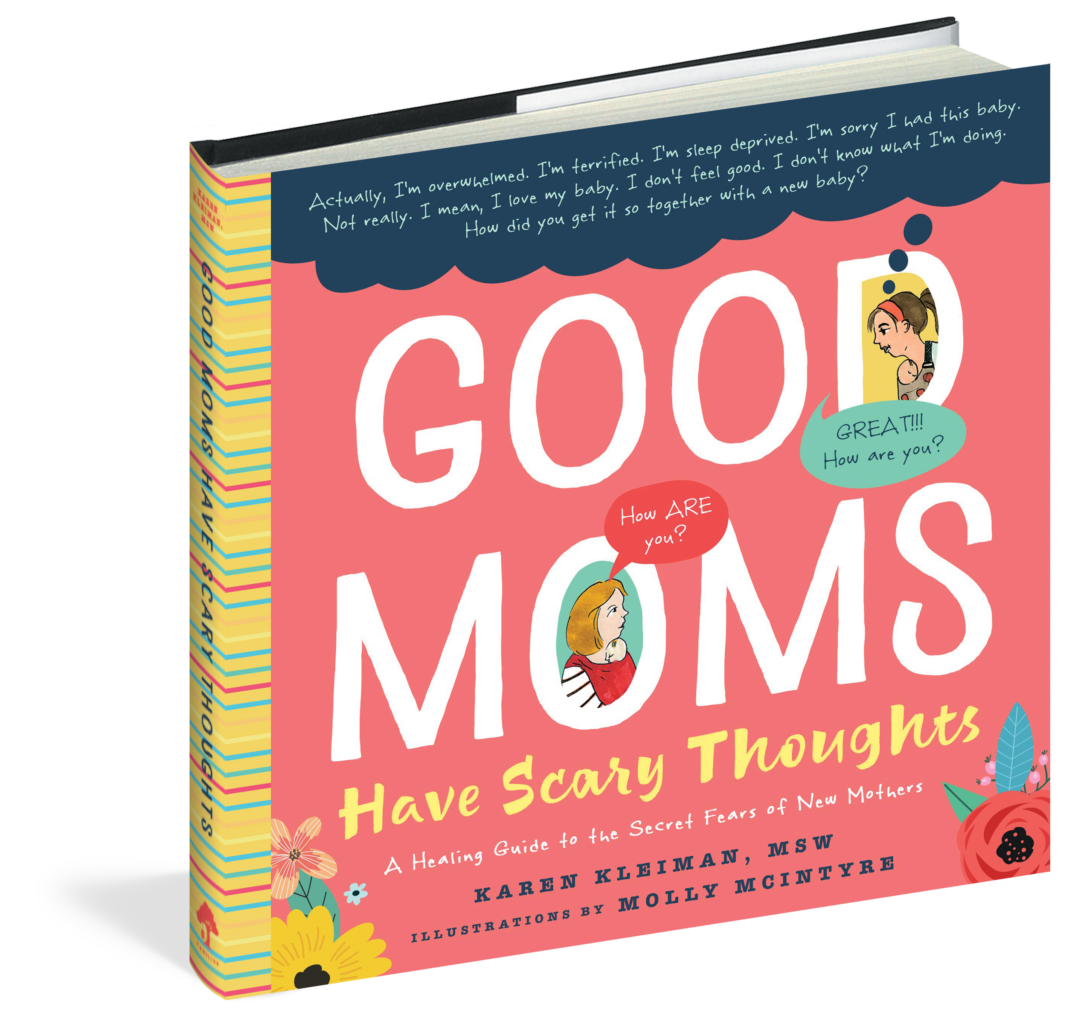
Good Moms Have Scary Thoughts
Shaelyn Topolovec earned a BA in Editing and Publishing from BYU, worked on several online publications, and joined the Familius family. Shae is currently an editor and copywriter who lives in California’s Central Valley.