


Grieving a miscarriage is deeply personal, but you’re not alone. Here’s how to find comfort, support, and healing after loss.
Miscarriage is a deeply painful experience that can leave parents feeling lost and isolated. Whether it happens early or later in pregnancy, it’s important to remember that grief is personal and valid. In honor of Pregnancy and Infant Loss Remembrance Day, we’re here to explore how to deal with the emotions that follow a miscarriage, how to find support, and what to remember during this difficult time.
Acknowledge Your Grief
The first step in coping with miscarriage is acknowledging your grief. It doesn’t matter how far along the pregnancy was; the emotional impact is real. You may feel sadness, anger, guilt, or even numbness. All these feelings are normal. There’s no timeline for grieving, and everyone’s experience is different.
It’s crucial to give yourself permission to feel these emotions without judgment. This isn’t something that can be “fixed” overnight, and trying to rush through the process can make it harder in the long run. Allow yourself to mourn the loss of your baby, and know that it’s okay to not be okay.
Lean on Your Support System
After a miscarriage, it’s incredibly easy to try keeping everything to yourself. Instead, it can be helpful to lean on a support system. This might include your partner, family, friends, or even support groups. Sometimes, just having someone listen to you can make a big difference. You don’t have to go through this alone.
There are also many support groups specifically for parents who have experienced miscarriage. These groups allow you to connect with others who understand what you’re going through and can offer empathy and shared experiences. Whether online or in person, these communities can provide comfort in knowing you’re not the only one feeling the way you do.
Communicate with Your Partner
If you have a partner, remember that they’re grieving too. Miscarriage affects both people in the relationship, even if they show it differently. Open communication is key during this time. While you may not process the loss in the same way, sharing your feelings and supporting each other can strengthen your bond and help you cope as a team.
It’s also important to recognize that your partner might not know how to help. Be honest about what you need—whether that’s space, a shoulder to cry on, or practical help with everyday tasks. This mutual understanding can make the grieving process a little less isolating.
Seek Professional Help
Sometimes, the emotional impact of miscarriage can feel too overwhelming to handle on your own. If you find that grief is affecting your ability to function, or if you’re struggling with feelings of guilt or depression, it may be time to seek professional help.
A therapist or counselor experienced in pregnancy loss can provide tools to navigate your grief. Therapy gives you a safe space to process your emotions, work through difficult thoughts, and take steps toward healing. It’s important to know that seeking help isn’t a sign of weakness—it’s a brave step toward recovery.
Memorialize Your Baby
Creating a way to honor the life of your baby, no matter how brief, can bring comfort to some parents. This could be something as simple as planting a tree in their memory, lighting a candle on special days, or keeping a memory box filled with ultrasound photos or mementos from the pregnancy. Finding a tangible way to remember your baby can help you acknowledge their place in your heart.
For many families, Pregnancy and Infant Loss Remembrance Day, held annually on October 15, is an opportunity to participate in remembrance ceremonies, such as the Wave of Light, where candles are lit around the world in honor of babies lost too soon. Participating in such events can provide a sense of connection and help you feel less alone in your grief.
Understand the Emotions of Grief
Miscarriage can trigger a wide range of emotions, some of which you might not expect. You may feel intense sadness, anger, guilt, or even relief, especially if the pregnancy was complicated or high-risk. All of these feelings are valid and part of the grieving process.
It’s also common to struggle with questions like, “Why did this happen?” or “Could I have done something differently?” It’s important to remind yourself that miscarriage is often out of anyone’s control. Blaming yourself or your body can be harmful and isn’t based on fact. Miscarriage happens more frequently than many people realize, and often, there is no clear reason why.
Give Yourself Time
There’s no set timeline for grief. Some parents may feel ready to move forward after a few weeks or months, while others might find the process takes much longer. Be patient with yourself. Healing doesn’t mean forgetting—it means finding a way to live with the loss in a way that doesn’t overwhelm your daily life.
It’s also worth noting that anniversaries, due dates, or other milestones may trigger emotions, even after time has passed. These moments can bring up fresh waves of sadness or reflection, and that’s okay. Take time for self-care during these periods, and reach out to your support system when needed.
Miscarriage and Future Pregnancies
For many parents, a miscarriage can bring up anxiety about future pregnancies. It’s completely normal to feel scared or worried when thinking about trying again. If and when you feel ready, talk to your doctor about any concerns you have. They can provide reassurance, answer questions, and guide you through the next steps.
It’s also important to remember that you don’t have to rush into trying again. Take the time to heal emotionally and physically before making any decisions. There’s no right or wrong time to try again—it’s all about what feels right for you and your partner.
Healing Looks Different for Everyone
Everyone copes with miscarriage differently, and there’s no “right” way to grieve. Some people find solace in talking about their experience, while others prefer to keep their grief private. You might find peace in creating a memorial, or you might choose to focus on other parts of your life for a while.
No matter what your journey looks like, remember that healing is a personal process. Give yourself permission to grieve in whatever way feels right for you, and don’t be afraid to ask for help when you need it.
Your loss matters, and so does your journey toward healing.
Discover More Ways to Heal from Miscarriage

The Surfer and the Sage
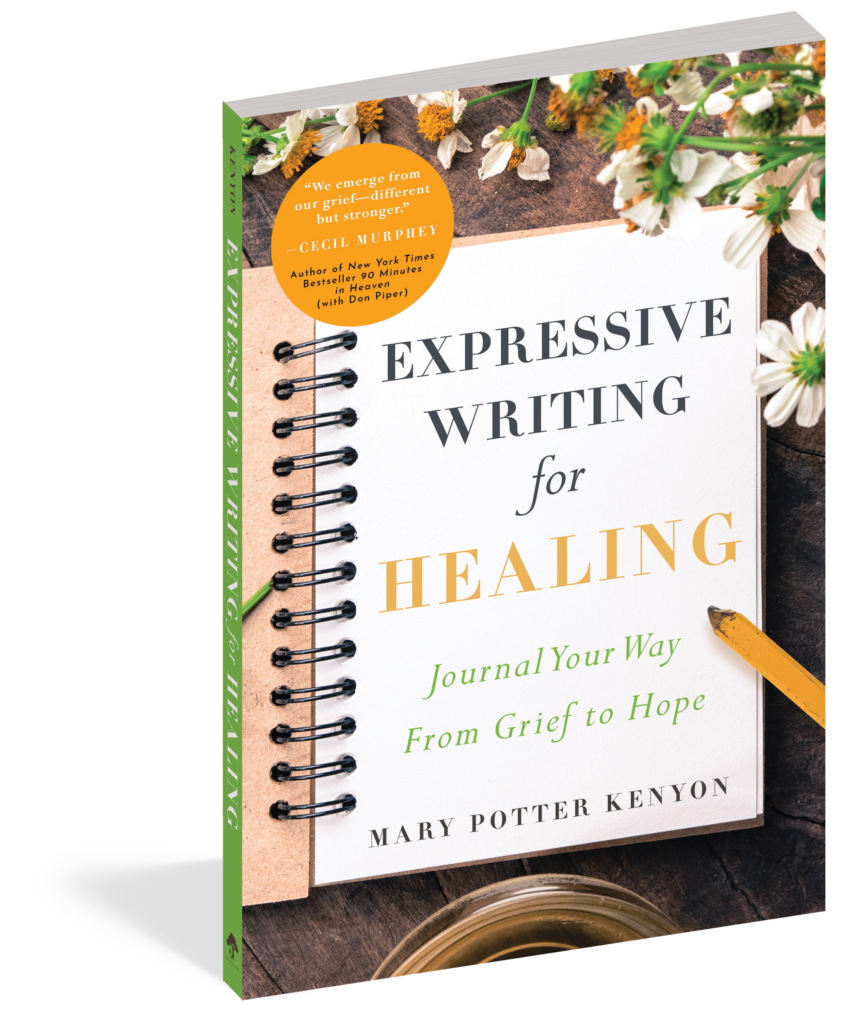
Expressive Writing for Healing

On Loss and Living Onward
Shaelyn Topolovec earned a BA in Editing and Publishing from BYU, worked on several online publications, and joined the Familius family. Shae is currently an editor and copywriter who lives in California’s Central Valley.