


Feeling anxious? Take control with simple anxiety techniques that you can use to find calm anytime, anywhere!
We all experience anxiety from time to time—it’s a natural part of life. Whether it’s before a big presentation, dealing with daily stress, or feeling overwhelmed by everything on your to-do list, anxiety can creep in and take over. But don’t worry—there are simple anxiety techniques that can help you find calm when it feels like your brain is in overdrive. Let’s dive into some effective methods you can use right away!
1. Box Breathing
If you’re looking for a quick and easy way to reset when anxiety hits, try the box breathing method, also known as 4×4 breathing. This technique is designed to help you control your breathing, which in turn calms your nervous system. This method is used by everyone from athletes to military personnel because of its simplicity and effectiveness in managing stress.
Here’s how it works:
- Inhale through your nose for a count of 4 seconds.
- Hold your breath for 4 seconds.
- Exhale slowly through your mouth for 4 seconds.
- Pause and hold your breath again for 4 seconds.
Repeat this pattern for a few minutes, focusing on the rhythm of your breath. It’s easy to practice anywhere—just picture drawing a box in your mind with each step.
2. Progressive Muscle Relaxation (PMR)
Anxiety can often cause us to tense up without even realizing it—think clenched fists, tight shoulders, or a stiff jaw. Progressive muscle relaxation, or PMR, focuses on releasing that physical tension to help relax your mind.
Here’s how to do it:
- Find a comfortable place to sit or lie down.
- Start with your toes and tense the muscles for 5-10 seconds.
- Slowly release the tension and feel the muscles relax.
- Move up your body, tensing and relaxing each muscle group—calves, thighs, stomach, arms, and so on.
By the time you reach your head, you should feel much more relaxed! PMR is a fantastic way to connect your body and mind, especially when anxiety feels like it’s sitting in your chest.
3. Grounding Techniques
When anxiety gets overwhelming, it can feel like your mind is stuck in a loop of “what-ifs.” Grounding techniques help you pull your focus away from those anxious thoughts and bring you back to the present moment.
One popular grounding technique is the 5-4-3-2-1 method. Here’s how it works:
- 5: Look around and name five things you can see.
- 4: Focus on four things you can touch.
- 3: Listen for three sounds you can hear.
- 2: Notice two things you can smell.
- 1: Focus on one thing you can taste.
This exercise pulls you out of your mind and into the physical world around you, which can help ease the mental spiral that anxiety often creates. Plus, it’s a great tool to use anywhere, whether you’re at work, home, or out and about.
4. Mindful Meditation
Mindfulness meditation is all about being in the present and noticing what’s happening without judgment. It’s one of the most well-known anxiety techniques for a reason—research shows that practicing mindfulness can reduce anxiety and help you feel more in control of your emotions.
Start small with this:
- Find a quiet, comfortable place to sit.
- Close your eyes and focus on your breath. Notice how the air feels as it moves in and out.
- When your mind starts to wander (which it will!), gently bring it back to your breath.
- Continue this practice for 5-10 minutes.
The goal isn’t to stop your thoughts but to let them pass by like clouds in the sky. With regular practice, you’ll find it easier to stay present, even when anxiety hits.
5. Get Moving
Physical movement is one of the best anxiety techniques out there. When you exercise, your body releases endorphins, which are natural mood lifters. Whether it’s going for a walk, dancing in your living room, or doing some yoga stretches, moving your body can help release built-up tension and clear your mind.
Even just 10 minutes of movement can make a difference! The key is to find something you enjoy. Don’t force yourself to run a marathon (unless that’s your thing). Gentle stretching, a brisk walk, or even some jumping jacks can do wonders for your anxiety.
6. Visualization
If you’re a daydreamer, this anxiety technique will feel right at home. Visualization uses your imagination to create a peaceful, calming scene in your mind.
Here’s how to try it:
- Sit comfortably and close your eyes.
- Picture a place where you feel safe and relaxed—it could be a beach, a forest, or even a cozy spot at home.
- Focus on the details of the scene: the colors, the sounds, the smells, and how it feels to be there.
- Stay in this mental space for a few minutes, soaking up the calm atmosphere.
Visualization can help you “escape” from anxiety for a little while, giving your brain a much-needed break. Over time, you may even find that this technique helps shift your mindset toward peace.
7. Journaling
Sometimes the best way to deal with anxiety is to get it out of your head and onto paper. Journaling can be a great tool for processing your thoughts and feelings, especially when they feel overwhelming.
You don’t need to write a novel—just take 5-10 minutes to jot down whatever’s on your mind. There’s no right or wrong way to do this. You can write about what’s making you anxious, how you’re feeling, or even things you’re grateful for. The act of writing can help you gain some perspective and see things more clearly.
Anxiety can be tough, but with the right techniques, you can regain control and find peace. Whether you try box breathing, grounding exercises, or even a quick walk around the block, the key is finding what works best for you.
Discover More Ways to Find Calm in Your Everyday

Calming Your Child
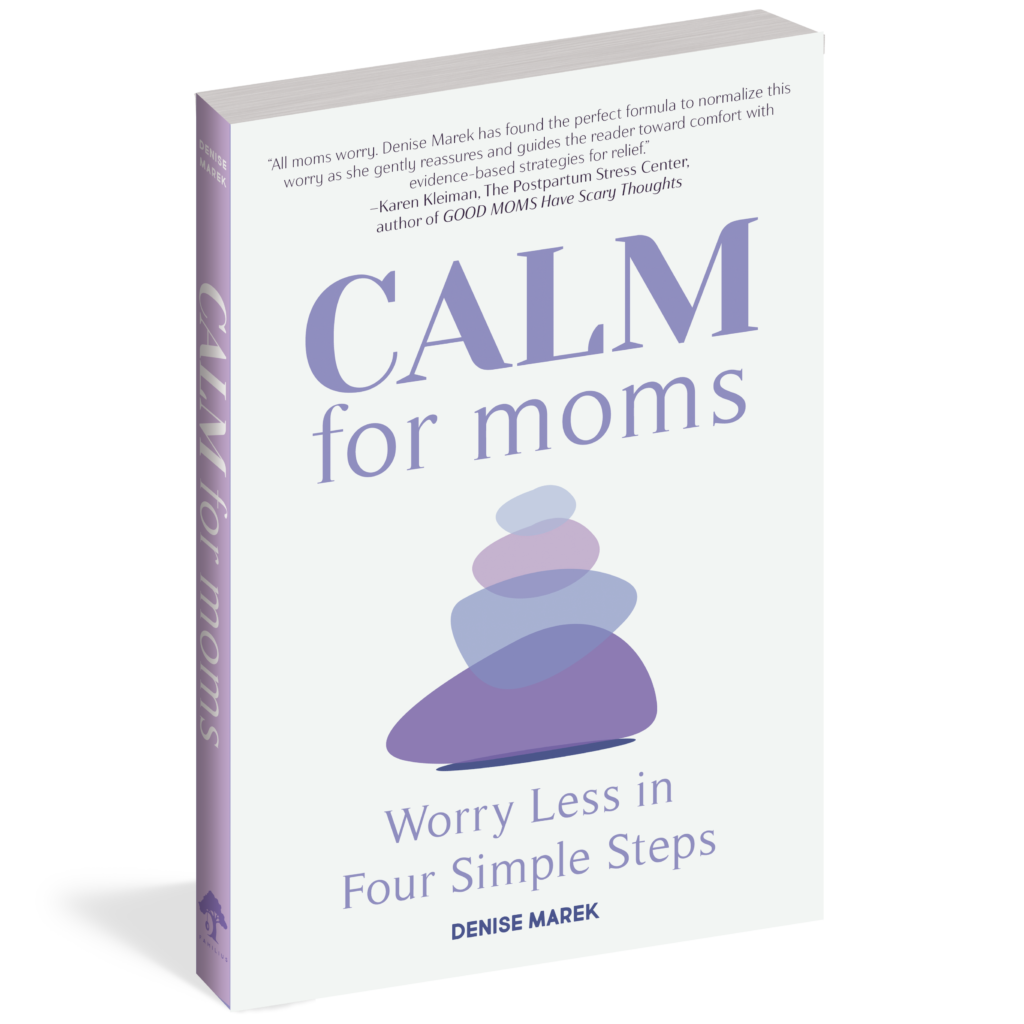
CALM for Moms
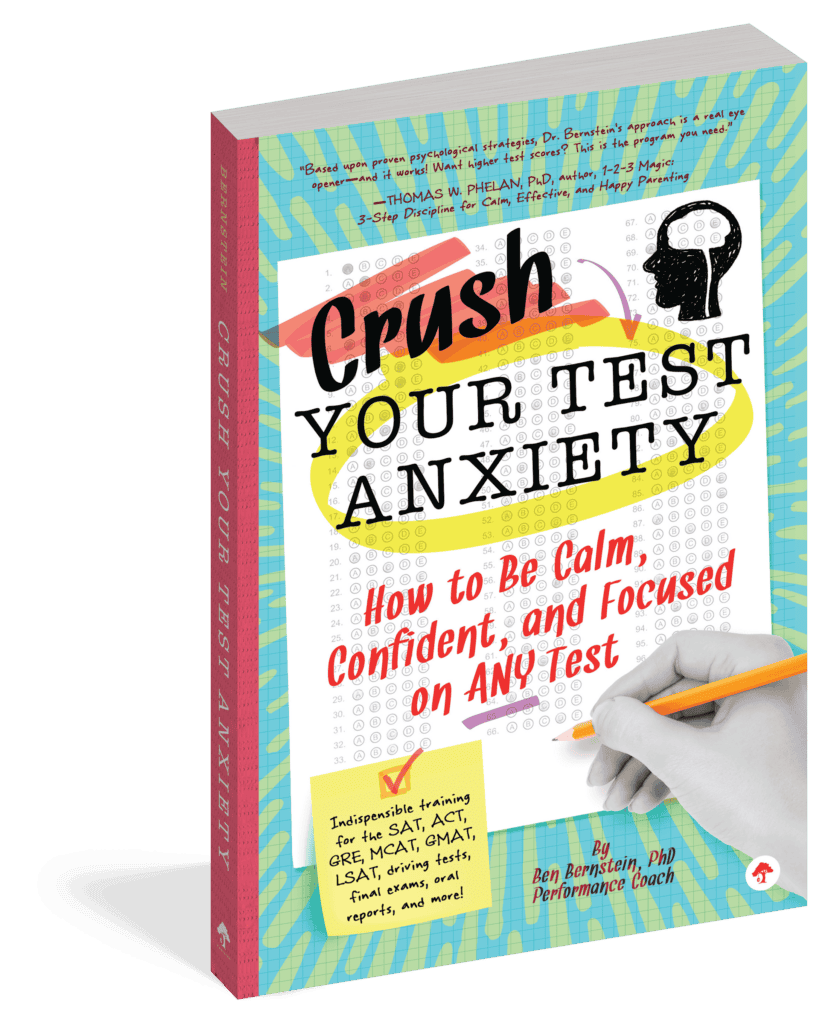
Crush Your Test Anxiety
Shaelyn Topolovec earned a BA in Editing and Publishing from BYU, worked on several online publications, and joined the Familius family. Shae is currently an editor and copywriter who lives in California’s Central Valley.