


Whether you color inside or outside the lines, coloring has a huge impact on your mental health. Here’s how you can use this therapeutic tool for happiness.
Coloring isn’t just for kids anymore! While we often associate coloring books with childhood, they’ve found a significant place in the adult world as well. In fact, coloring has become a popular way for grown-ups to unwind, destress, and even boost their mental health.
The Mental Health Benefits of Coloring
Coloring offers a multitude of mental health benefits that can help you lead a happier, more relaxed life. Here are a few key advantages:
- Stress Reduction: Coloring can help lower stress levels by allowing you to focus on a simple, repetitive task. This focus can create a meditative state, helping you forget about your worries and anxieties.
- Improved Concentration: Engaging in coloring can enhance your concentration and attention to detail. This can be especially beneficial if you find it hard to focus on tasks or have a busy mind.
- Enhanced Creativity: Coloring allows you to tap into your creative side. You can experiment with colors, patterns, and designs, which can boost your overall creativity and problem-solving skills.
- Mindfulness: Coloring encourages mindfulness, which is the practice of being present in the moment. By concentrating on the act of coloring, you can practice mindfulness and reduce negative thoughts.
- Therapeutic Effects: For some, coloring can have therapeutic effects similar to those of art therapy. It can provide a sense of accomplishment and control, which can be particularly comforting during stressful times.
How to Use Coloring as a Mental Health Tool
Now that we know the benefits, let’s explore how you can use coloring to improve your mental health. Here are some tips to get you started:
1. Choose the Right Tools
It seems silly, but it’s important to start by selecting coloring tools that you enjoy using. This could be colored pencils, markers, gel pens, or even crayons. The key is to find tools that feel comfortable and satisfying to use. And don’t forget to pick up a coloring book or print out some coloring pages that appeal to you. There are countless options available, from intricate mandalas to whimsical nature scenes.
2. Set the Mood
Create a relaxing environment to color in. Find a quiet, comfortable space where you won’t be disturbed. You might want to play some soothing music or light a scented candle to enhance the calming atmosphere. Or if you really enjoy being in crowded places, settle down in a library or train station and let the inspiration come to you. The goal is to make coloring an enjoyable experience, however that looks for you.
3. Start with Simple Designs
If you’re new to coloring, start with simpler designs before moving on to more complex ones. Simple patterns can be less overwhelming and allow you to ease into the activity. As you become more comfortable, you can gradually tackle more detailed and intricate designs.
4. Color Inside and Outside the Lines
There’s no right or wrong way to color. Some people find it relaxing to color within the lines, enjoying the precision and order it brings. Others prefer to color outside the lines, embracing a more free-form and expressive approach. Experiment with both methods to see which one suits you best—or switch between the two depending on your mood.
5. Make It a Routine
Incorporate coloring into your daily or weekly routine. Even just ten–fifteen minutes a day can make a difference in your stress levels and overall well-being. Treat it as a mini mental health break, a time to disconnect from screens and daily stresses.
6. Share the Experience
Coloring doesn’t have to be a solitary activity. Consider sharing the experience with friends or family members. You can have a coloring night, where everyone brings their favorite coloring books and tools. It’s a fun and relaxing way to spend time together and connect with loved ones.
7. Combine Coloring with Other Relaxing Activities
Pair coloring with other relaxing activities to maximize its benefits. For example, you can color while listening to an audiobook, sipping on herbal tea, or even while taking a relaxing bath (just be careful with the water!). Combining activities can create a more immersive and enjoyable experience.
8. Use Coloring as a Reflection Tool
Use your coloring time as an opportunity for reflection. Think about your day, your goals, or simply let your mind wander. Coloring can be a meditative practice that allows you to process thoughts and emotions in a non-judgmental way.
Embrace the Joy of Coloring
Coloring as a mental health tool is all about finding joy and relaxation in a simple activity. It’s a reminder that sometimes, the best ways to care for our mental health are also the simplest. Whether you prefer to color inside the lines or let your creativity run wild, there’s no right or wrong way to do it. The key is to make it a regular part of your self-care routine and to enjoy the process.
So, the next time you’re feeling stressed or overwhelmed, reach for your coloring tools and let yourself be transported back to a simpler time. Embrace the soothing rhythm of coloring, and watch as your worries melt away, one colorful stroke at a time.
Unlock Your Creativity with These Books
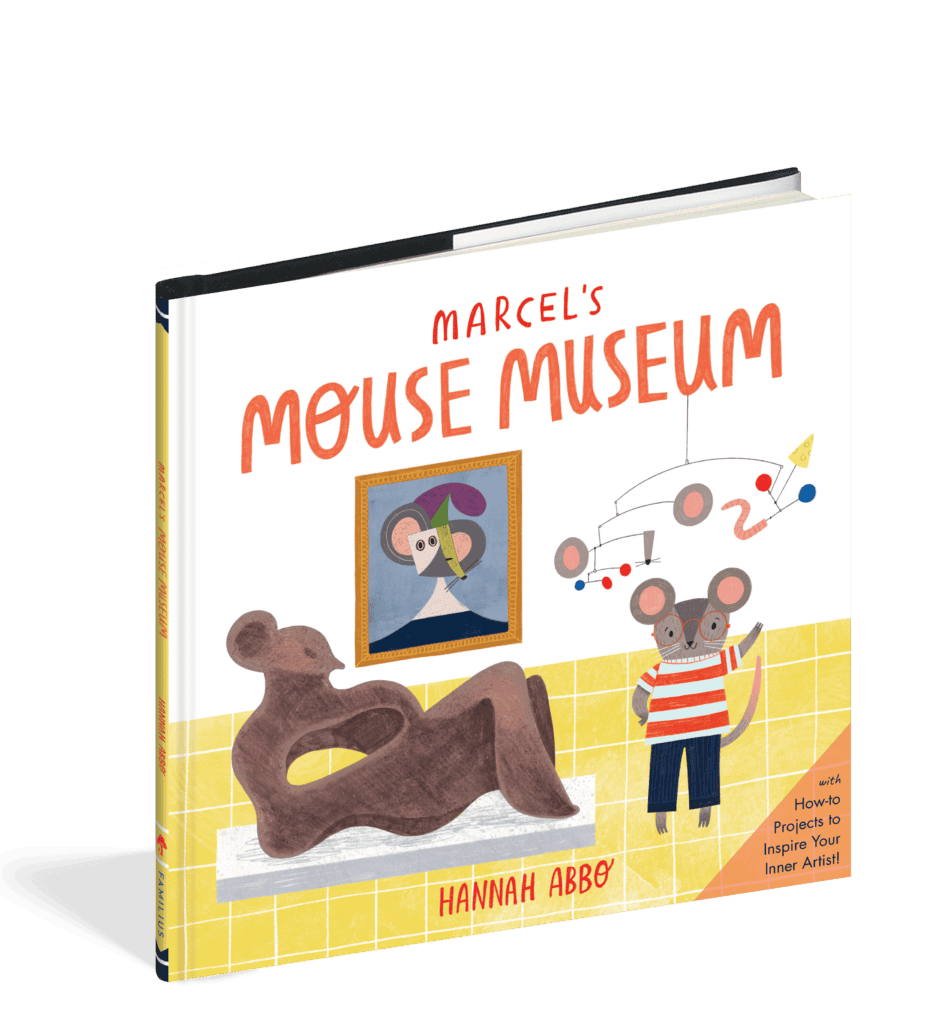
Marcel’s Mouse Museum

Called to Be Creative

Fairy House
Shaelyn Topolovec earned a BA in Editing and Publishing from BYU, worked on several online publications, and joined the Familius family. Shae is currently an editor and copywriter who lives in California’s Central Valley.