

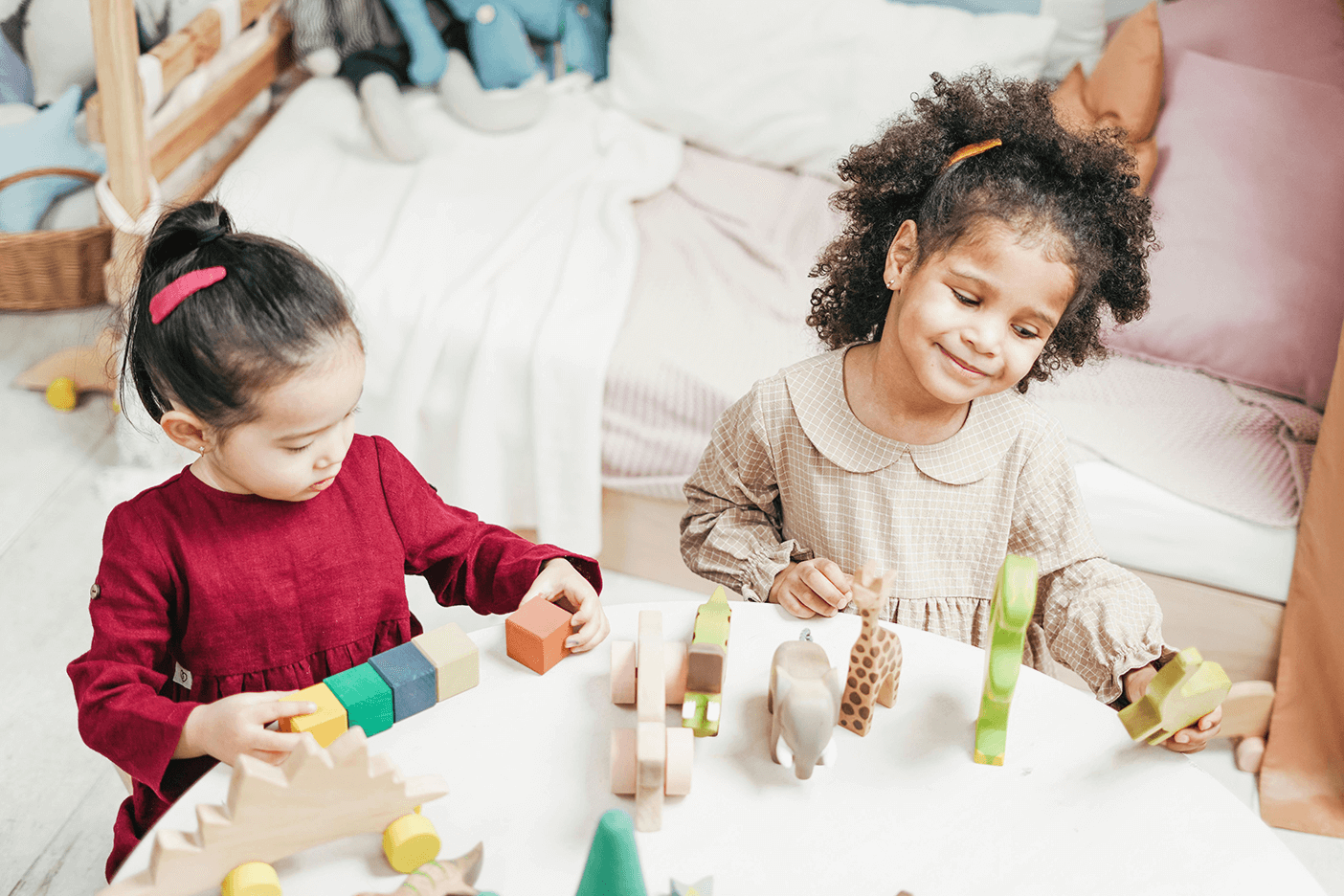
Does playtime sometimes feel like a war zone? Keep the peace during playtime with these mediation strategies.
Playtime is a cherished part of childhood, a time for kids to explore, create, and most importantly, have fun. However, it’s not all sunshine and rainbows. Conflicts can arise, friendships can be tested, and arguments can erupt faster than you can say “time-out.” So how do you keep the peace during playtime? Here’s a quick guide to help parents, caregivers, and teachers ensure that playtime remains a happy and harmonious experience for all.
Encourage Inclusive Play
One of the best ways to prevent fights and promote positive interactions is to encourage inclusive play. Kids can sometimes be unintentionally exclusive, so it’s important to guide them toward activities that everyone can enjoy.
- Group Games: Suggest games that require multiple participants, like tag, hide and seek, or team sports. These games naturally bring kids together and can help build a sense of camaraderie.
- Collaborative Projects: Activities like building a fort, creating a large drawing, or putting on a play can also be great for fostering teamwork and cooperation.
- Mix it Up: Encourage kids to play with different peers. Rotating play partners can prevent cliques from forming and ensure that no one feels left out.
Set Clear Expectations
Kids thrive on structure, and knowing the rules can help prevent many disputes.
- Establish Ground Rules: Before playtime begins, remind kids of the basic rules, like sharing, taking turns, and using kind words. Keep the rules simple and consistent.
- Discuss Consequences: Let kids know what will happen if the rules are broken. Whether it’s a brief time-out or losing a turn, having clear consequences can help deter negative behavior.
- Model Positive Behavior: Kids learn a lot from watching adults. Show them how to resolve conflicts calmly and respectfully by setting a good example.
Promote Empathy and Understanding
Teaching kids to understand and respect each other’s feelings is key to preventing fights and fostering strong friendships.
- Role-Playing: Use role-playing to help kids understand different perspectives. For example, if a conflict arises, you could act out the scenario and show how different reactions can impact the outcome.
- Read Together: Books are a fantastic way to teach empathy. Stories about friendship, kindness, and resolving conflicts can provide valuable lessons in a fun and engaging way.
- Praise Positive Behavior: When you see kids being kind, sharing, or resolving conflicts on their own, make sure to praise them. Positive reinforcement can go a long way in encouraging good behavior.
Be a Mediator, Not a Judge
When conflicts do arise, it’s important to step in and help mediate without taking sides.
- Stay Calm: Your reaction can influence how the kids respond. Stay calm and composed to set a positive tone for conflict resolution.
- Listen to Both Sides: Give each child a chance to explain their perspective. This not only helps them feel heard but also teaches them to listen to others.
- Find a Solution Together: Instead of imposing a solution, guide the kids in finding a resolution that works for everyone. This can involve compromises, apologies, or simply agreeing to disagree.
Create a Peaceful Environment
Sometimes, the play environment itself can influence behavior. Creating a peaceful, welcoming space can help keep the mood positive.
- Organized Play Areas: An organized space with clearly defined play zones can reduce chaos and prevent disputes over toys and space.
- Quiet Time: Incorporate some quiet activities into playtime, such as puzzles, reading, or drawing. These activities can provide a much-needed break from high-energy play and help prevent overstimulation.
- Mindfulness Activities: Simple mindfulness exercises, like deep breathing or yoga for kids, can help them manage their emotions and stay calm.
Teach Conflict Resolution Skills
Equip kids with the skills they need to resolve conflicts on their own.
- Use “I” Statements: Teach kids to express their feelings using “I” statements. For example, “I feel sad when you take my toy” is more effective than “You’re mean!”
- Problem-Solving Steps: Introduce a simple problem-solving framework, such as identifying the problem, brainstorming solutions, and agreeing on a solution. Practice this with the kids so they become comfortable using it.
- Time-Out for Reflection: Sometimes, a brief time-out can help kids cool down and reflect on their actions. Make sure it’s seen as a time for calming down rather than a punishment.
Celebrate Teamwork and Friendship
Finally, celebrate the moments when kids play well together and demonstrate good friendship.
- Team-Building Activities: Plan activities that emphasize teamwork and cooperation, such as scavenger hunts, building projects, or group games.
- Friendship Awards: Create fun awards for acts of kindness, sharing, or being a good friend. This can motivate kids to continue positive behaviors.
- Reflect on the Day: At the end of playtime, take a few minutes to reflect on the day. Discuss what went well and what could be improved, and praise the kids for their efforts to play nicely together.
Teaching Kids How to Be Mediators
Keeping the peace during playtime is no small feat, but with a little patience, creativity, and guidance, it’s definitely achievable. With these strategies, you can help kids navigate the ups and downs of playtime with grace and kindness.
Remember, the goal isn’t to eliminate conflicts entirely—after all, they’re a natural part of life—but to equip kids with the tools they need to handle them constructively. And who knows? You might just learn a thing or two about conflict resolution yourself along the way.
Books That Help Kids Get Along

Want a Hug?

My Name Is Cool

BFF or NRF (Not Really Friends)
Shaelyn Topolovec earned a BA in Editing and Publishing from BYU, worked on several online publications, and joined the Familius family. Shae is currently an editor and copywriter who lives in California’s Central Valley.