

Discover how family hobbies help you heal, connect, and grow closer with simple, practical activities that fit real life.
Life gets busy. Between school, work, practices, dishes, and that mysterious pile of laundry that never goes away, it can feel hard to find time to really be together. Not just in the same room, but actually connecting, laughing, and feeling like a team.
That’s where family hobbies come in. The right shared activities can lower stress, build trust, improve communication, and create positive memories that carry families through tough seasons. And the best part? You don’t need fancy equipment, big budgets, or perfect schedules to make it work.
Let’s look at why family hobbies matter, which ones are especially powerful for healing and connection, and how to make them stick in real, everyday family life.
Why Family Hobbies Matter More Than We Realize
Research consistently shows that families who spend positive time together experience stronger emotional bonds, better communication, and greater resilience during stressful events. Shared activities release feel‑good chemicals like oxytocin (the bonding hormone) and dopamine (the motivation and reward chemical), which helps everyone associate family time with comfort and joy.
Family hobbies also
- reduce stress and anxiety by providing predictable, positive routines;
- improve kids’ emotional regulation and social skills;
- help parents and kids talk more openly without pressure;
- create shared identity (“This is what our family does together”);
In other words, hobbies aren’t just something to fill time. They’re relationship builders.
Creative Family Hobbies That Support Healing and Connection
Creative activities are especially powerful for emotional healing because they allow expression without needing perfect words.
1. Art Nights
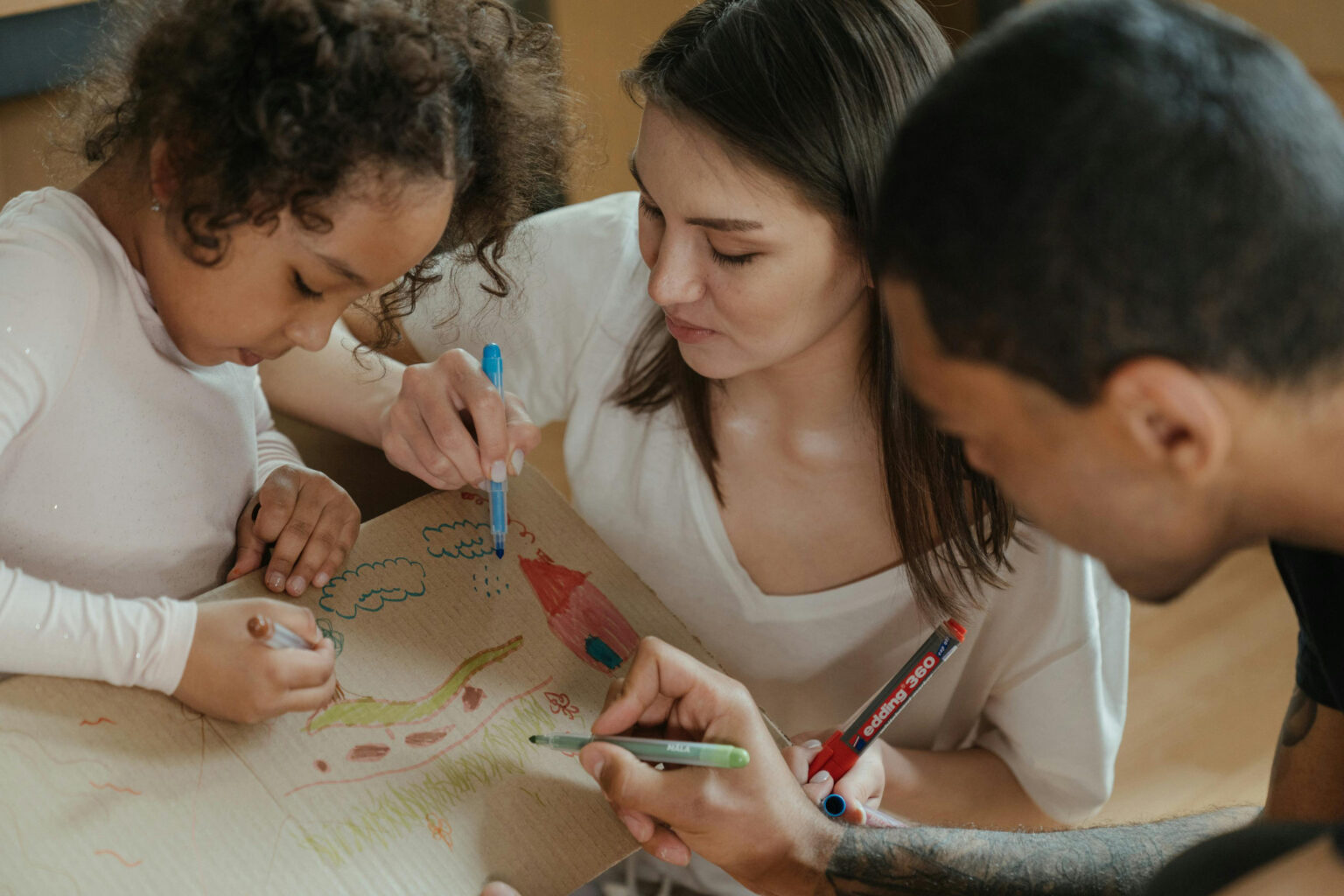
You don’t need to be “good” at art. Grab paper, markers, watercolors, or even sidewalk chalk and just create together.
How It Helps
- Art reduces stress and boosts mood.
- Kids often open up while their hands are busy.
- There’s no right or wrong way to participate.
Practical Tips
- Keep a small art bin ready so setup is easy.
- Try simple prompts like “Draw your favorite family memory” or “Create a silly monster.”
- Display everyone’s art to show it matters.
2. Music and Dance Sessions
Put on a playlist and have a living room dance party or try learning simple songs together.
How It Helps
- Movement releases tension.
- Music improves mood and emotional connection.
- Shared silliness builds trust.
Practical Tips
- Let each family member pick one song.
- Try themed nights (movie soundtracks, throwback hits, cultural music).
- Keep it short and fun so it feels doable.
Outdoor Family Hobbies That Improve Mental Health
Time in nature has proven mental health benefits for both kids and adults. When families get outside together, those benefits multiply.
3. Family Walks and Mini Adventures
You don’t have to go on epic hikes. Even a 20‑minute walk around the neighborhood counts.
How It Helps
- Walking side‑by‑side makes conversations feel easier.
- Sunlight and fresh air reduce stress hormones.
- Physical activity improves sleep and mood.
Practical Tips
- Add small goals like finding three cool leaves or spotting birds.
- Bring hot chocolate on colder days.
- Let kids take turns choosing the route.
4. Gardening Together
Growing something as a family is surprisingly powerful, and it’s quality time spent together with a heartfelt purpose.
How It Helps
- Nurturing plants builds patience and responsibility.
- Gardening reduces anxiety and boosts mood.
- Kids feel proud contributing to family success.
Practical Tips
- Start small with herbs or container plants.
- Give each child their own plant to care for.
- Celebrate harvests with simple family meals.
Games and Puzzles as Family Hobbies
Games may seem simple, but they’re some of the most effective family hobbies for building emotional connection.
5. Board Game Nights
Choose cooperative or lighthearted competitive games depending on your family dynamic.
How It Helps
- Board games encourage communication and teamwork.
- Following game rules teaches patience and problem‑solving.
- Lighthearted play creates shared laughter and inside jokes.
Practical Tips
- Keep games short for younger kids.
- Rotate who chooses the game.
- End on a positive note, even if the game isn’t finished.
6. Family Puzzle Projects
Work on a puzzle over several days, adding pieces whenever you have time together. It can be just five minutes a day or in passing; nobody says you have to solve all 1,000 pieces in one sitting!
How It Helps
- Solving a puzzle together promotes cooperation without pressure.
- It gives a shared goal.
- The quiet thinking time invites casual conversation
Practical Tips
- Keep puzzle pieces on a table or board that can be moved.
- Choose images everyone enjoys.
- Celebrate completion with a photo or treat.
Family Hobbies That Build Purpose and Compassion
Hobbies that involve helping others or working toward a meaningful goal can be especially healing.
7. Volunteering Together
Volunteering can be as simple as making cards for nursing homes or helping a neighbor.
How It Helps
- Service builds empathy and gratitude.
- It strengthens family values.
- Kind acts help kids feel capable and compassionate.
Practical Tips
- Choose age‑appropriate activities.
- Talk about how your actions help others.
- Keep it occasional so it doesn’t feel overwhelming.
8. Family Projects
Although “family projects” can mean a lot of things, having a project you’re working on as a family can be a great way to de-stress. You can build something, redecorate a room, or even plan a small family event together.
How It Helps
- Family projects encourage collaboration by nature.
- Creating and executing a plan builds confidence and communication.
- Having a tangible, useful outcome gives a sense of accomplishment
Practical Tips
- Assign roles based on strengths.
- Focus on effort, not perfection.
- Reflect afterward on what worked well.
When Family Hobbies Help During Hard Seasons
Families go through tough seasons: illness, moves, grief, school struggles, or major changes. During these times, connection can feel harder—but also more important.
Family hobbies provide
- safe ways to be together without forcing heavy conversations,
- predictable routines when everything else feels uncertain, and
- moments of joy that remind everyone they’re not alone.
Even small habits, like reading together before bed or cooking one meal a week as a team, can become emotional anchors.
Practical Advice for Keeping Hobbies Alive During Tough Seasons
- Lower expectations. Consistency matters more than length or complexity.
- Choose calming, low‑pressure activities.
- Let participation be flexible—being nearby still counts.
How to Choose the Right Family Hobbies
Not every hobby works for every family, and that’s okay. The goal isn’t perfection—it’s connection.
Ask yourselves:
- Do we all tolerate this activity, even if we don’t all love it?
- Does it fit our schedule and energy levels?
- Does it encourage interaction, not just side‑by‑side screen time?
Try starting with one shared hobby and building from there.
Making Family Hobbies Actually Happen
Let’s be honest: knowing what helps and actually doing it are two different things. Here’s how to make family hobbies stick:
Keep It Simple
If it takes too much planning, it won’t happen, so you should
- store supplies where they’re easy to grab,
- choose activities that work in short time blocks, and
- skip complicated prep.
Put It on the Calendar
Treat hobbies like important appointments.
- Pick one regular time each week or month.
- Protect that time when possible.
- Keep it flexible, not rigid.
Let Kids Have Input
Kids are more invested when they help choose, so you should involve them whenever and wherever you can.
- Rotate who picks the activity.
- Try new ideas occasionally.
- Respect different personalities.
Focus on Togetherness, Not Talent
The goal is not to raise experts. It’s to build relationships.
- Laugh at mistakes.
- Celebrate effort.
- Avoid turning hobbies into competitions.
Small Moments Add Up
It’s easy to think healing and connection require big family trips or major lifestyle changes. In reality, it’s the regular, small moments that matter most.
Family hobbies don’t need to be perfect, impressive, or Instagram‑worthy. They just need to be shared.
When families create space to laugh, learn, move, and create together, they build emotional safety and trust that lasts far beyond the activity itself.
And in a world that pulls everyone in different directions, choosing to come back together—again and again—is a powerful act of love.
So pick one hobby. Keep it simple. Show up imperfectly. And let those small shared moments do the quiet, important work of helping your family heal and connect.
Start Your Family Hobbies Here

Chalk the Walk
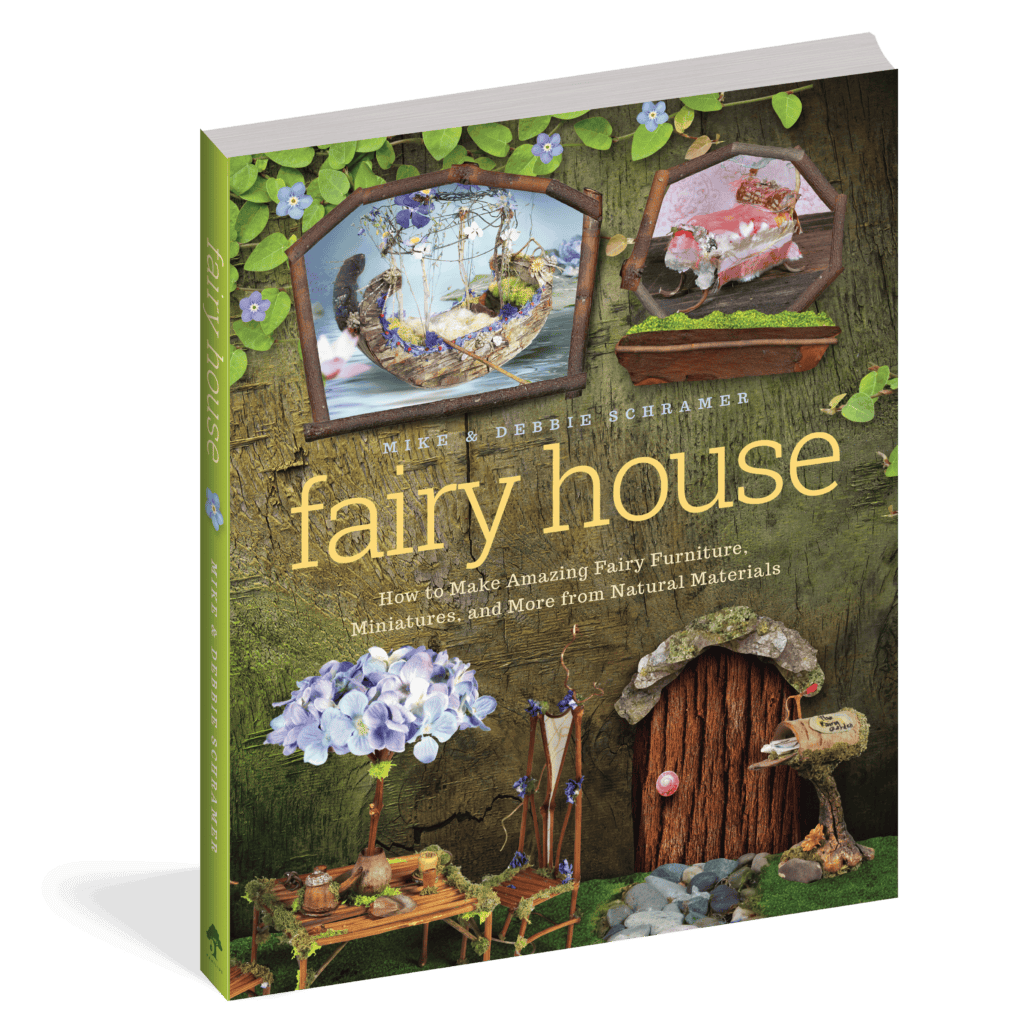
Fairy House

Big Book of Family Games
Shaelyn Topolovec earned a BA in Editing and Publishing from BYU, worked on several online publications, and joined the Familius family. Shae is currently an editor and copywriter who lives in California’s Central Valley.