


Help your child dream big and get creative with these seven easy steps to writing and illustrating their very own story!
Have you ever watched a child tell a story with their hands flying, voices changing, and imaginary characters zooming through the air? Kids are natural storytellers! They just need the tools, encouragement, and a splash of glittery imagination to bring those ideas to life. Whether it’s about a brave bunny astronaut or a magical taco truck, helping your child write and illustrate their own story can be one of the most joyful (and secretly educational) things you do together.
Why Writing and Creating Their Own Story Matters
Before we grab the markers and staplers, let’s talk about why this project is such a great idea. When kids write and illustrate their own story, they’re not just having fun—they’re,
- Practicing literacy: Writing builds vocabulary, grammar, and reading comprehension.
- Flexing creativity: They get to invent worlds, characters, and wild plots!
- Strengthening confidence: “I made this!” is a powerful phrase.
- Processing emotions: Stories often reflect inner thoughts, dreams, or worries.
- Problem-solving: Every story needs a conflict and a resolution. Hello, critical thinking!
Basically, storytelling is like a superhero training program in disguise.
1. Brainstorming the Big Idea
Start with the most magical part—the idea.
Ask your child:
- What kind of story do you want to tell?
- Who’s the main character? (A dragon? A talking toaster? You?)
- Where does the story happen?
- What goes wrong, and how is it fixed?
You can use a simple graphic organizer or draw it out together. Encourage them to keep it short and sweet—especially if this is their first book. A beginning, middle, and end is all you need to start.
Tip: If they get stuck, use prompts like “Once upon a slime…” or “If I were a superhero, I’d…” to get their imagination flowing.
2. Planning the Plot
Now that the idea is clear, break it down into parts. Think of the story as a mini movie with scenes.
A simple structure:
- Introduce the character and setting.
- Something changes (uh-oh!).
- The character tries to fix it.
- Things get worse (oh no!).
- Solution and happy ending (or a twist!).
Kids can plan this with sticky notes or by drawing five boxes and sketching out what happens in each one. This step helps them think through the sequence and stay on track.
Tip: Keep the story age-appropriate and doable. A story with a single event is perfect for younger writers.
3. Writing Their Own Story
Time to turn ideas into words!
You can help your child write it out, or they can dictate while you scribe (especially great for younger kids). Some might want to type on a computer, while others may prefer good old-fashioned pencil and paper.
Encourage them to:
- Use their own voice—it doesn’t have to sound “perfect.”
- Add fun dialogue or silly sound effects (KABOOM!).
- Keep sentences short and expressive.
Remind them that this is their story. Spelling can be fixed later—right now, it’s all about getting the ideas down.
Tip: Create a special writing space with snacks, music, or even costumes to match the story theme!
4. Illustrating the Magic
Here’s where crayons, markers, and paint come in! Illustrations don’t need to be fancy—stick figures can be just as expressive.
Encourage your child to:
- Think about what’s happening on each page.
- Use colors and facial expressions to show emotion.
- Add fun background details (a cupcake sky, anyone?).
You can use printer paper, index cards, or even fold a few pages together into a mini-book. Let them experiment with collage, watercolor, or digital drawing apps if they’re feeling adventurous.
Tip: If they love drawing, let them start with the illustrations first and write the words afterward!
5. Assembling the Book
Now it’s time to put it all together. There are a few fun ways to do this:
- Staple it: Fold the pages and staple them on the spine.
- Bind with string or ribbon: Punch holes and tie them up like a real book.
- Use a binder or folder: Great for longer stories or collections.
- Create a digital book: Use apps like Book Creator or Canva for a digital version.
Don’t forget the finishing touches:
- A title page
- Author and illustrator names (that’s them!)
- A dedication page (“For Mom, who makes the best pancakes”)
- Even a fake “About the Author” page with a silly photo!
Tip: Print a “review” quote from a family member—“I couldn’t put it down!” – Grandma.
6. Sharing the Story
Once the masterpiece is done, celebrate it! A few ideas:
- Storytime premiere: Let them read it aloud at dinner or over video call with relatives.
- Create a bookshelf: Display their books like a mini library.
- Give it as a gift: Wrap it up and surprise a loved one.
- Make a story wall: Post the pages up like an art gallery.
Let them see that their work matters, and that their own story is worth sharing.
Tip: Make it a tradition—“Author Day” once a month where they get to create a new tale.
Bonus: Helpful Tips to Keep the Creativity Flowing
- Praise the process: Focus on effort, not perfect grammar.
- Let them be weird: Unicorns in space? Sure! Giant pickles? Why not!
- Write together: Create a co-authored story where you each write one page.
- Keep supplies handy: A storytelling kit with markers, paper, and stickers can be a lifesaver on rainy days.
- Encourage storytelling anywhere: During walks, car rides, or bedtime, ask, “What happens next?”
The more storytelling feels like play, the more your child will love it.
Turning Storytelling into a Family Tradition
Helping your child create their own story isn’t just about writing—it’s about listening, laughing, and learning together. It’s about slowing down for a few hours and letting their imagination take the wheel. You’ll get to know their world in a new way, and they’ll get to see how powerful their words—and drawings—can be.
And who knows? That silly pirate-penguin saga might just be the start of a lifelong love of storytelling.
Inspire Storytelling and a Love for Books with These Fun Reads

Book
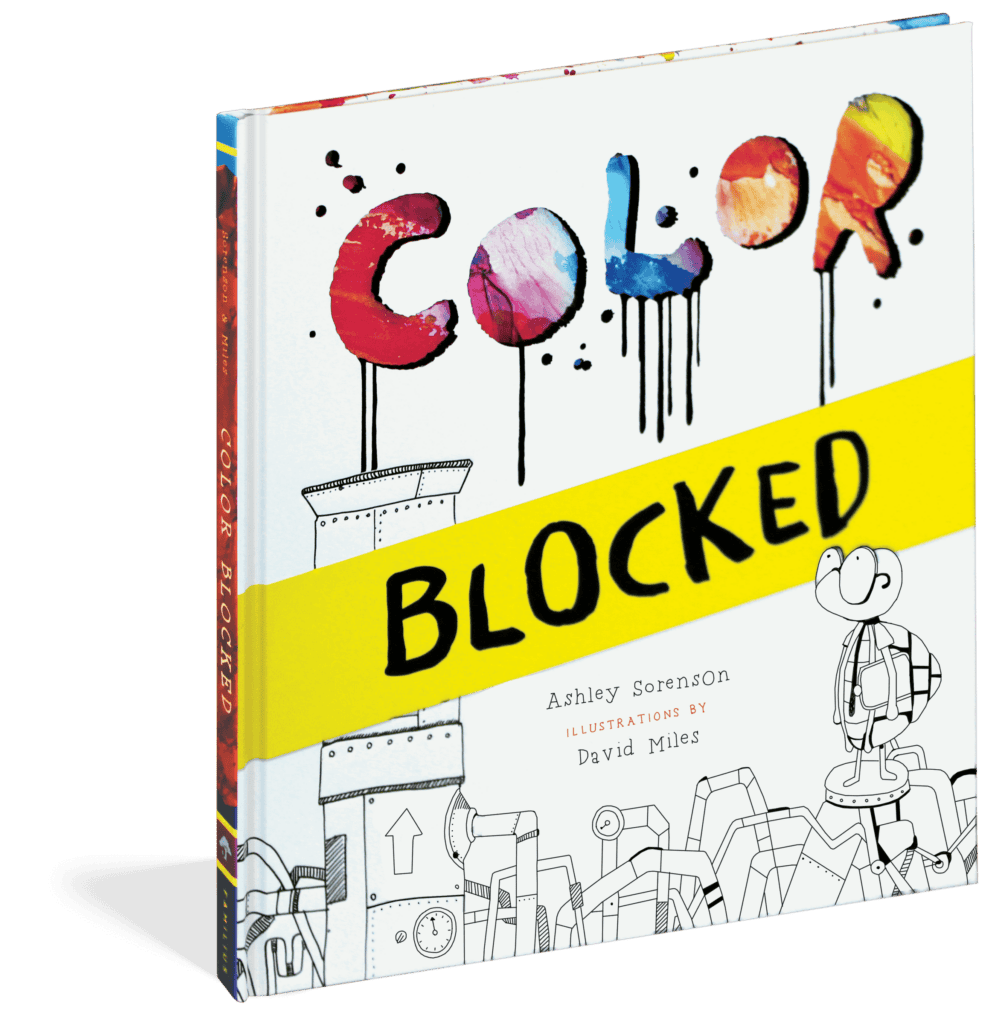
Color Blocked

Tell Me a Story in the Dark
Shaelyn Topolovec earned a BA in Editing and Publishing from BYU, worked on several online publications, and joined the Familius family. Shae is currently an editor and copywriter who lives in California’s Central Valley.