

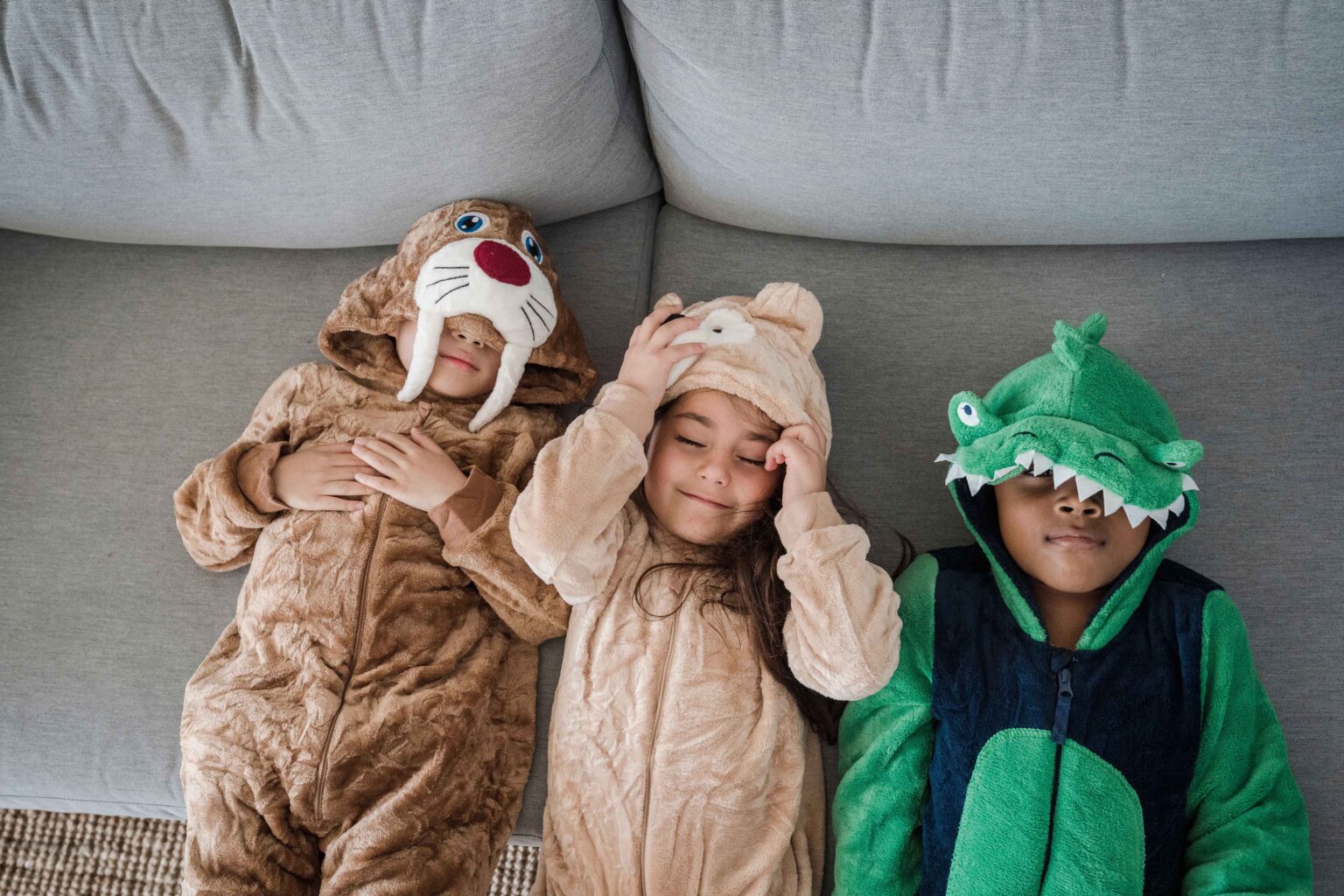
Help sensitive kids overcome Halloween fear with seven sensory friendly tips designed to prevent sensory overload and keep trick-or-treating fun.
Halloween is often framed as the ultimate holiday for childhood fun—costumes, candy, late-night neighborhood walks, and festive excitement. But for young children, especially those sensitive to loud noises, scratchy fabrics, or unpredictable sights, the spooky season can quickly turn overwhelming. What is meant to be a night of playful trick-or-treating can easily trigger sensory overload and deep fears.
Helping young kids navigate these intense reactions can leave adults feeling torn between wanting them to participate in traditional holiday fun and wanting to protect their peace of mind. The good news is that celebrating Halloween doesn’t have to be an all-or-nothing experience. By taking a proactive, low-scare approach, families can honor a child’s emotional baseline while still building joyful autumn memories together.
Here are seven sensory friendly tips to help kids manage fear, prevent overload, and enjoy a gentle, fear-free Halloween.
1. Prioritize Comfort in Costume Choices
It is easy to get caught up in how adorable a Halloween costume looks, but for a child with sensory sensitivities, texture, fit, and movement are everything. Stiff fabrics, tight masks, tags, itchy seams, and bulky accessories can cause physical discomfort long before setting foot out the front door.
To keep costumes low-stress:
- Choose soft, familiar clothing: Base the costume around comfy items the child already loves wearing, such as cotton pajamas, sweatpants, or a soft hoodie.
- Do a test run: Let the child wear the costume around the house for short periods a week or two before Halloween. This helps them adjust to how it feels and gives time to make any necessary modifications.
- Skip face masks and face paint: Masks restrict peripheral vision and breathing, which can heighten feelings of claustrophobia and anxiety. Face paint can feel sticky, tight, or cold on sensitive skin. Instead, opt for simple waist-up costumes or fun thematic hats.
When a child feels physically comfortable in what they are wearing, their nervous system stays far more grounded.
2. Introduce the Holiday Slowly Through Gentle Exposure
Unpredictability is one of the main drivers of childhood fear. Halloween introduces sudden changes to daily routines—decorations that light up or make sudden sounds, neighbors wearing strange faces, and altered evening schedules.
Building familiarity ahead of time helps demystify the holiday and reduce anxiety:
- Read lighthearted Halloween stories: Focus on books that depict Halloween as friendly, gentle, and fun rather than scary or mysterious.
- Explore costumes during daytime play: Keep costume pieces in a dress-up bin during normal playtime so kids can practice taking them on and off in a safe, familiar environment.
- Take daytime walk-throughs: Walk through the neighborhood during daylight hours to look at decorations together. Talk about how the decorations are plastic, paper, or blow-up toys made to look pretend.
By normalizing the visual elements of the holiday slowly, kids can process new sensory input at a manageable pace.
3. Practice Trick-or-Treating at Home First
Rehearsing the steps of trick-or-treating takes away the unknown and builds confidence. Role-playing allows children to practice social interactions, speech, and physical movements in a low-stakes environment.
Set up a mini practice run inside the home:
- Have family members stand behind different bedroom or closet doors with a basket of treat options.
- Help the child practice knocking on the door, saying “Trick or treat!” (or using a communication device/sign language), placing treats in their bag, and saying “Thank you.”
- Practice what to do if a door opens unexpectedly or if someone makes a sudden noise.
Roleplay transforms a potentially overwhelming public ritual into a predictable, fun game. When Halloween night arrives, the routine feels familiar rather than frightening.
4. Map Out a Low-Scare Route
Neighborhoods vary wildly on Halloween. Some houses feature dramatic sound effects, flashing strobe lights, and jump scares, while others keep things simple with a lit porch lamp and a friendly wave.
Before heading out on Halloween evening:
- Scout the neighborhood in advance: Note which streets have simpler, less intense decorations and wider sidewalks that offer quick exit options.
- Focus on lit, quiet houses: Teach kids that visits are only for houses with a clear, steady porch light on, and skip homes with dark yards, loud soundtracks, or elaborate animatronics.
- Go early: Consider trick-or-treating during the dusk hours before complete darkness sets in. Early evening hours tend to be quieter, with fewer crowds and fewer unexpected scares.
Having a thoughtful, flexible route ensures an easy pivot or smooth trip back home if a child begins to show signs of sensory fatigue.
5. Prepare a Sensory Toolkit for the Walk
Sensory overload often happens when quiet environments suddenly become noisy, bright, or crowded. Bringing supportive tools along on the walk gives kids instant relief when the environment gets too intense.
Consider packing a small bag with sensory supports:
- Noise-dampening headphones: Ear muffs or small headphones can help muffle loud chatter, barking dogs, and sudden spooky sound effects.
- Comfort item: Let the child carry a small, familiar fidget tool, plushie, or comfort object in their pocket or treat bucket.
- Familiar snacks and water: Sensory stress can be heightened by hunger or thirst. Having a familiar drink or snack on hand offers a grounding break amidst the excitement.
- A gentle flashlight or glow stick: Giving a child their own soft light source helps them feel in control of their immediate surroundings in the dark.
Having these tools nearby empowers kids to regulate their sensory input before anxiety turns into a full meltdown.
6. Normalize Alternative Ways to Celebrate
Trick-or-treating door-to-door is only one way to enjoy Halloween. If traditional trick-or-treating feels like too much for a child this year, remember that alternative celebrations are just as valid and memorable.
Consider creating a cozy, low-scare holiday tradition at home:
- Host a family scavenger hunt: Hide wrapped treats or small toys around the living room or backyard with the lights comfortably dim.
- Create a spooky-free movie and snack night: Make festive snacks together and watch gentle, age-appropriate seasonal shows.
- Hand out treats from the porch: Many sensitive children love being on the giving side of Halloween rather than the receiving side. Sitting on a brightly lit porch with a bowl of treats allows them to participate on their own terms, stepping inside whenever they need a break.
Redefining success on a family’s own terms protects a child’s emotional well-being while preserving the joy of the holiday.
7. Tune In to Early Signals and Exit Early
One of the most compassionate things adults can do for a child experiencing sensory overload is to validate their feelings and respond before they reach their breaking point.
Watch for subtle early indicators of overload or anxiety, such as
- increased clinginess or seeking physical touch,
- covering ears or eyes frequently,
- becoming unusually quiet or overly hyperactive, or
- irritability or sudden refusal to walk further.
If these signs appear, offer a quiet pause or gently suggest heading back home. Reassure the child that it is completely okay to stop whenever they feel ready. Ending the evening on a calm, positive note reinforces that their comfort and safety are always the top priority.
Creating Lasting, Gentle Memories
Navigating Halloween with a sensitive child requires flexibility, patience, and empathy. By tuning into a child’s unique sensory needs and lowering the fright factor, caregivers create a safe environment where kids can process new experiences confidently. Whether a family walks down three houses or stays cozy indoors all evening, the connection and care shared are what truly make the season special.
Discover Our Sweet, Fear-Free Halloween Books for Kids

Monster Mix & Match

Hide-and-Seek Monsters

If You’re Scary and You Know It
Shaelyn Topolovec earned a BA in Editing and Publishing from BYU, worked on several online publications, and joined the Familius family. Shae is currently an editor and copywriter who lives in California’s Central Valley.