


Struggling with a reluctant reader? Try these 4 lazy summer reading habits to stop the screen-time battles and keep learning stress-free.
One month into summer vacation, and the initial excitement has worn off. The daily routine has crumbled, screen time is skyrocketing, and every time you suggest picking up a book, you are met with heavy sighs, dramatic eye-rolls, or an outright argument.
You are terrified of the “summer slide,” but you are also completely exhausted by the daily battles. The absolute last thing you want to do on a gorgeous summer afternoon is play the role of a strict drill sergeant brandishing a reading log at a kid who hates reading.
Here is the good news: you don’t have to fight this battle anymore.
For a reluctant reader, the traditional structure of school reading feels like a chore. To break the resistance, we have to change the game. By adopting a few lazy summer reading habits, you can take the pressure off, lower the friction, and sneak literacy into their day without triggering a single fight.
Here are four low-pressure, fight-free habits to weave into your family’s summer routine starting this week.
1. Lower the Stakes by Redefining What Counts as Reading
If your child struggles with reading, the physical act of staring at a wall of text in a heavy chapter book feels incredibly daunting. When a task feels too hard, kids resist. To build lasting reading habits in a reluctant reader, your first step is to drastically expand what counts as a book.
Summer reading isn’t about testing decoding skills; it’s about keeping their brains engaged and proving that stories can actually be fun.
High-Interest, Low-Friction Formats:
- Graphic Novels and Comic Books: Do not look down on graphic novels. They require complex visual literacy, introduce advanced vocabulary, and provide context clues through artwork that help struggling readers succeed. Because they feel fast-paced and breezy, they don’t trigger the usual academic anxiety.
- Audiobooks on the Go: Studies have proven that listening to a story triggers the exact same language-processing and comprehension parts of the brain as reading print text. If you are driving to the pool, the grocery store, or out for a weekend trip, pop in an audiobook. It completely bypasses the frustration of decoding words on a page, allowing your child to just enjoy a great story.
- Niche Materials: Joke books, Guinness World Records, sports magazines, or even the instructional manual for their favorite video game all count. If it has words, it is fair game.
The Shift for Parents: Let go of the desire to see them read “literature.” Meeting them exactly where their interests lie removes the sting of failure and makes reading feel accessible.
2. Swap the Desk for a Low-Pressure Environment
For a reluctant reader, sitting upright at a kitchen table with a book feels exactly like school. If the environment feels clinical, their defensive walls will immediately go up.
One of the easiest ways to cultivate lazy reading habits is to completely transform where reading happens. If you want them to let their guard down, the setup needs to scream comfort and relaxation, not homework.
Easy Setups to Try:
- The No-Rules Fort: On a sweltering afternoon, drag blankets and chairs into the living room and build a massive fort. Throw in every pillow you own, grab flashlights, and make it a cozy sanctuary.
- The Horizontal Read: Give them permission to read while lying flat on their back, hanging upside down off the couch, or lounging on a pool float.
When you change the physical posture of reading from rigid to relaxed, you change the psychological association. You are tricking their brain into realizing that reading can be a form of downtime, not a demand.
3. Use the Sneaky Art of the Family Read-Aloud
There is a common myth that once a kid learns how to read on their own, parents should stop reading to them. But for a reluctant reader, continuing the family read-aloud is your secret weapon.
When you read aloud, you bear the heavy linguistic lifting. Your child gets to experience high-level plots, hilarious characters, and suspense without having to sweat over pronunciation or punctuation. It takes a lonely, frustrating task and turns it into a shared, passive experience.
The Rules of Engagement:
- Keep Hands Busy: Never force a reluctant reader to sit perfectly still and look at the book. Let them build with Legos, play with putty, color, or draw. When their hands are occupied, their anxiety drops, and they can actually process what they are hearing.
- Leave Them Hanging: Read for just ten or fifteen minutes, and stop right at a major cliffhanger. Don’t force them to keep going. Leave them wanting to know what happens next.
- Ham It Up: Choose books with plenty of humor, action, or weird trivia. Use goofy voices. If you are having fun, they will notice.
4. Implement a Household “Screen-Swap” Hour
You cannot expect a reluctant reader to willingly choose a paperback book over the high-octane dopamine hits of video games or tablets. If you frame reading as the punishment for losing screen time, they will only hate it more.
Instead, create a predictable, low-energy daily routine where the entire house shifts gears together. Pick a time when everyone is naturally wiped out—like the sluggish hours right after lunch or an hour before bed. Declare a family screen swap.
All devices go into a central charging basket, and everyone—parents included—spends the hour winding down with print materials.
Why This Works for Reluctant Readers:
- No Isolation: They aren’t being sent away to their room to do “homework” while the rest of the family has fun. Everyone is doing the same thing.
- Parallel Modeling: If they see you relaxing with a magazine, a graphic novel, or a thriller, they realize that reading is a normal adult habit, not just a tool teachers use to grade them.
- Zero Output Required: There are no reading comprehension quizzes, no logs for you to sign, and no summaries to write. They just have to hang out in a quiet space with words.
The Ultimate Benefit: Reframing the Whole Experience
At the Familius, we believe that building healthy habits should bring families closer together, not drive them apart. If you have a reluctant reader, forcing a strict schedule will only cement their belief that reading is the enemy.
So give yourself and your child permission to drop the pressure. By adopting these lazy summer reading habits, you are dismantling the idea that reading is a chore. You are showing them that stories belong to them, too, and that a book can be a place to rest, laugh, and unwind.
Put away the flashcards, hide the reading logs, grab a comic book or an audiobook, and enjoy a peaceful, fight-free summer together.
Start Your Summer of Reading with These Easy Reads
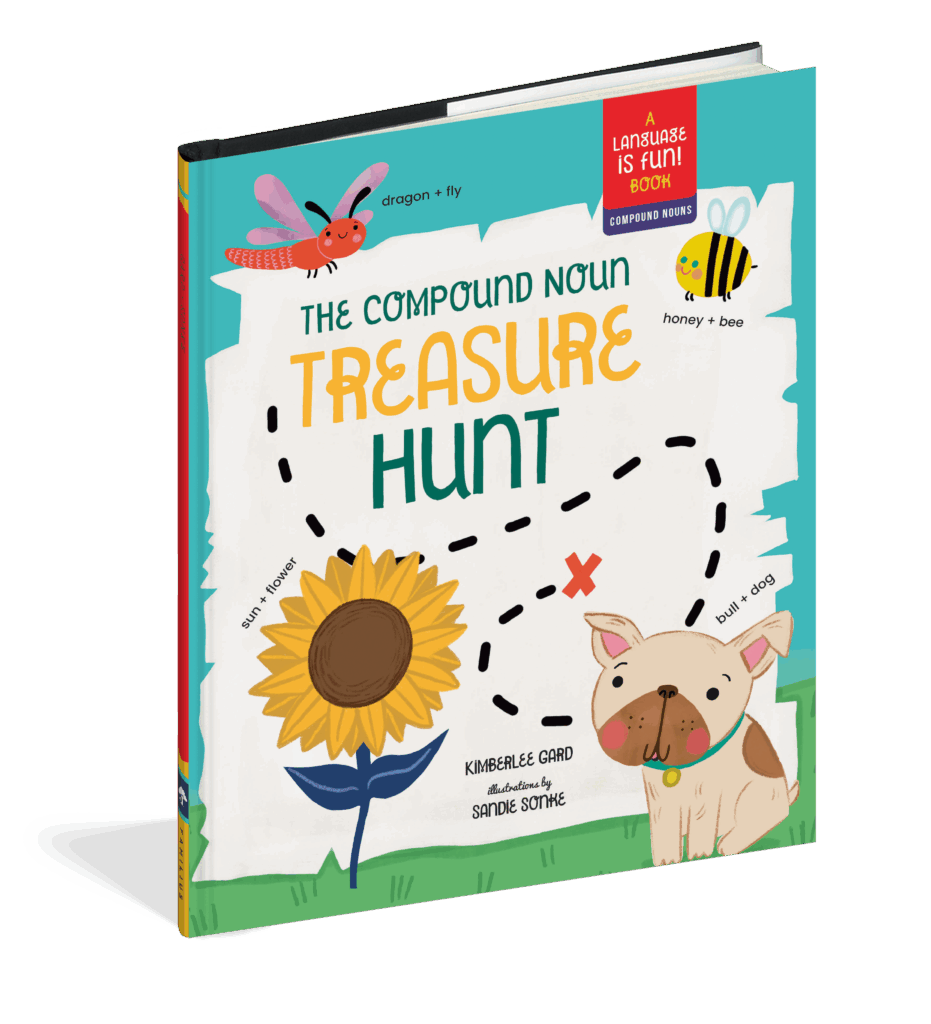
The Compound Noun Treasure Hunt

Marvin’s Monster Diary

Tell Me a Story in the Dark
Shaelyn Topolovec earned a BA in Editing and Publishing from BYU, worked on several online publications, and joined the Familius family. Shae is currently an editor and copywriter who lives in California’s Central Valley.